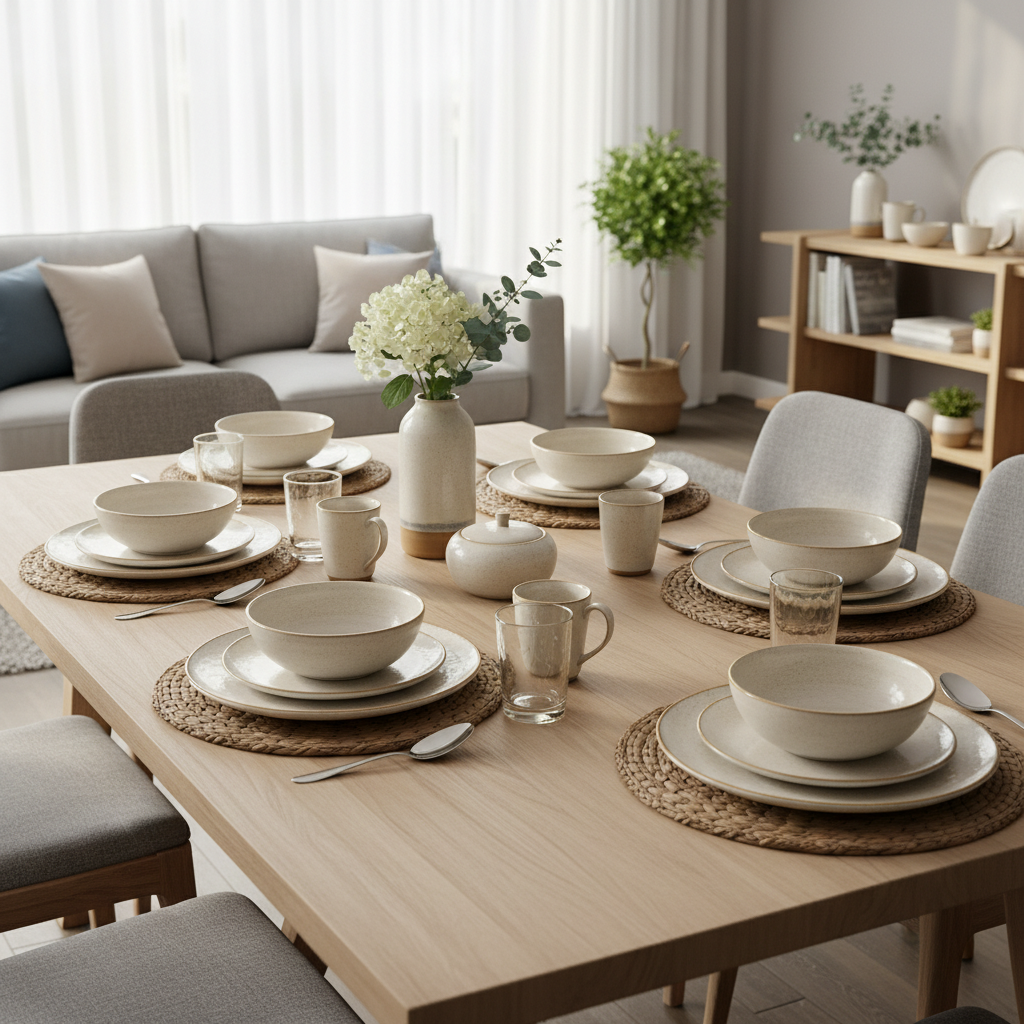
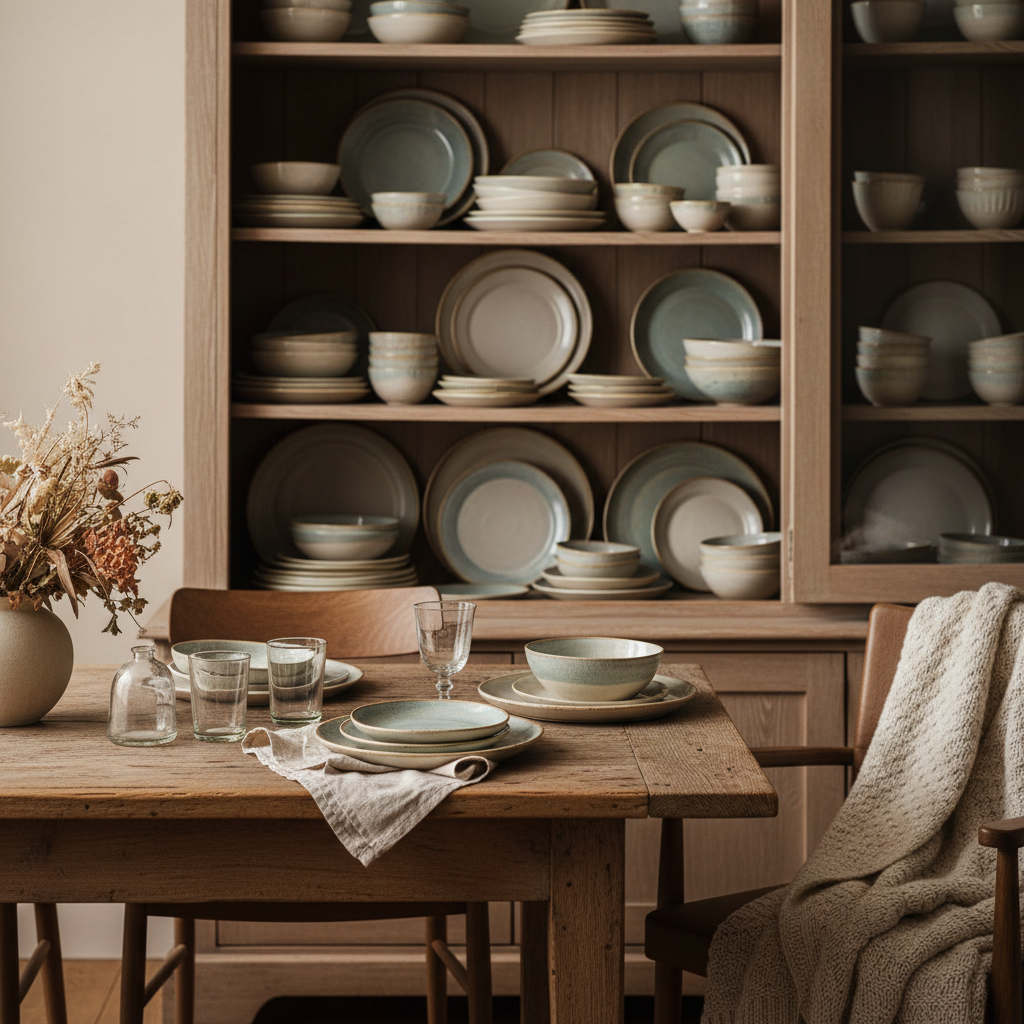
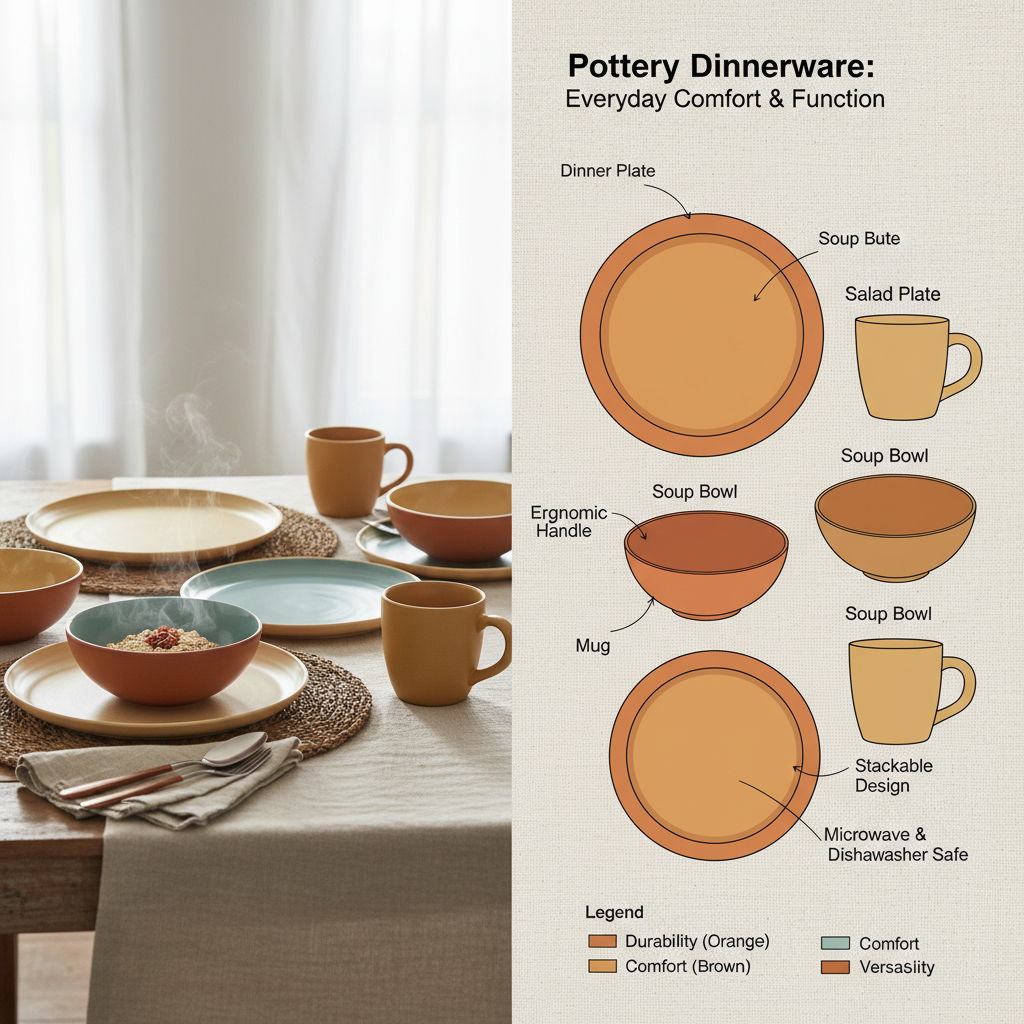
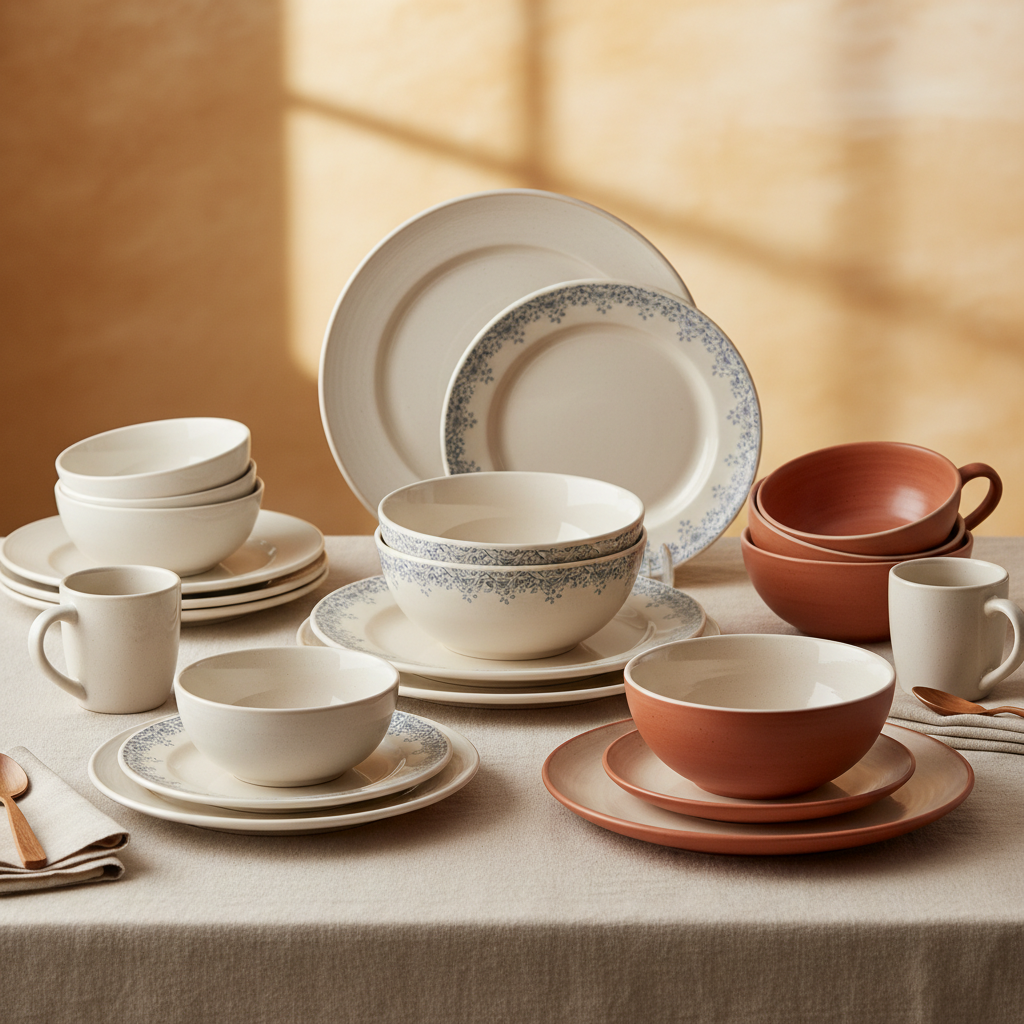
Ceramic crockery dinner sets represent more than just tableware; they are a cornerstone of dining experiences worldwide. From intimate family meals to grand banquets, the aesthetic appeal and functional qualities of ceramic dinnerware significantly contribute to the overall atmosphere. Globally, the demand for ceramic crockery dinner sets is substantial and steadily growing, driven by factors such as increasing disposable incomes, evolving consumer preferences for home dining, and the hospitality industry’s expansion. The quality, design, and durability of these sets are key considerations for both individual consumers and businesses.
The production and trade of ceramic crockery dinner sets impact numerous economies, particularly those in Asia, where a significant portion of the world's ceramic manufacturing takes place. According to the UN Comtrade database, the global trade value of ceramic tableware exceeded $20 billion in recent years, highlighting the economic importance of this sector. However, challenges such as fluctuating raw material costs, environmental concerns related to manufacturing processes, and competitive pricing pressures necessitate a focus on sustainable and innovative production practices.
Understanding the nuances of ceramic crockery dinner sets – from material composition and manufacturing techniques to design trends and market dynamics – is crucial for businesses involved in production, distribution, and retail. Moreover, consumers benefit from being informed about factors influencing quality, durability, and safety to make informed purchasing decisions. The enduring popularity of ceramic crockery dinner set stems from its inherent versatility and timeless appeal, making it a staple in households and establishments across the globe.
The Global Significance of Ceramic Crockery Dinner Sets
The cultural significance of ceramic crockery dinner sets extends far beyond mere functionality. For centuries, these sets have been integral to social gatherings, family traditions, and the expression of hospitality. Different cultures have developed unique styles and designs, reflecting local aesthetics and dining customs. This deeply rooted history contributes to the enduring global appeal of ceramic dinnerware.
The production of ceramic crockery dinner sets provides employment and economic opportunities in many regions, particularly in countries with abundant clay resources and skilled craftspeople. The industry supports a complex supply chain, involving raw material extraction, manufacturing, design, distribution, and retail. Choosing a ceramic crockery dinner set often means supporting artisans and contributing to local economies.
Defining Ceramic Crockery Dinner Sets
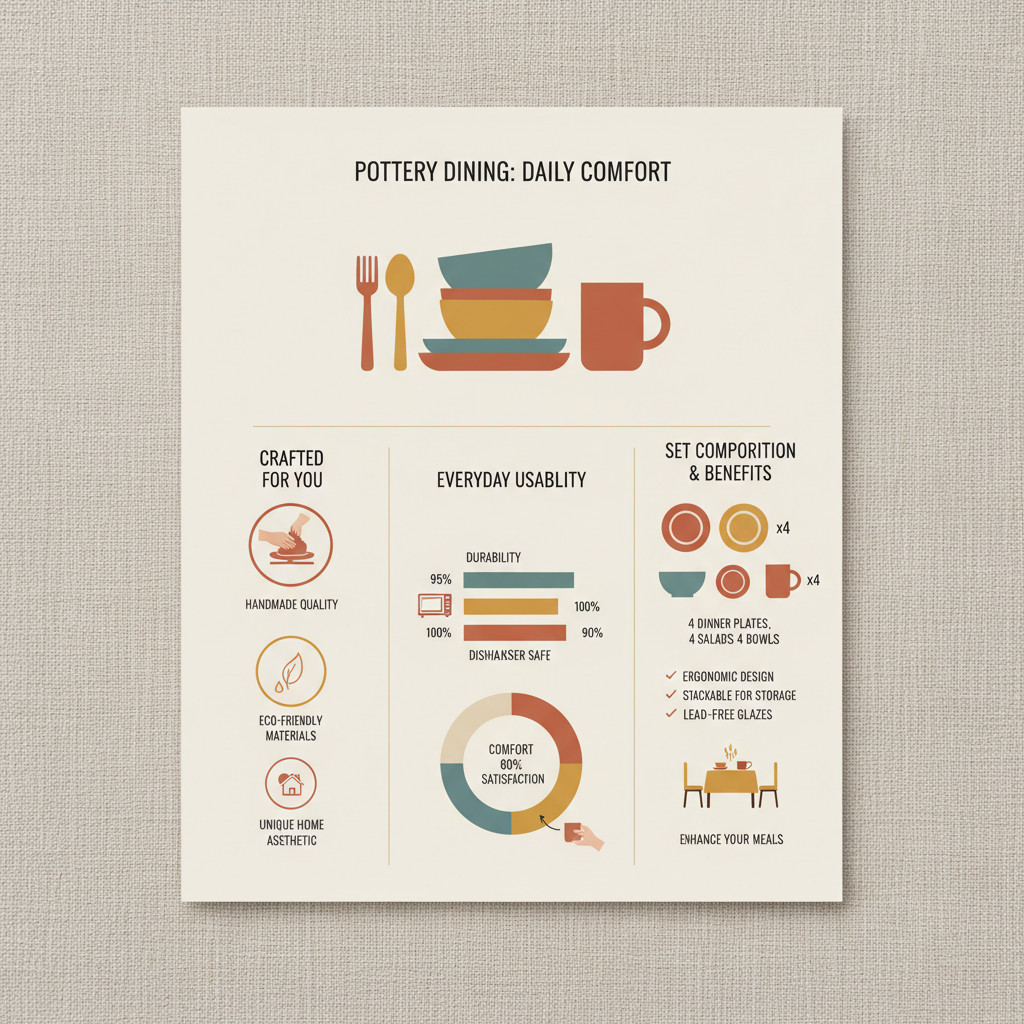
A ceramic crockery dinner set typically encompasses a collection of plates (dinner, salad, dessert), bowls (soup, cereal, serving), cups, saucers, and sometimes serving platters and accessories. The key defining characteristic is the material: ceramic, which is produced from clay that is shaped, fired at high temperatures, and often glazed for durability and aesthetics. Different types of ceramics, such as porcelain, stoneware, and earthenware, offer varying levels of strength, porosity, and heat resistance.
The connection to modern industry lies in the continuous advancements in ceramic materials and manufacturing processes. Manufacturers are increasingly focusing on creating durable, lightweight, and aesthetically pleasing dinner sets that meet the demands of modern lifestyles. Technological innovations, such as advanced glazing techniques and digital printing, enable the production of intricate designs and customized sets.
In terms of humanitarian needs, durable and hygienic ceramic crockery dinner sets can be crucial in providing safe and dignified dining solutions in disaster relief situations or for communities lacking access to adequate tableware. Properly manufactured ceramic sets are easy to clean, resistant to bacterial growth, and can withstand repeated use, making them a practical and sustainable option in challenging environments.
Core Components of a Quality Ceramic Crockery Dinner Set
The quality of a ceramic crockery dinner set hinges on several core components. Firstly, the clay body itself is critical. Stoneware and porcelain are generally considered superior to earthenware due to their greater durability and resistance to chipping. Secondly, the glaze plays a vital role, not only in providing aesthetic appeal but also in creating a protective layer that prevents food absorption and makes cleaning easier.
Manufacturing processes are equally important. Consistent firing temperatures and careful quality control measures are essential to ensure the structural integrity and uniformity of the pieces. Finally, the design and ergonomics of the set contribute to its overall usability and appeal. A well-designed ceramic crockery dinner set should be comfortable to hold and aesthetically pleasing to the eye.
Beyond these core aspects, environmental considerations are increasingly important. Consumers are seeking dinner sets made from sustainably sourced materials and manufactured using eco-friendly processes. Responsible manufacturers are adopting practices such as reducing water usage, minimizing waste, and using non-toxic glazes.
Key Factors Influencing Ceramic Crockery Dinner Set Selection
Durability is a primary factor for many consumers. The ability of a ceramic crockery dinner set to withstand daily use, resist chipping and cracking, and maintain its appearance over time is crucial. Scalability refers to the availability of sets in different sizes and configurations to accommodate varying household needs or event requirements.
Cost-efficiency is another important consideration, balancing the desire for quality with budget constraints. While higher-priced sets often offer superior durability and aesthetics, there are also many affordable options that provide good value for money. Design aesthetics play a significant role, with consumers seeking sets that complement their personal style and dining décor.
Comparative Analysis of ceramic crockery dinner set Features
Global Applications and Use Cases
Ceramic crockery dinner sets find widespread application in residential settings, ranging from everyday family meals to formal dining events. The hospitality industry – including restaurants, hotels, and catering services – relies heavily on durable and aesthetically pleasing ceramic dinnerware to enhance the dining experience for their guests.
In post-disaster relief operations, providing ceramic crockery dinner sets can offer a sense of normalcy and dignity to affected communities. Unlike disposable alternatives, ceramic dinnerware is reusable and can contribute to long-term sustainability. Moreover, in remote industrial zones or military bases, robust ceramic sets can provide a reliable and hygienic dining solution for workers and personnel.
Advantages and Long-Term Value
The cost-effectiveness of a quality ceramic crockery dinner set lies in its durability and longevity. While the initial investment may be higher than disposable alternatives, a well-maintained set can last for years, reducing the need for frequent replacements. Sustainability is another key advantage. Ceramic is a natural material, and responsible manufacturing practices can minimize environmental impact.
Socially, ceramic dinnerware promotes a sense of community and shared experience. Sharing meals on beautifully crafted ceramic sets can enhance the enjoyment of food and strengthen social bonds. From a reliability standpoint, ceramic is resistant to staining, scratching, and odors, ensuring a hygienic and pleasant dining experience.
Future Trends and Innovations in Ceramic Crockery Dinner Sets
Future trends point towards the increased use of innovative materials and manufacturing techniques. For instance, bio-ceramics – produced from renewable resources – are gaining traction as a sustainable alternative to traditional clay-based ceramics. Digital printing technologies are enabling the creation of highly customized and intricate designs, catering to individual consumer preferences.
Automation and robotics are being integrated into manufacturing processes to improve efficiency and reduce production costs. Furthermore, the integration of nanotechnology could lead to the development of ceramic dinnerware with enhanced properties, such as self-cleaning surfaces and improved heat retention. Focusing on circular economy principles—designing for disassembly and reuse—will also become more prevalent.
Challenges and Solutions
One common limitation is the fragility of ceramic, particularly thinner or more delicate designs. Addressing this requires advancements in material science and manufacturing techniques to enhance impact resistance. Another challenge is the energy intensity of the firing process. Solutions include optimizing kiln designs, utilizing renewable energy sources, and exploring alternative firing technologies.
Maintaining consistent quality control throughout the production process is also crucial. Implementing rigorous testing procedures and employing skilled craftspeople can help ensure that each piece meets the desired standards. Finally, addressing concerns related to lead and cadmium content in glazes requires using non-toxic alternatives and adhering to strict regulatory guidelines.
A key area for improvement is enhancing the traceability of materials within the supply chain, assuring consumers of ethical and sustainable sourcing practices. Collaboration between manufacturers, designers, and regulatory bodies is essential to overcome these challenges and ensure the continued development of high-quality and sustainable ceramic crockery dinner sets.
Summary of Challenges and Solutions in Ceramic Crockery Dinner Set Production
| Challenge |
Impact on Ceramic Crockery Dinner Sets |
Proposed Solution |
Implementation Difficulty (1-10) |
| Fragility of Material |
Increased risk of chipping and breakage during use and transport. |
Utilize advanced ceramic composites and optimized firing processes. |
7 |
| High Energy Consumption |
Significant carbon footprint associated with high-temperature firing. |
Implement energy-efficient kiln designs and transition to renewable energy sources. |
6 |
| Quality Control Variations |
Inconsistent product quality and increased defect rates. |
Implement rigorous testing protocols and skilled workforce training. |
5 |
| Toxic Glaze Components |
Potential health risks associated with lead and cadmium leaching. |
Adopt non-toxic glaze formulations and comply with safety regulations. |
4 |
| Supply Chain Transparency |
Difficulty in verifying ethical and sustainable sourcing of raw materials. |
Implement blockchain technology for traceability and certifications for responsible sourcing. |
8 |
| Waste Generation |
Ceramic production can generate significant amounts of waste material. |
Implement closed-loop manufacturing processes and repurpose waste materials. |
6 |
FAQS
Porcelain is known for its translucency, delicate appearance, and high durability, achieved through firing at higher temperatures. It's less porous than stoneware. Stoneware, on the other hand, is more robust, less translucent, and often has a more rustic feel. It's also quite durable but may be slightly heavier. The choice depends on your desired aesthetic and level of formality. Porcelain is often preferred for formal dining, while stoneware is excellent for everyday use.
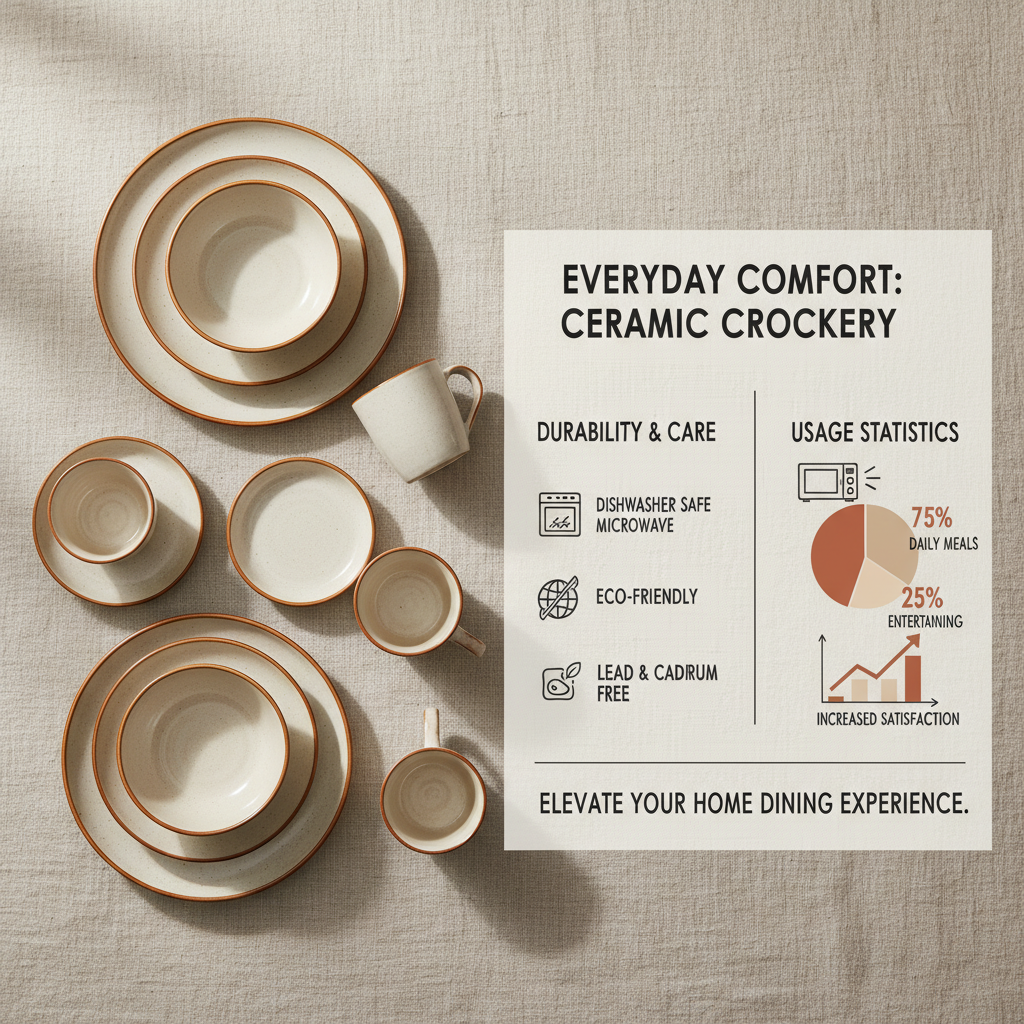
Check the manufacturer's instructions. Generally, stoneware is more robust and often fully dishwasher and microwave safe. Porcelain can also be safe, but some delicate patterns or gold accents may fade with repeated dishwasher use. Look for labeling indicating dishwasher and microwave suitability. Avoid sudden temperature changes, like taking a cold dish directly from the refrigerator and putting it into a hot oven, as this can cause thermal shock and cracking.
Avoid abrasive cleaners, which can scratch the glaze. Handwashing is always gentler, especially for delicate patterns. If using a dishwasher, use a gentle cycle and avoid overcrowding. When stacking, place a protective layer (such as felt pads) between pieces to prevent chipping. Avoid dropping or subjecting the dinnerware to sudden impacts.
Yes! Look for dinnerware made from sustainably sourced clay and manufactured using eco-friendly processes. Some manufacturers are using recycled materials or bio-ceramics. Consider sets with minimal packaging or packaging made from recycled materials. Choosing durable sets that last longer also contributes to sustainability by reducing the need for frequent replacements.
Prioritize durability and ease of cleaning. Stoneware is often a good choice for everyday use due to its robustness. Look for sets that are dishwasher and microwave safe for convenience. Consider the size of your household and the number of place settings you need. Choose a design that complements your kitchen décor and personal style.
Examine the surface for smoothness and consistency. Check for any imperfections, such as bubbles or cracks. A well-glazed set should have a uniform and glossy finish. Look for reputable brands with a history of quality craftsmanship. Read customer reviews to get insights into the durability and performance of the set.
Conclusion
In conclusion, the ceramic crockery dinner set remains a fundamental aspect of dining culture globally. From its historical roots to its modern applications, ceramic dinnerware continues to evolve, driven by technological advancements and a growing emphasis on sustainability. The core components of a quality set—durable materials, meticulous manufacturing, and aesthetically pleasing designs—contribute to its enduring appeal and long-term value.
Looking ahead, the future of ceramic crockery dinner sets lies in innovation and responsible production. Embracing eco-friendly materials, optimizing manufacturing processes, and prioritizing ethical sourcing will be crucial for meeting the demands of conscious consumers. By investing in quality ceramic dinnerware, we not only enhance our dining experiences but also contribute to a more sustainable and equitable future.