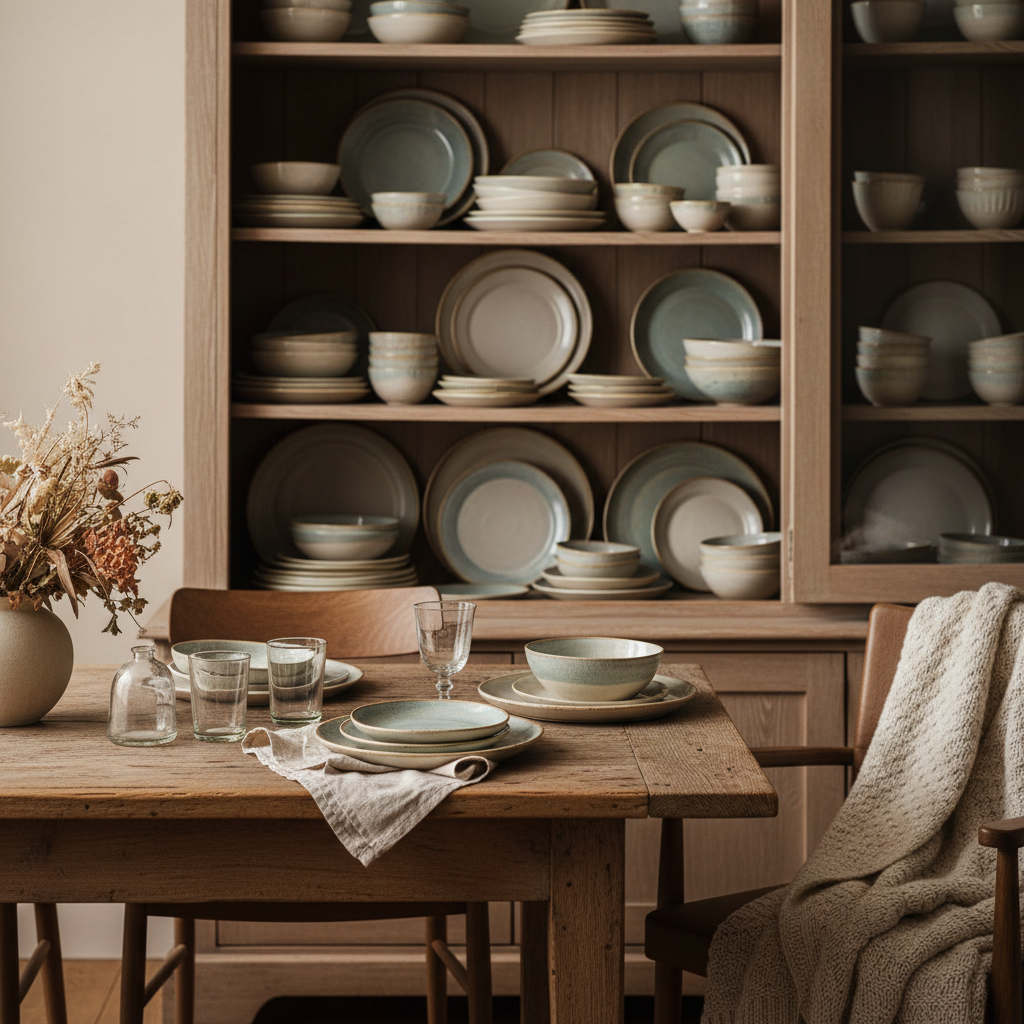
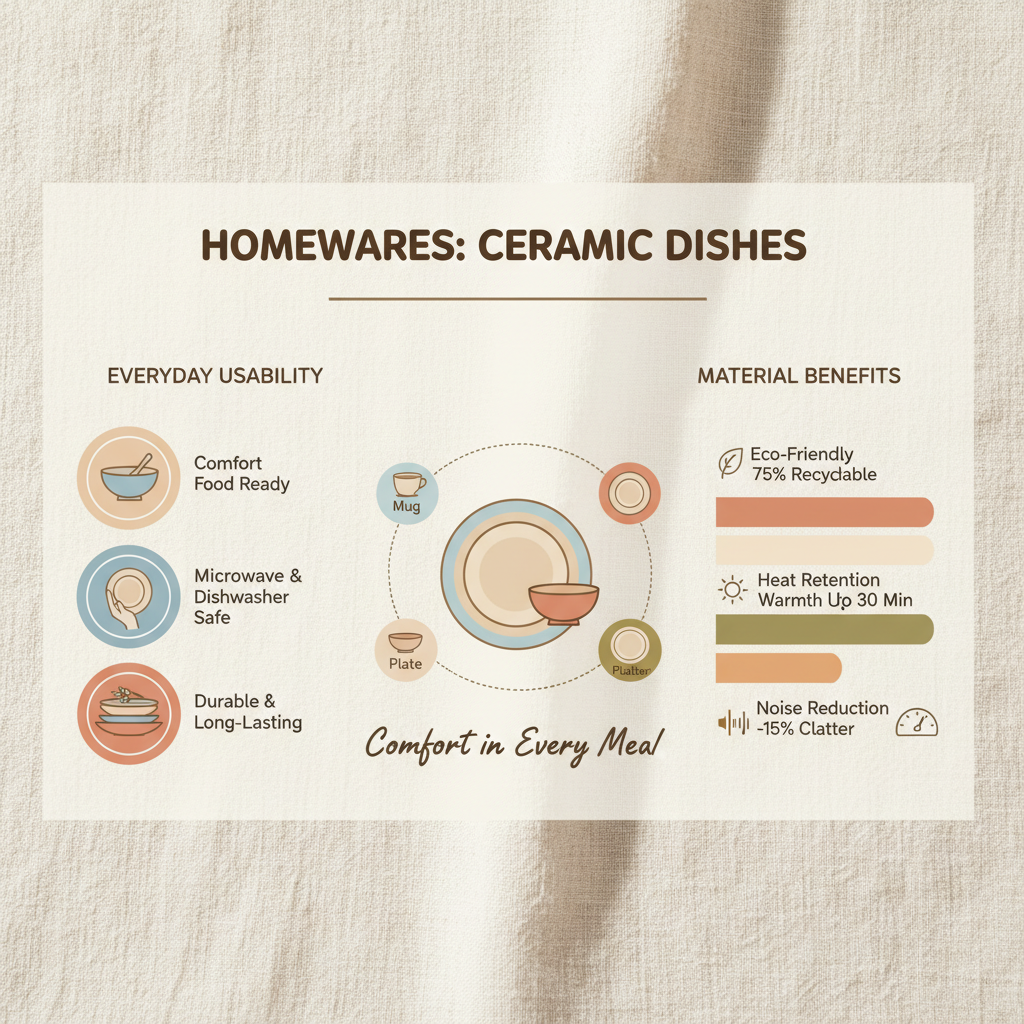
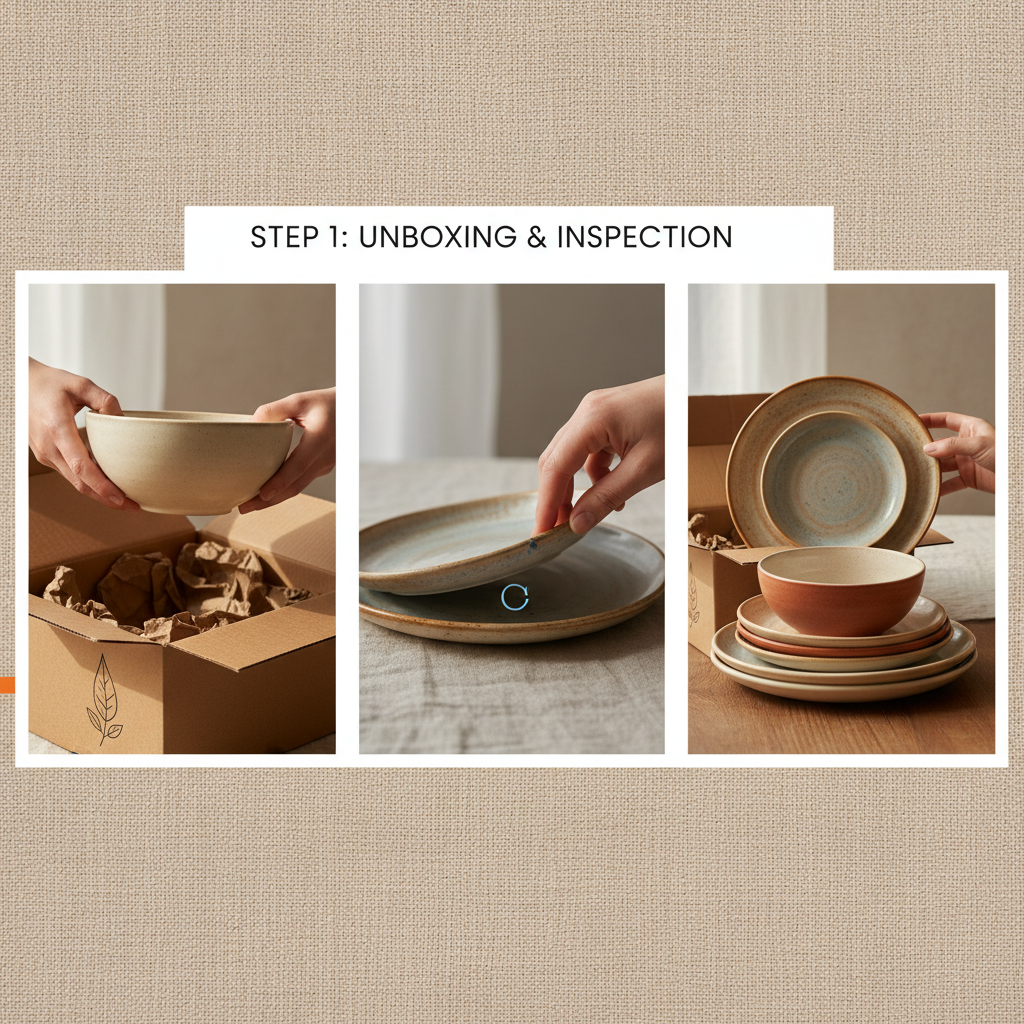
Ceramic dishes. Sounds simple, right? But after years crawling around construction sites, getting my hands dirty with engineers, and seeing what folks actually need, I can tell you it's anything but. It’s about more than just plates and bowls; it’s about reliability, resilience, and a bit of comfort in situations where comfort is hard to come by. We're talking about places where replacing a broken dish isn’t a quick run to the store – it’s a logistical headache. From remote field camps to disaster relief efforts, the right dishware can make a genuine difference.
I’ve seen a lot of so-called “durable” products crumble under pressure. Cheap plastic cracks, metal dents, and glass… well, glass breaks. Ceramic, when done right, holds up. It withstands the rough handling, the extreme temperatures, and the constant wear and tear that’s just part of life on-site or in challenging environments. That's why I’ve become a staunch believer in well-made ceramic dishes.
And it's not just about toughness. It's about dignity. Serving a meal on a solid, attractive plate, even in difficult circumstances, provides a small slice of normalcy. It says, "We care about you." That might sound soft, but trust me, when you're dealing with folks who are facing hardship, those small gestures matter.
The Importance of Durable Dishes
I've seen crews spend valuable time and money replacing flimsy dishware that simply couldn’t handle the job site. That’s time they could be spending on critical tasks. It’s money that could be used for better equipment or, frankly, better food. Ceramic dishes, properly sourced and manufactured, offer a solution. They’re a long-term investment that reduces waste and improves overall efficiency.
It’s not just about the cost of replacement, either. Broken dishes are a safety hazard. Chips and shards can cause injuries, especially in a busy environment. Investing in robust dishware is an investment in the well-being of your team.
Defining Ceramic Dishware
Let’s cut through the jargon. Ceramic dishware isn’t just "pottery." It's made from inorganic, non-metallic materials – typically clay, molded into shape, and then hardened by firing at high temperatures. This process creates a material that's inherently strong, heat-resistant, and relatively inert. What separates good ceramic from great ceramic is the quality of the clay, the firing process, and the glazing used.
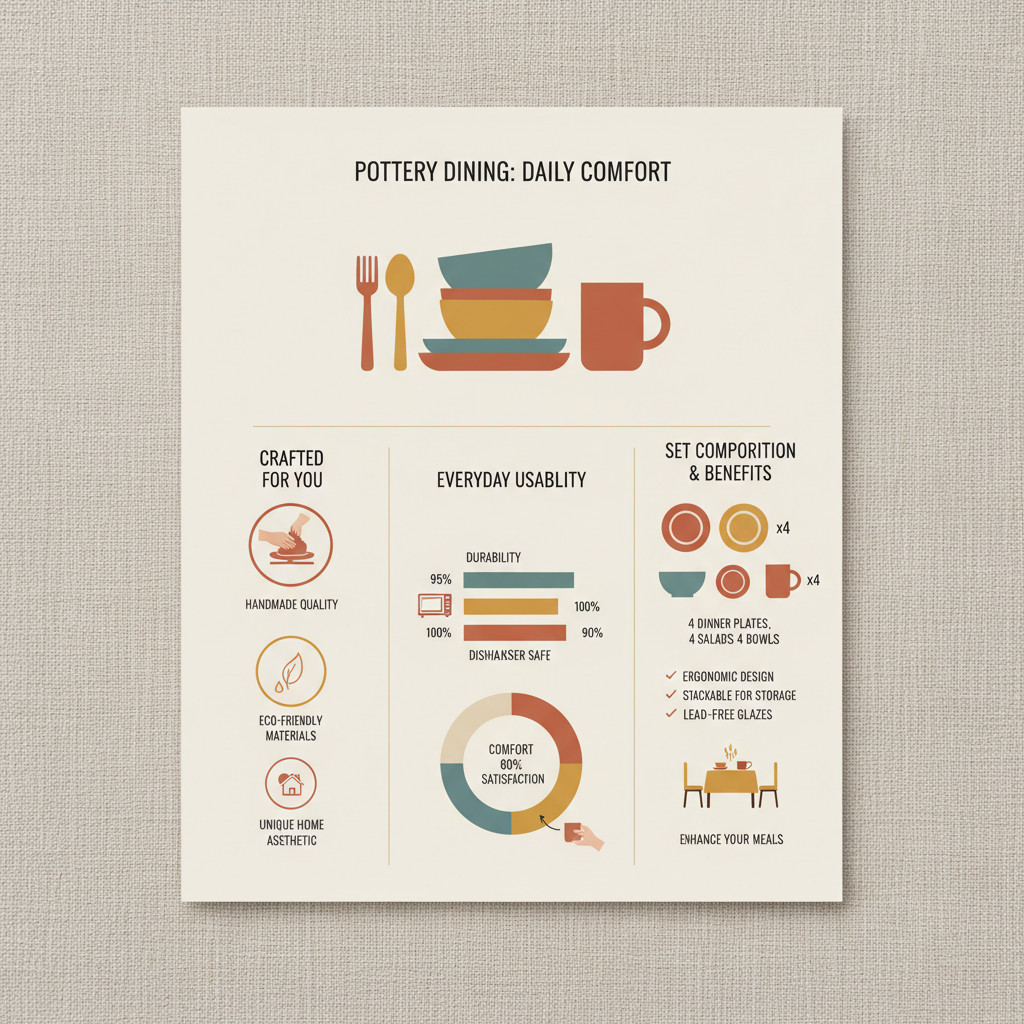
These aren’t your grandmother’s fine china, though. The ceramic dishes we’re talking about are designed for performance. They need to be chip-resistant, able to withstand repeated washing in industrial dishwashers, and capable of handling a wide range of temperatures. It's about balancing aesthetics with rugged functionality.
The connection to modern industry is direct. Whether it’s feeding a remote mining crew, providing meals for disaster relief volunteers, or simply equipping a construction site mess hall, reliable dishware is a logistical necessity.
Key Characteristics of Quality Ceramic Dishes
Durability is paramount, as we've discussed. But beyond that, you need to look at thermal shock resistance. Can the dish go from a hot oven to a cold sink without cracking? That's crucial in a field setting where you might not have a lot of control over temperature fluctuations.
Glaze quality is also critical. A well-applied, durable glaze not only protects the ceramic body but also makes it easier to clean and prevents food from sticking. Look for glazes that are lead-free and food-safe – you don’t want to be adding toxins to the meal.
Finally, weight is a factor. You want dishes that are sturdy but not overly heavy, especially if they're being carried over long distances or used by people with limited strength. Striking that balance is key to maximizing usability.
Assessing Ceramic Dish Durability
There’s a lot of marketing hype out there. “Unbreakable!” “Indestructible!” – it’s rarely true. As someone who’s had to deal with broken gear in the field, I rely on real-world testing. Drop tests are a good starting point, but they don't tell the whole story. You need to assess resistance to chipping, scratching, and thermal shock.
Look for certifications – ISO standards, for example – that demonstrate a commitment to quality and durability. And, if possible, get samples and put them through their paces yourself. Give them to your crew to use and get their feedback. That's the most reliable test of all.
Ceramic Dish Durability Ratings
Global Applications in Demanding Environments
I’ve seen ceramic dishes put to the test in some incredibly challenging situations. In post-disaster relief operations, where speed and reliability are paramount, they provide a much-needed sense of normalcy. They're also common in remote mining camps and logging operations, where resupply is difficult and durable gear is essential.
They are also the standard in many professional kitchens, for very obvious reasons. But even in less extreme environments – like large construction projects or military bases – quality ceramic dishware can significantly improve morale and efficiency.
Long-Term Benefits and Value Proposition
The initial cost of high-quality ceramic dishes might be higher than cheap alternatives, but the long-term benefits far outweigh the investment. Reduced replacement costs, improved safety, and enhanced morale all contribute to a positive return on investment.
There’s also the sustainability factor. Durable dishware reduces waste and minimizes the environmental impact. And let's not underestimate the psychological impact. Providing people with quality, reliable equipment demonstrates respect and builds trust. It's a small thing, but it can make a big difference.
Frankly, it just feels better to eat off a good plate. It's about recognizing the inherent dignity of everyone you’re serving.
Future Trends and Innovation in Ceramic Technology
We’re seeing some exciting advancements in ceramic technology. New materials are being developed that offer even greater strength and thermal shock resistance. Manufacturing processes are becoming more efficient and sustainable.
I’m particularly interested in the development of bio-ceramics – materials made from renewable resources. These could offer a truly eco-friendly alternative to traditional ceramics. And, as automation and digital manufacturing become more widespread, we can expect to see more customized and specialized dishware solutions.
The key is to balance innovation with practicality. We need solutions that are not only technically advanced but also affordable and easy to use in real-world conditions.
Summary of Ceramic Dishware Advancement Trends
| Advancement Area |
Current Status |
Potential Impact on Ceramic Dishes |
Implementation Challenges |
| New Ceramic Materials |
Research phase, exploring silicon carbide and zirconia blends |
Increased durability, thermal shock resistance, and chip resistance |
High production costs, scalability concerns |
| Bio-Ceramics |
Early development, using agricultural waste products |
Sustainable and environmentally friendly material |
Lower strength and durability compared to traditional ceramics |
| Automated Manufacturing |
Increasing adoption of robotic arms and 3D printing |
Reduced production costs, increased customization |
High initial investment, need for skilled operators |
| Advanced Glazing Techniques |
Development of self-cleaning and antibacterial glazes |
Improved hygiene, reduced maintenance |
Potential health concerns, long-term durability |
| Smart Ceramics |
Integration of sensors for temperature monitoring and food safety |
Enhanced food safety, real-time monitoring of dishware conditions |
High cost, limited battery life |
| Nanotechnology Integration |
Applying nano-coatings for scratch and stain resistance |
Improved surface properties, extended lifespan |
Potential environmental impact, long-term health effects |
FAQS
While plastic is lightweight, it’s prone to cracking, staining, and warping in extreme temperatures. High-quality ceramic dishes are much more durable and can withstand harsh conditions without degrading. They also don’t leach chemicals into food, making them a safer choice for long-term use, even in direct sunlight. We’ve seen plastic disintegrate on job sites after only a few months, while ceramic dishes can last for years.
Yes, ceramic generally weighs more than melamine. However, the weight difference is often offset by the increased durability and longevity. You’re replacing melamine dishes much more frequently, which adds up in terms of both cost and waste. We focus on finding ceramic dishes with optimized designs that minimize weight without sacrificing strength.
Regular cleaning with hot, soapy water is usually sufficient. For stubborn stains, a mild abrasive cleaner can be used. Avoid using harsh chemicals or abrasive scrubbers, as they can damage the glaze. Crucially, ensure dishes are thoroughly dried before storing to prevent mold growth. Industrial dishwashers are fine if they’re not overly aggressive.
With proper care and handling, high-quality ceramic dishes can last for 5-10 years or even longer in demanding environments. Of course, accidents happen, and breakage is always a possibility. But, compared to other materials, they offer a significantly longer lifespan, reducing the need for frequent replacements. We’ve seen some dishes still going strong after a decade of heavy use.
Look for certifications like ISO 8442 for shatter resistance and ensure the dishes are NSF/ANSI Standard 51 certified, meaning they meet food safety standards. Also, check for lead-free and cadmium-free glazes to ensure the dishes are safe for food contact. These certifications offer assurance of quality and safety.
Traditional ceramic production can be energy-intensive. However, manufacturers are increasingly adopting sustainable practices, such as using renewable energy sources and reducing water consumption. Look for companies that prioritize eco-friendly materials and manufacturing processes. Bio-ceramics, as discussed, are a promising future direction for sustainable dishware.
Conclusion
We’ve covered a lot of ground, from the basics of ceramic composition to the latest advancements in material science. The bottom line is this: ceramic dishes are a surprisingly sophisticated solution to a surprisingly common problem – the need for durable, reliable, and dignified dishware in challenging environments. They’re an investment that pays off in reduced costs, improved safety, and enhanced morale.
Looking ahead, I expect to see even more innovation in this space, with new materials and manufacturing techniques pushing the boundaries of what’s possible. If you’re responsible for equipping a remote camp, a construction site, or responding to a disaster, take a close look at the benefits of quality ceramic dishware. You – and the people you’re serving – will be glad you did. Visit our website to learn more: www.maxtrust-kitchenware.com.