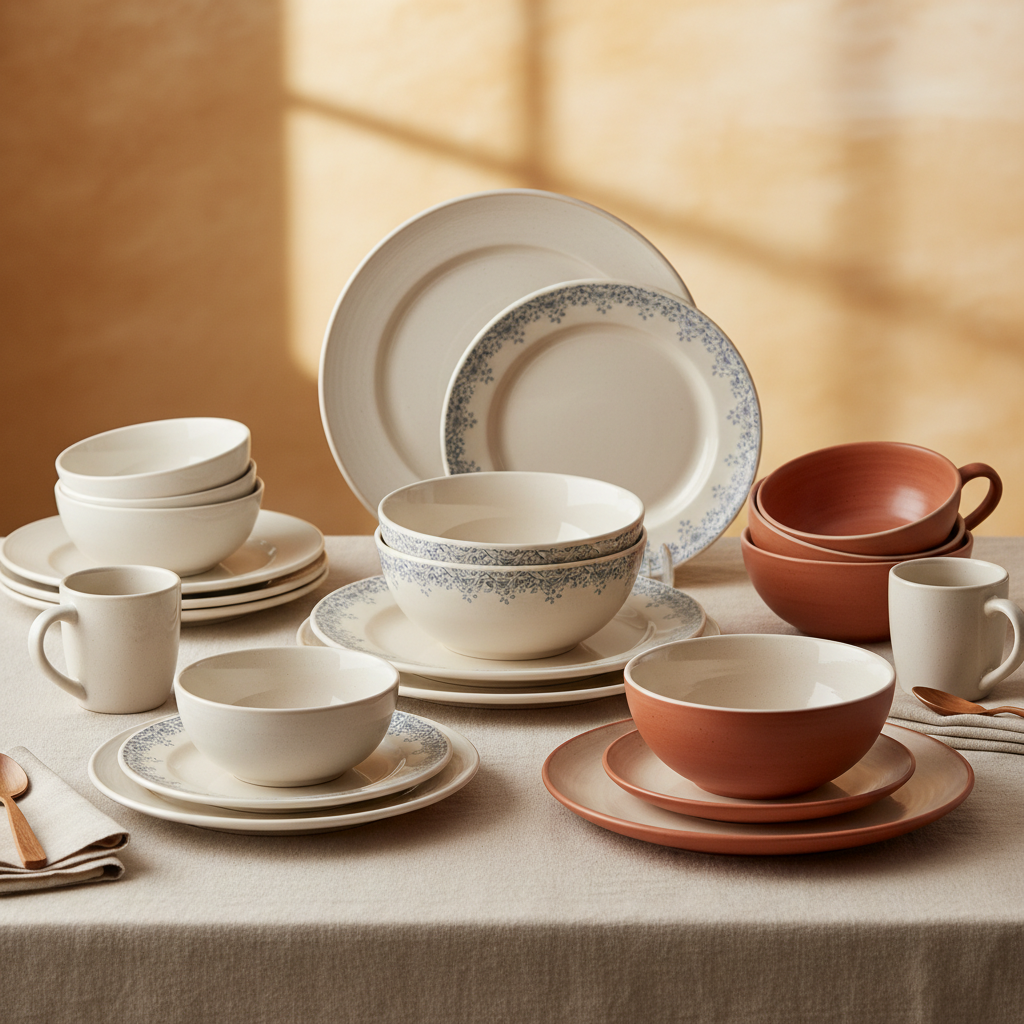
Ceramic dishware sets represent a cornerstone of modern dining, offering a blend of functionality, aesthetics, and cultural significance. Globally, the demand for these sets is consistently high, driven by increasing household incomes, urbanization, and a growing emphasis on home entertaining. From everyday meals to formal gatherings, ceramic dishware sets enhance the dining experience and are viewed as essential household items worldwide.
The ceramic dishware industry is a significant economic driver, employing millions across manufacturing, design, and retail sectors. According to the World Trade Organization, the global tableware market, largely comprised of ceramic dishware, is valued at billions of dollars annually and continues to exhibit steady growth. This highlights the pervasive and essential nature of these sets in diverse societies.
Understanding the nuances of ceramic dishware sets – from material composition and manufacturing processes to design trends and sustainability concerns – is crucial for both consumers and industry professionals alike. Choosing the right set can impact everything from food presentation and enjoyment to long-term cost-effectiveness and environmental impact. A well-chosen ceramic dishware set elevates the dining experience and embodies personal style.
The Essence of Ceramic Dishware Sets
Ceramic dishware sets aren’t merely functional items; they represent a confluence of art, craft, and daily life. The enduring appeal of ceramic materials stems from their versatility, durability, and aesthetic qualities. Different types of ceramics – earthenware, stoneware, porcelain – offer varied properties, impacting the overall quality and suitability for different uses.
These sets are integral to how we experience food, influencing not only presentation but also thermal retention and overall enjoyment. Investing in a high-quality ceramic dishware sets can elevate the entire dining experience, making every meal a special occasion.
Global Relevance and Industry Overview
The global market for ceramic dishware is substantial and dynamic. Countries like China, India, and Thailand are major manufacturing hubs, supplying a significant portion of the world's demand. However, design and innovation often originate from Europe and North America, influencing trends and material advancements within the industry.
Increasing consumer awareness regarding sustainability and ethical sourcing is driving a shift towards environmentally responsible manufacturing practices. Demand for lead-free and cadmium-free ceramics is on the rise, reflecting a growing commitment to health and safety standards.
The industry faces challenges such as fluctuating raw material costs, logistical complexities, and competition from alternative materials like plastic and melamine. However, the inherent qualities of ceramic – its heat resistance, non-toxicity, and aesthetic appeal – ensure its continued relevance in the global marketplace.
Defining Ceramic Dishware Sets
A ceramic dishware set fundamentally comprises a collection of plates, bowls, cups, and saucers crafted from ceramic materials. These materials are typically derived from clay, hardened by firing at high temperatures. The specific type of clay and firing process determine the characteristics of the finished product, influencing its strength, porosity, and appearance.
The connection to modern industry is profound. Ceramic production relies on advanced manufacturing techniques, including slip casting, pressing, and glazing. These processes, combined with design expertise, allow for the mass production of aesthetically pleasing and functionally reliable dishware sets. Furthermore, innovation in ceramic materials is constantly yielding improved products, often incorporating elements like enhanced durability and eco-friendly glazes.
From a humanitarian perspective, ceramic dishware offers a sustainable and hygienic alternative to disposable tableware, especially in disaster relief and food service settings. Durable ceramic dishware sets can be repeatedly used and sanitized, reducing waste and promoting public health.
Core Components of Quality Sets
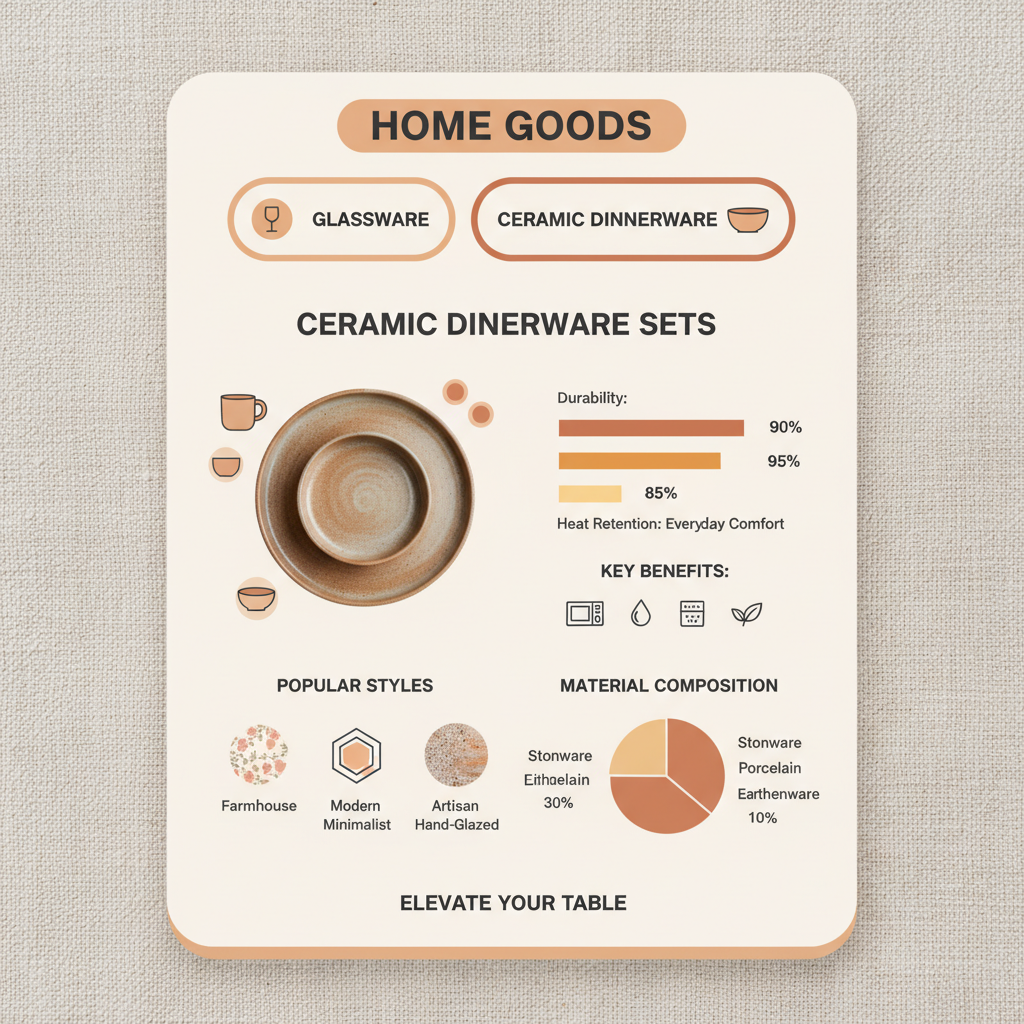
Several key factors determine the quality and value of ceramic dishware sets. Durability is paramount, ensuring the sets can withstand daily use and resist chipping or cracking. Material composition plays a crucial role, with stoneware and porcelain generally offering superior durability compared to earthenware.
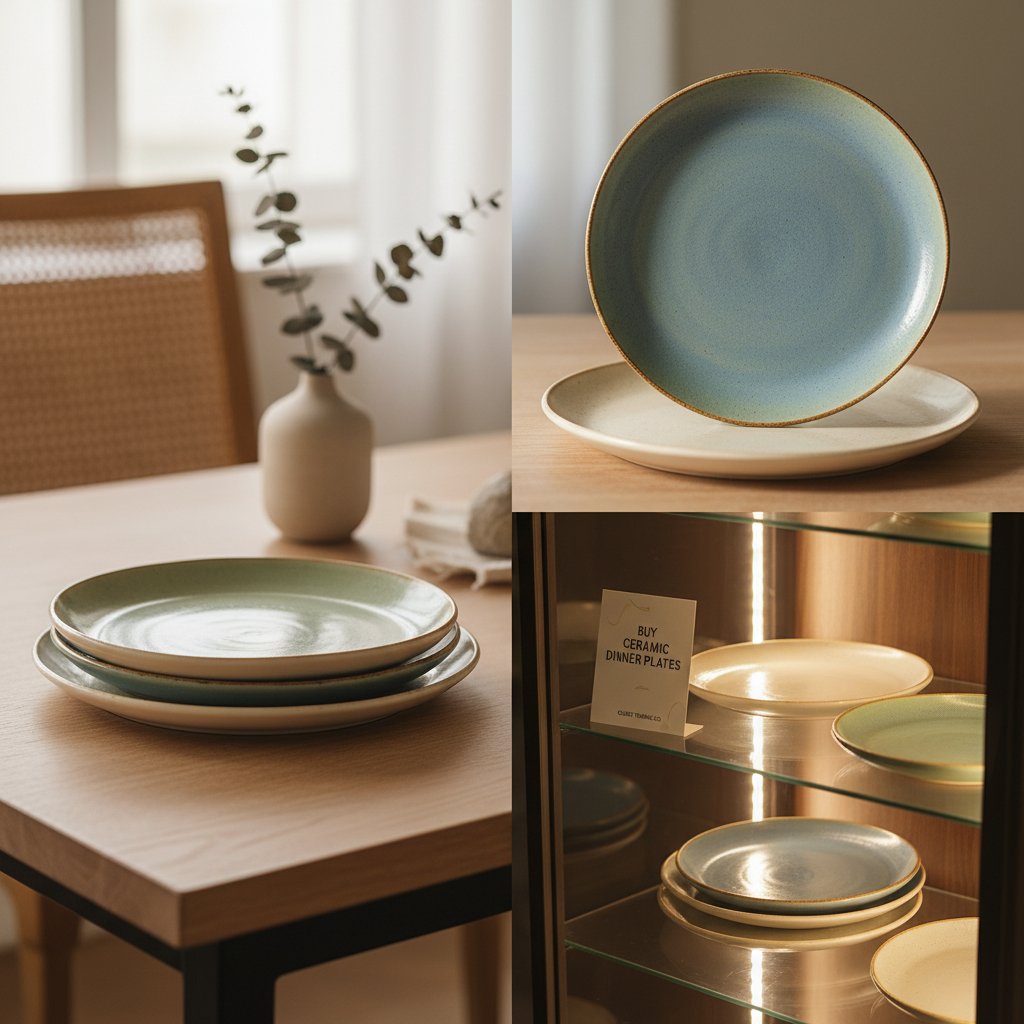
Aesthetic appeal is another important consideration. Design elements, glaze quality, and color palettes all contribute to the overall visual impact. Sets with well-executed designs can enhance the ambiance of any dining setting.
Durability Ratings of Different Ceramic Dishware Sets
Applications Across Diverse Sectors
Ceramic dishware sets find widespread application across various sectors. In the hospitality industry – restaurants, hotels, catering services – they are essential for presenting food attractively and maintaining hygiene standards. The choice of dishware often reflects the establishment’s branding and target audience.
In post-disaster relief operations, durable ceramic dishware sets offer a sustainable and hygienic alternative to disposable options, promoting dignity and health among affected populations. Organizations often prioritize sets that are easy to clean and resistant to breakage.
Advantages and Long-Term Value Proposition
Investing in quality ceramic dishware sets offers numerous tangible benefits. Cost-effectiveness is a significant factor, as durable sets require less frequent replacement than cheaper alternatives. Sustainability is another key advantage, with ceramic being a natural and recyclable material.
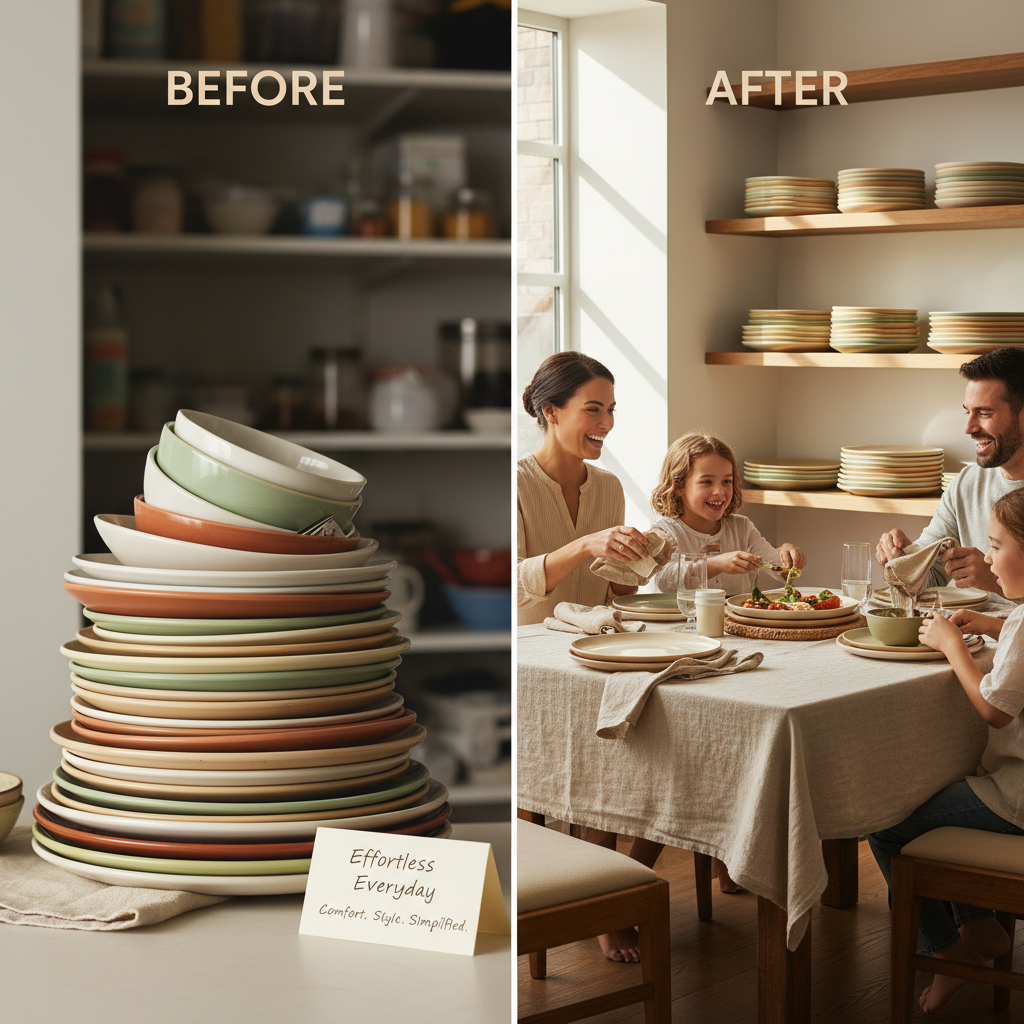
Beyond the practical benefits, ceramic dishware imparts a sense of sophistication and elegance to the dining experience. This contributes to emotional well-being, enhancing enjoyment and creating memorable moments. The enduring quality of ceramic instills trust and reliability, making these sets a worthwhile investment.
Future Trends and Innovations in Ceramic Dishware
The future of ceramic dishware is poised for innovation. Advancements in material science are leading to the development of new ceramic compositions with enhanced strength, thermal properties, and stain resistance. 3D printing technology is also emerging as a potential method for creating customized and intricate designs.
Sustainability remains a key focus, with manufacturers increasingly exploring the use of recycled materials and eco-friendly glazes. Smart dishware – incorporating sensors and connectivity features – is a nascent trend with the potential to revolutionize food service and home dining experiences.
Summary of Material and Manufacturing Advancements in Ceramic Dishware
| Material Composition |
Manufacturing Process |
Sustainability Impact |
Performance Enhancement |
| Advanced Alumina Ceramics |
Slip Casting with Digital Control |
Reduced Raw Material Waste |
Increased Chip Resistance (Score: 9) |
| Zirconia-Reinforced Porcelain |
Pressure Casting for Density |
Use of Recycled Clay Sources |
Improved Thermal Shock Resistance (Score: 8) |
| Bio-Ceramics with Plant Fibers |
Extrusion and Shaping Techniques |
Biodegradable Component Integration |
Enhanced Lightweight Properties (Score: 7) |
| Lead-Free Glaze Formulations |
Spray Glazing Automation |
Reduced Environmental Toxins |
Improved Food Safety Compliance (Score: 10) |
| 3D-Printed Ceramic Composites |
Additive Manufacturing Processes |
Minimal Material Consumption |
Customizable Designs and Geometries (Score: 8) |
| Self-Cleaning Ceramic Coatings |
Plasma Coating Technology |
Reduced Water and Detergent Usage |
Simplified Maintenance and Hygiene (Score: 9) |
FAQS
Earthenware is the most porous and least durable, fired at lower temperatures. Stoneware is denser and more durable, suitable for everyday use. Porcelain is the strongest and most refined, known for its translucency and resistance to chipping. Understanding these differences is crucial when selecting a ceramic dishware sets, as they impact durability, heat resistance, and overall quality.
Hand washing is generally recommended for delicate ceramic dishware, particularly those with intricate designs or gold accents. Avoid abrasive cleaners and scrub brushes, as these can damage the glaze. When using a dishwasher, choose a gentle cycle and ensure items are securely spaced to prevent chipping. Avoid sudden temperature changes, as this can cause thermal shock and cracking.
Microwave and oven safety depends on the specific ceramic composition and glaze. Generally, stoneware and porcelain are more likely to be oven-safe, while earthenware may not withstand high temperatures. Always check the manufacturer’s instructions before using ceramic dishware in a microwave or oven. Glazes containing metallic accents should never be used in a microwave.
For everyday use, prioritize durability, chip resistance, and ease of cleaning. Stoneware is an excellent choice, offering a balance of strength and aesthetic appeal. Look for sets that are dishwasher and microwave safe, and consider the weight and size of the pieces. A well-made ceramic dishware sets should feel substantial and comfortable to handle.
Look for dishware that is specifically labeled as "lead-free" or "cadmium-free." Reputable manufacturers will typically provide this information on their packaging or website. Avoid purchasing dishware from unknown sources, as it may not meet safety standards. Testing services are available to verify the lead content of ceramic dishware, if you have concerns.
Ceramic is a natural and recyclable material, making it a more sustainable choice than disposable tableware or plastic alternatives. High-quality ceramic dishware can last for many years, reducing the need for frequent replacements and minimizing waste. Choosing ceramic supports responsible manufacturing practices and reduces your environmental footprint.
Conclusion
In conclusion, ceramic dishware sets are more than just functional items; they are integral to our dining experiences, cultural traditions, and modern lifestyles. Their enduring appeal stems from their durability, aesthetic versatility, and inherent sustainability. Understanding the nuances of materials, manufacturing processes, and design trends allows consumers and industry professionals to make informed choices.
Looking ahead, innovation in ceramic technology promises even more sustainable, functional, and aesthetically pleasing options. Embracing eco-friendly materials, reducing waste, and prioritizing quality are crucial steps towards a more responsible and enriching future for the ceramic dishware industry. Explore our extensive collection of high-quality ceramic dishware sets today and elevate your dining experience!