Ceramic crockery sets represent more than just dinnerware; they embody a tradition of craftsmanship, durability, and aesthetic appeal that has spanned centuries. Globally, the demand for quality ceramic crockery sets is steadily increasing, driven by a growing appreciation for home dining experiences and a desire for aesthetically pleasing table settings. This demand is particularly noticeable in emerging economies where disposable income is rising, and a middle class is increasingly focused on lifestyle enhancements. Understanding the nuances of ceramic crockery sets - from material composition and manufacturing processes to design trends and sustainability considerations – is crucial for both consumers and industry professionals.
The ceramic crockery set market is a significant component of the broader tableware industry, valued at billions of dollars worldwide. Organizations like the World Trade Organization (WTO) report a consistent demand for tableware, with ceramic products holding a substantial market share. However, challenges remain, including concerns around sustainable sourcing of raw materials and the energy-intensive nature of ceramic production. Addressing these challenges is essential for ensuring the long-term viability and ethical production of ceramic crockery sets.
Ultimately, a deep understanding of ceramic crockery sets empowers consumers to make informed purchasing decisions and supports the development of innovative, sustainable, and aesthetically pleasing products that enhance our dining experiences and contribute to a more responsible industry.
The Global Significance of ceramic crockery set
The prevalence of ceramic crockery sets is globally significant, extending beyond simply functional tableware. Their production and consumption impact economies worldwide, particularly in regions with established ceramic manufacturing industries like China, India, and Italy. The United Nations Sustainable Development Goals (SDGs) also relate to the ceramic industry, specifically concerning responsible consumption and production (SDG 12) and decent work and economic growth (SDG 8). The artistry and cultural heritage associated with ceramic production further contribute to its global importance.
The demand for diverse ceramic crockery sets continues to rise, fuelled by shifts in consumer preferences and the growing hospitality industry. Factors like increased tourism, expanding restaurant sectors, and a greater emphasis on home entertainment all contribute to this demand. The ability of ceramic crockery sets to blend traditional craftsmanship with modern design makes them a versatile and enduring choice for consumers globally.
Defining ceramic crockery set
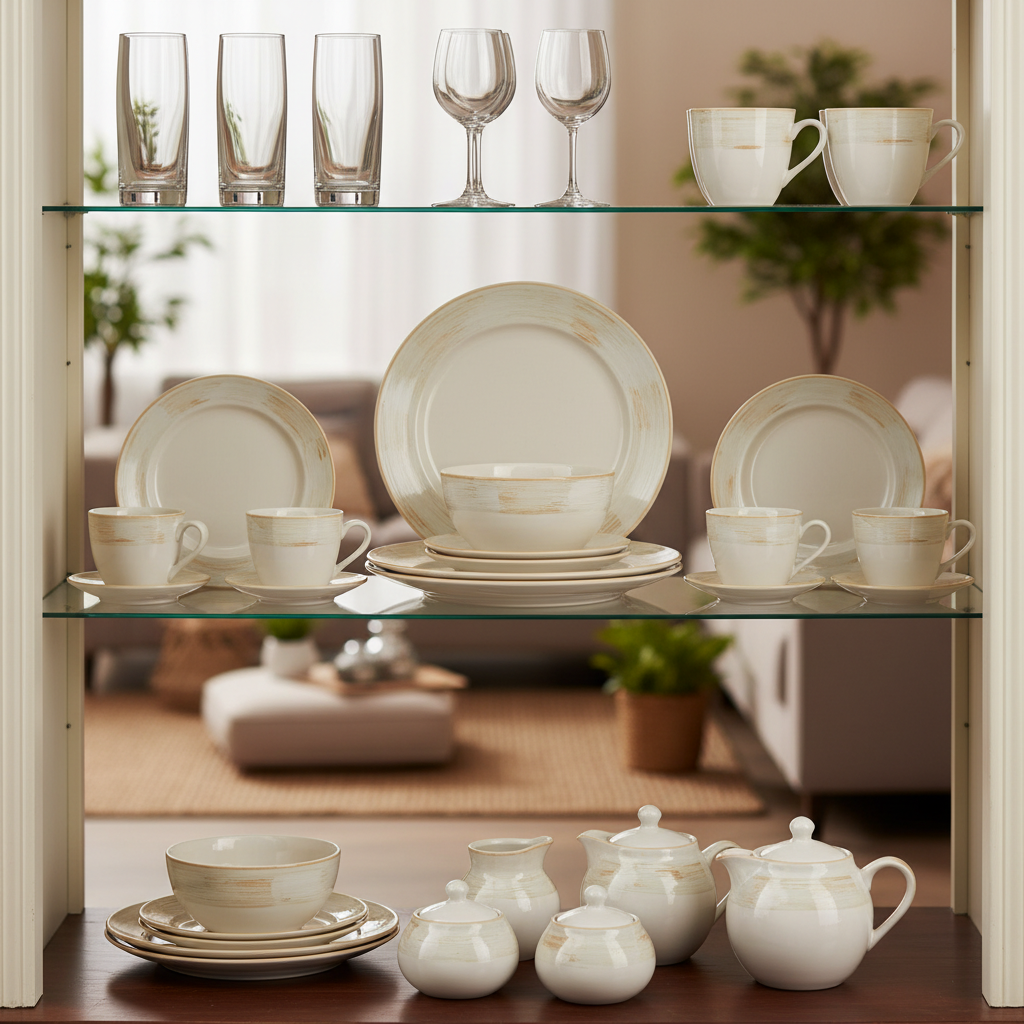
A ceramic crockery set encompasses a collection of tableware – plates, bowls, cups, saucers, and serving dishes – made primarily from ceramic materials. These materials are derived from clay, often kaolin, earthenware, or stoneware, which are shaped, dried, and then fired at high temperatures to create durable and non-porous vessels. The term ‘crockery’ itself is historically British and refers specifically to porcelain and earthenware tableware.
In the modern context, ceramic crockery sets represent a blend of functionality, aesthetics, and cultural expression. They are integral to both everyday dining and formal entertaining, symbolizing hospitality and shared meals. Their connection to modern industry lies in the advanced manufacturing processes and material science involved in their production, as well as the sophisticated design and marketing that drive their consumer appeal.
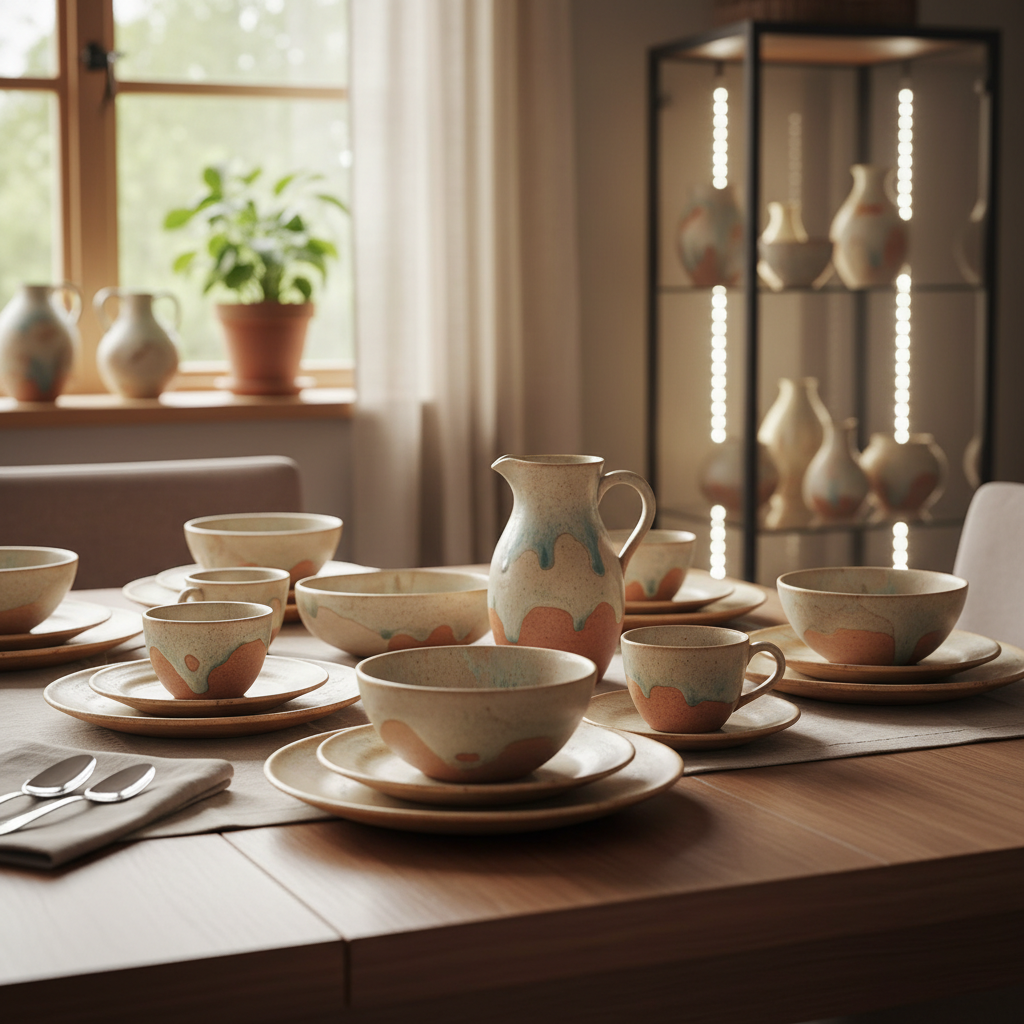
The enduring appeal of ceramic crockery sets stems from their versatility and ability to complement a wide range of culinary styles and dining environments. Whether a rustic earthenware set or a refined porcelain collection, ceramic crockery sets offer a timeless quality that continues to resonate with consumers worldwide.
Core Components of ceramic crockery set
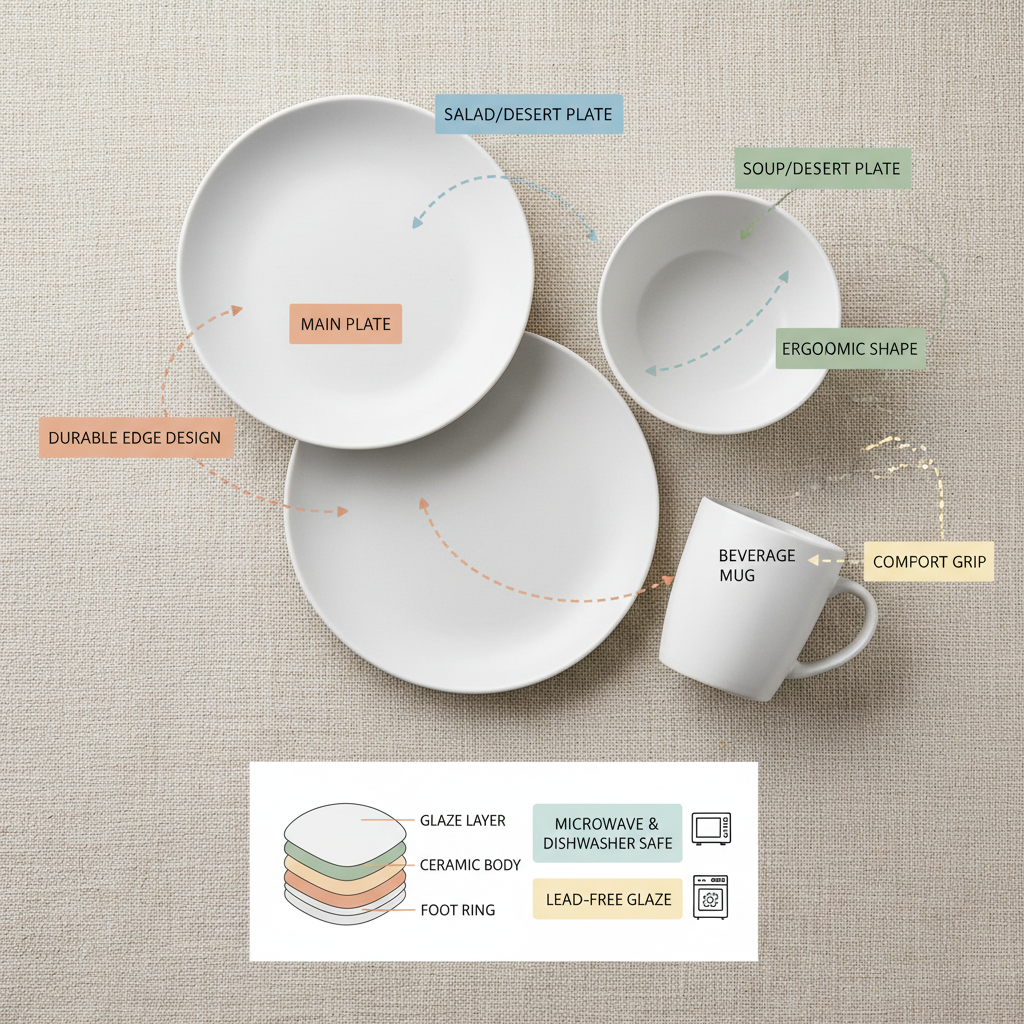
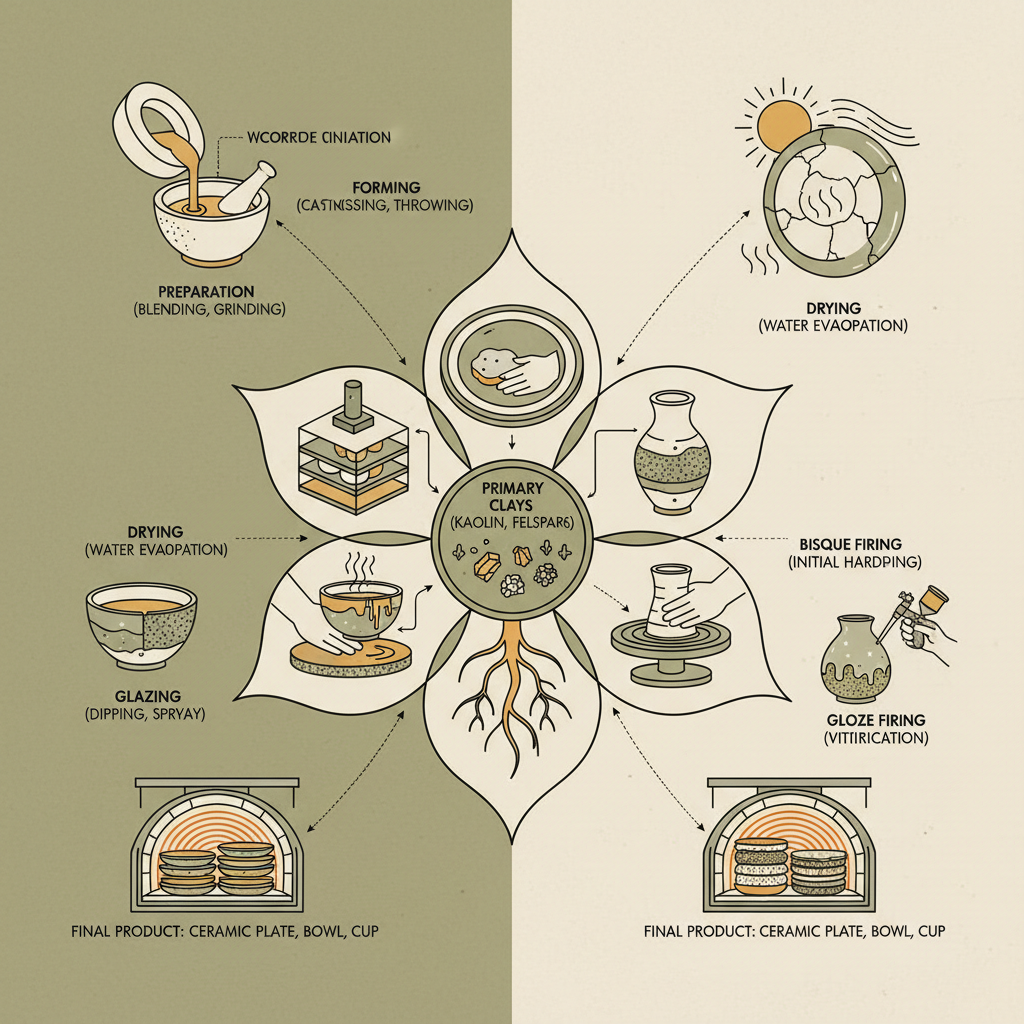
Several key components define the quality and characteristics of a ceramic crockery set. Firstly, the clay composition significantly impacts the durability, porosity, and aesthetic qualities of the finished product. Different types of clay, such as porcelain, stoneware, and earthenware, offer varying levels of strength and resistance to chipping. Secondly, the glaze applied to the ceramic surface is crucial for creating a waterproof barrier and enhancing the visual appeal.
Thirdly, the firing process – involving precise temperature control and atmospheric conditions – is essential for achieving optimal hardness, density, and color development. Fourthly, design and aesthetics play a vital role in defining the overall appeal of a ceramic crockery set, encompassing shape, color, pattern, and finish. These components work synergistically to create a product that is both functional and visually pleasing.
Finally, the manufacturing techniques employed – whether hand-crafted or mass-produced – influence the overall cost and quality of the set. Understanding these core components is crucial for both manufacturers and consumers when assessing the value and suitability of a particular ceramic crockery set.
Durability and Practical Applications
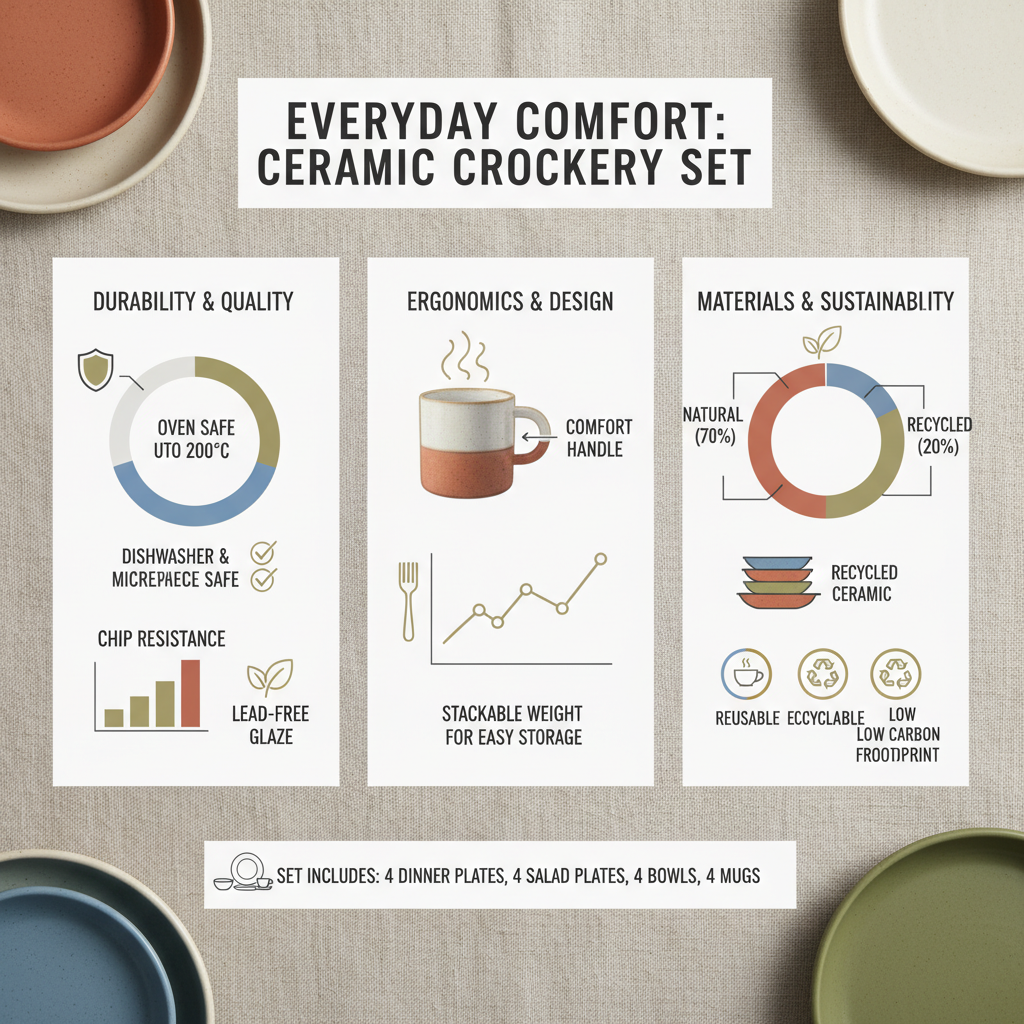
The inherent durability of ceramic crockery sets makes them a practical choice for both everyday use and special occasions. Unlike more fragile materials like glass, ceramic is resistant to scratching, chipping, and thermal shock. High-fired stoneware and porcelain, in particular, offer exceptional strength and longevity.
These characteristics make ceramic crockery sets ideal for various applications, ranging from family dinners and casual gatherings to formal events and commercial settings such as restaurants and hotels. Their ability to withstand repeated use and washing without losing their integrity ensures a long-lasting investment.
Durability Ratings for Different Ceramic crockery set Types
Global Applications and Use Cases
Ceramic crockery sets find widespread application across diverse sectors. In the hospitality industry, hotels and restaurants rely on durable and aesthetically pleasing ceramic tableware to enhance the dining experience. In post-disaster relief operations, ceramic crockery sets, particularly those made from robust stoneware, can provide a hygienic and sustainable alternative to disposable tableware.
Residential use remains a dominant application, with consumers selecting ceramic crockery sets to reflect their personal style and create inviting dining spaces. The increasing popularity of culinary tourism and food-focused events also drives demand for high-quality ceramic tableware. Furthermore, ceramic crockery sets are increasingly used in institutional settings, such as schools and hospitals, where durability and hygiene are paramount concerns.
Advantages and Long-Term Value
Investing in a quality ceramic crockery set offers numerous advantages. From a cost perspective, while the initial investment may be higher than disposable options, the longevity and durability of ceramic tableware result in long-term savings. Sustainability is another key benefit, as ceramic is a natural material and can be recycled, reducing environmental impact.
The aesthetic appeal of ceramic crockery sets enhances the dining experience, creating a sense of occasion and sophistication. Their resistance to staining and odor retention further contributes to their practicality and hygiene. Moreover, the enduring quality of ceramic fosters a sense of trust and reliability, making them a valued addition to any household or establishment.
Beyond the practical aspects, owning a beautiful ceramic crockery set adds a touch of elegance and personality to one's home, fostering a sense of pride and enjoyment. It is an investment in both functionality and lifestyle.
Future Trends and Innovations
The ceramic crockery set industry is witnessing several exciting trends and innovations. Sustainable manufacturing practices, including the use of recycled clay and energy-efficient firing technologies, are gaining traction. Digital printing techniques are enabling greater design flexibility and personalization, allowing for intricate patterns and customized sets.
The development of bio-ceramics, derived from renewable resources, represents a promising area of research. Furthermore, advancements in glaze technology are leading to improved scratch resistance, stain resistance, and antibacterial properties. These innovations are poised to enhance the functionality, sustainability, and aesthetic appeal of ceramic crockery sets in the years to come.
The integration of smart technologies, such as embedded sensors to monitor food temperature or provide interactive dining experiences, also represents a potential future direction for ceramic crockery sets.
Summary of Key Factors Affecting Ceramic Crockery Set Quality
| Raw Material Quality |
Manufacturing Process |
Glaze Composition |
Firing Temperature & Duration |
| Purity and type of clay used (kaolin, stoneware, earthenware) |
Hand-crafted vs. mass production; attention to detail |
Chemical composition and thickness of the glaze layer |
Optimal temperature range for vitrification and color development |
| Presence of impurities impacting strength and color |
Quality control measures throughout the production process |
Resistance to scratching, chipping, and chemical reactions |
Consistency of firing to ensure uniform hardness and durability |
| Source of the clay (sustainable and ethical sourcing) |
Skill and expertise of the ceramic artisans |
Impact of glaze on food safety and hygiene |
Energy efficiency of the firing process |
| Particle size distribution and plasticity of the clay |
Use of advanced technologies like slip casting or injection molding |
Aesthetic qualities of the glaze (color, texture, finish) |
Cooling rate after firing to prevent cracking |
| Impact of clay composition on thermal conductivity |
Level of automation in the production process |
Compliance with food safety regulations regarding glaze materials |
Atmospheric control during firing (oxidation/reduction) |
| Cost and availability of different clay types |
Waste management practices during production |
Long-term durability and resistance to wear and tear |
Impact of firing on the overall structural integrity |
FAQS
Porcelain is typically made from finer clay, fired at higher temperatures, resulting in a translucent and more delicate finish. It’s known for its elegance and is often used for formal dining. Stoneware, on the other hand, is denser and more durable, fired at slightly lower temperatures. It’s more resistant to chipping and cracking, making it ideal for everyday use. Both are excellent choices for ceramic crockery sets, but the best option depends on your needs and preferences.
To maintain the beauty and durability of your ceramic crockery set, handwashing is generally recommended, as dishwashers can sometimes cause wear and tear. Avoid using abrasive cleaners or scouring pads, as they can scratch the glaze. If you do use a dishwasher, select a gentle cycle and ensure the items are securely spaced. Avoid sudden temperature changes, such as pouring boiling water into a cold bowl, as this can cause cracking.
Whether a ceramic crockery set is microwave and oven safe depends on the specific composition and manufacturing process. Generally, stoneware is more likely to be oven-safe than porcelain. Always check the manufacturer's instructions before using your ceramic crockery set in the microwave or oven. Avoid exposing ceramic to extreme temperature changes, as this can cause thermal shock and cracking.
Look for sets with a consistent color and glaze, free from blemishes or imperfections. A heavier weight often indicates a higher density and durability. Check the underside of the pieces for markings indicating the manufacturer and material composition. Consider the overall craftsmanship and finish—well-made sets will have smooth edges and a polished appearance. Read reviews and choose reputable brands.
Consider choosing ceramic crockery sets made from sustainably sourced clay and produced using environmentally friendly manufacturing processes. Look for brands that prioritize energy efficiency and waste reduction. Ceramic is a natural material and can be recycled, making it a more sustainable choice than plastic or disposable tableware. Supporting companies committed to responsible production practices helps minimize the environmental impact.
Earthenware is typically less expensive and has a more porous texture, requiring glazing to become waterproof. It is fired at lower temperatures and is more prone to chipping. Porcelain, conversely, is fired at much higher temperatures, resulting in a denser, non-porous, and more durable material. It is often more translucent and considered more elegant, making it a premium choice for ceramic crockery sets.
Conclusion
In conclusion, ceramic crockery sets are far more than just functional items; they represent a blend of artistry, durability, and cultural significance. From the careful selection of raw materials to the intricacies of the firing process, each element contributes to the unique character and long-lasting value of these sets. Understanding the core components, global applications, and future trends within the ceramic crockery set industry empowers consumers and professionals alike.
Looking ahead, sustainable manufacturing practices and innovative design will continue to shape the future of ceramic crockery sets. By prioritizing responsible sourcing, energy efficiency, and aesthetic appeal, we can ensure that these timeless pieces remain a cherished part of our dining experiences for generations to come. Visit our website at ceramic crockery set to explore our exquisite collection.