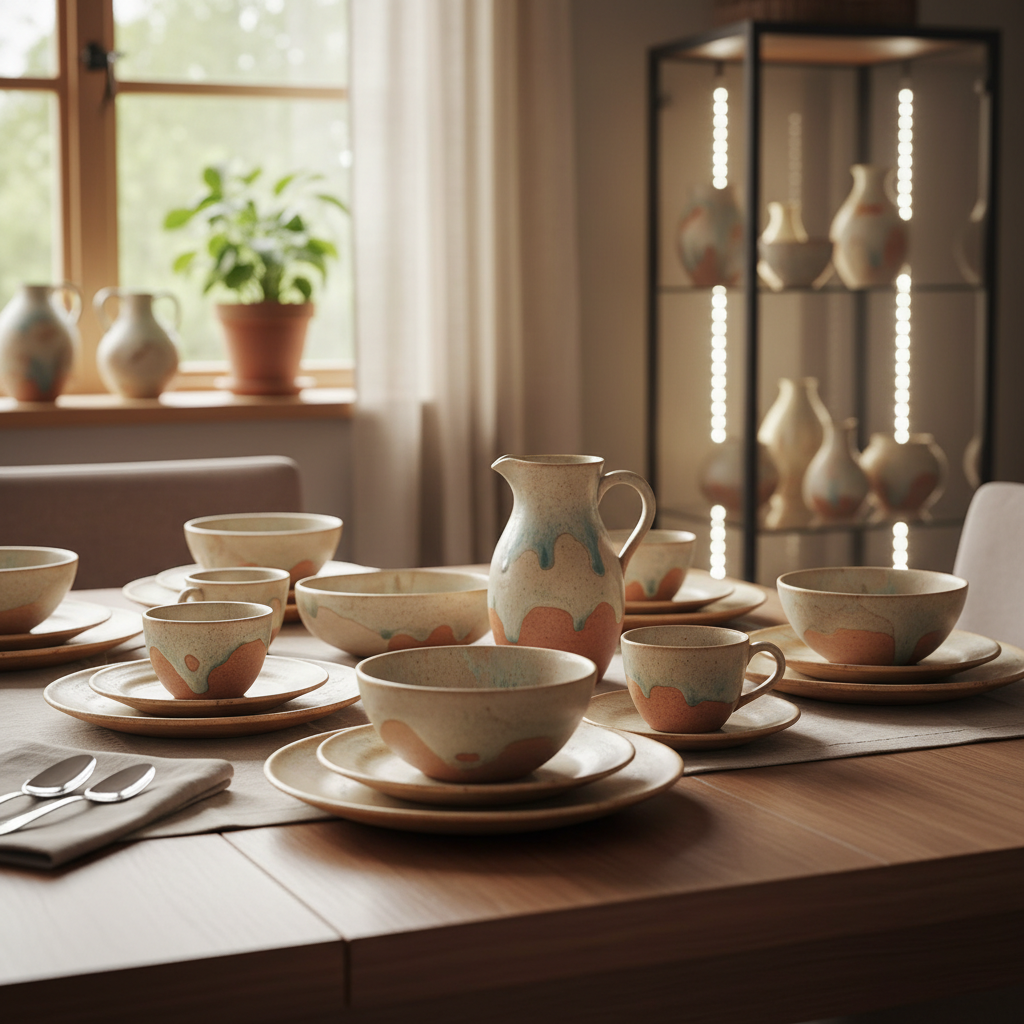
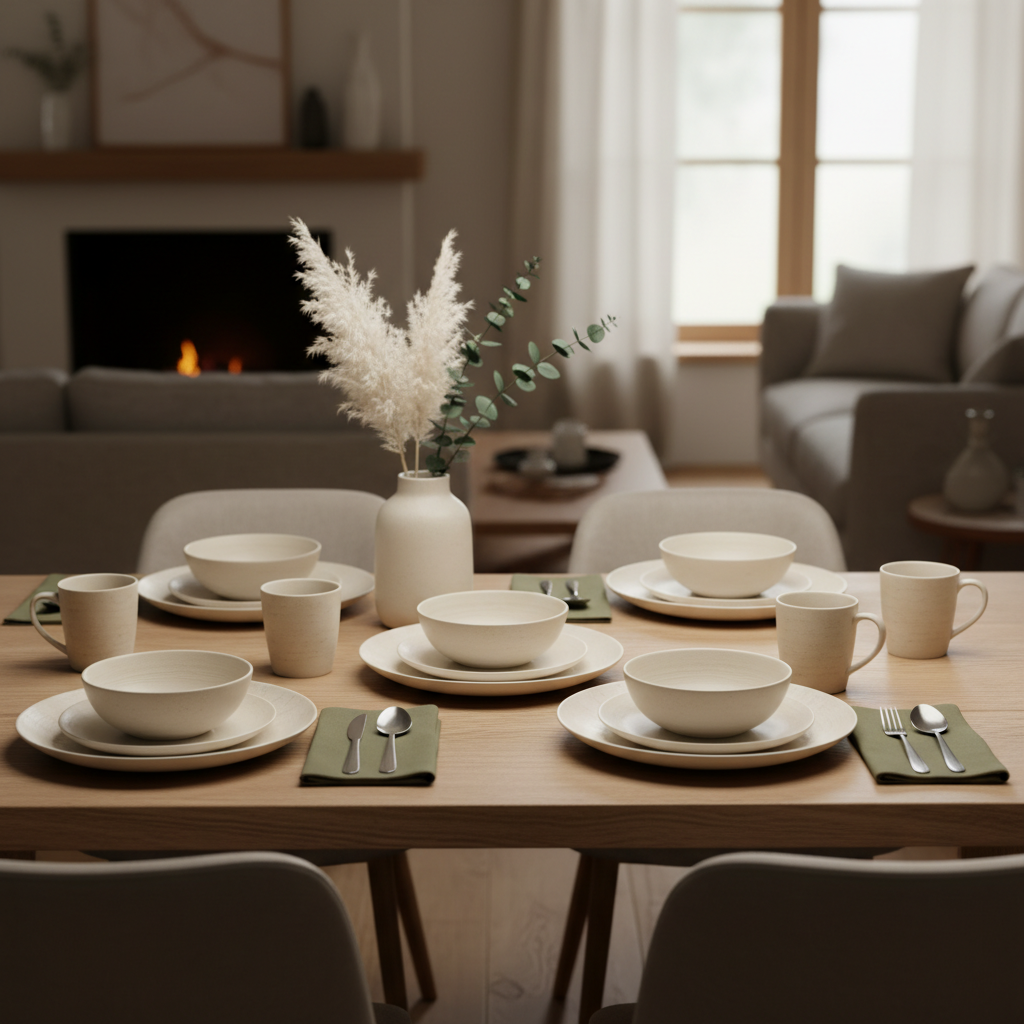
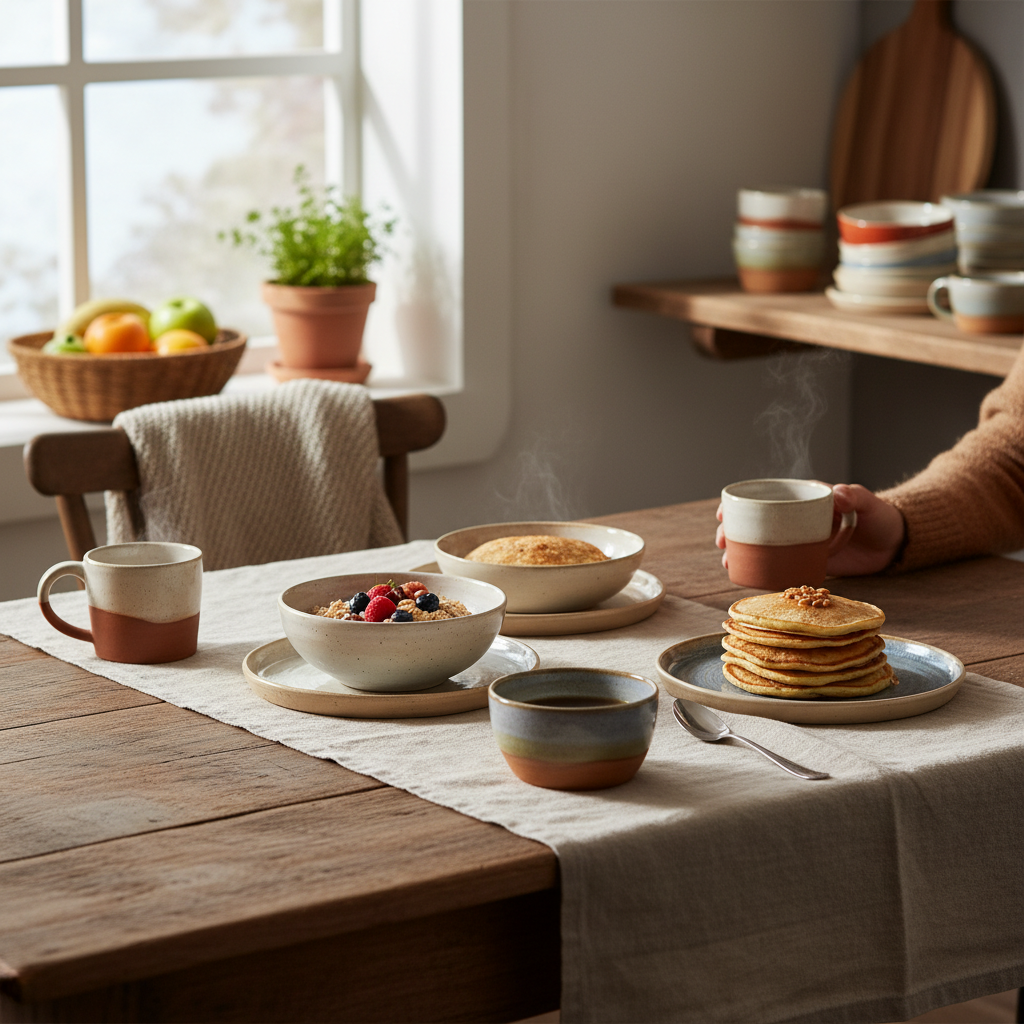
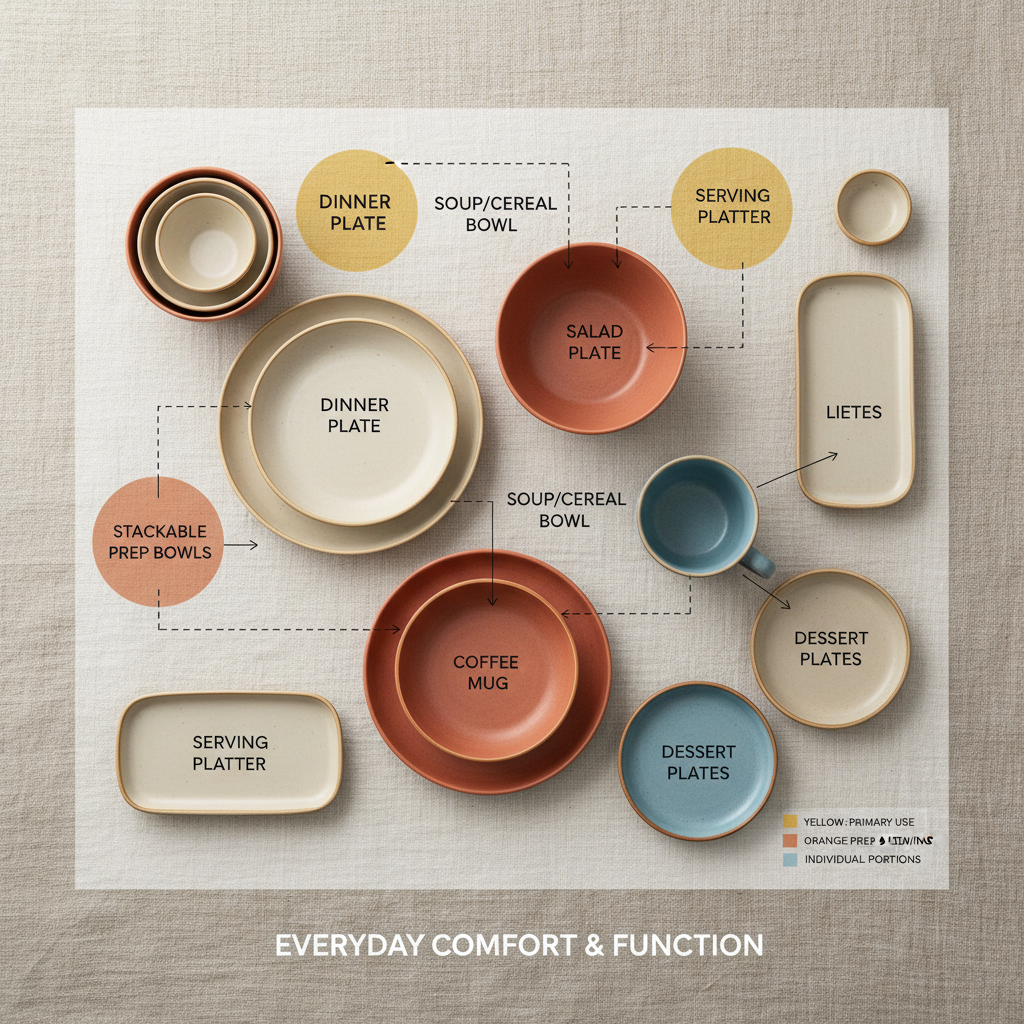
The art of dining is not merely about the food served, but the vessel that carries it. High-quality ceramic pottery dinnerware blends ancestral craftsmanship with modern industrial precision, offering a tactile experience that elevates a simple meal into a sensory event. As consumers shift toward sustainable and artisanal home goods, the demand for durable, aesthetically pleasing pottery has seen a global resurgence.
Understanding the nuances of ceramic production—from the raw clay selection to the final glazing process—is essential for hospitality professionals and homeowners alike. Whether it is the rustic charm of stoneware or the refined elegance of porcelain, the right choice of dinnerware influences temperature retention, food presentation, and overall dining ergonomics.
In an era dominated by disposable plastics and mass-produced synthetics, investing in authentic ceramic pottery dinnerware represents a commitment to longevity and environmental stewardship. By exploring the technical specifications and artistic possibilities of these materials, one can create a dining atmosphere that balances functional reliability with timeless beauty.
Global Industry Context of Ceramic Pottery Dinnerware
The global market for ceramic pottery dinnerware has undergone a significant transformation, evolving from a localized craft to a multi-billion dollar international industry. According to trade data reflecting ISO standards for ceramic products, there is an increasing emphasis on lead-free glazes and thermal shock resistance, as consumers in North America and Europe prioritize health-safe materials. This shift is driven by a growing awareness of chemical leaching in low-grade ceramics, pushing manufacturers toward higher firing temperatures and stricter quality controls.
Despite the rise of synthetic alternatives, the inherent problem of "material fatigue" in plastics has led a resurgence in ceramics. The industry now faces the challenge of balancing mass production efficiency with the unique, handcrafted appeal that defines pottery. As supply chains stabilize, the integration of high-borosilicate elements and advanced glazing techniques is allowing producers to create dinnerware that is both lightweight and incredibly resilient to the rigors of commercial kitchen use.
Defining Quality in Modern Ceramic Pottery Dinnerware
At its core, ceramic pottery dinnerware refers to a broad category of vessels made from clay-based materials that are shaped and then hardened by heat. Unlike simple earthenware, high-quality dinnerware often involves a complex process of refining the clay to remove impurities, ensuring that the final product is non-porous and hygienic. This definition extends from the rustic stoneware used in farmhouse kitchens to the translucent bone china found in luxury hotels.
In the context of modern industry, "quality" is defined by the intersection of durability and aesthetics. The integration of embossed patterns and glazed finishes is not merely decorative; these features often enhance the structural integrity of the piece and provide a barrier against staining and scratching. This makes such dinnerware indispensable for humanitarian needs in large-scale catering and institutional dining where sanitation is paramount.
Furthermore, the connection between traditional pottery and industrial design has birthed new categories, such as high-borosilicate glass hybrids and reinforced glazed ceramics. These innovations allow ceramic pottery dinnerware to withstand extreme temperature fluctuations, bridging the gap between artistic pottery and professional-grade laboratory-standard durability.
Core Components of High-Performance Pottery
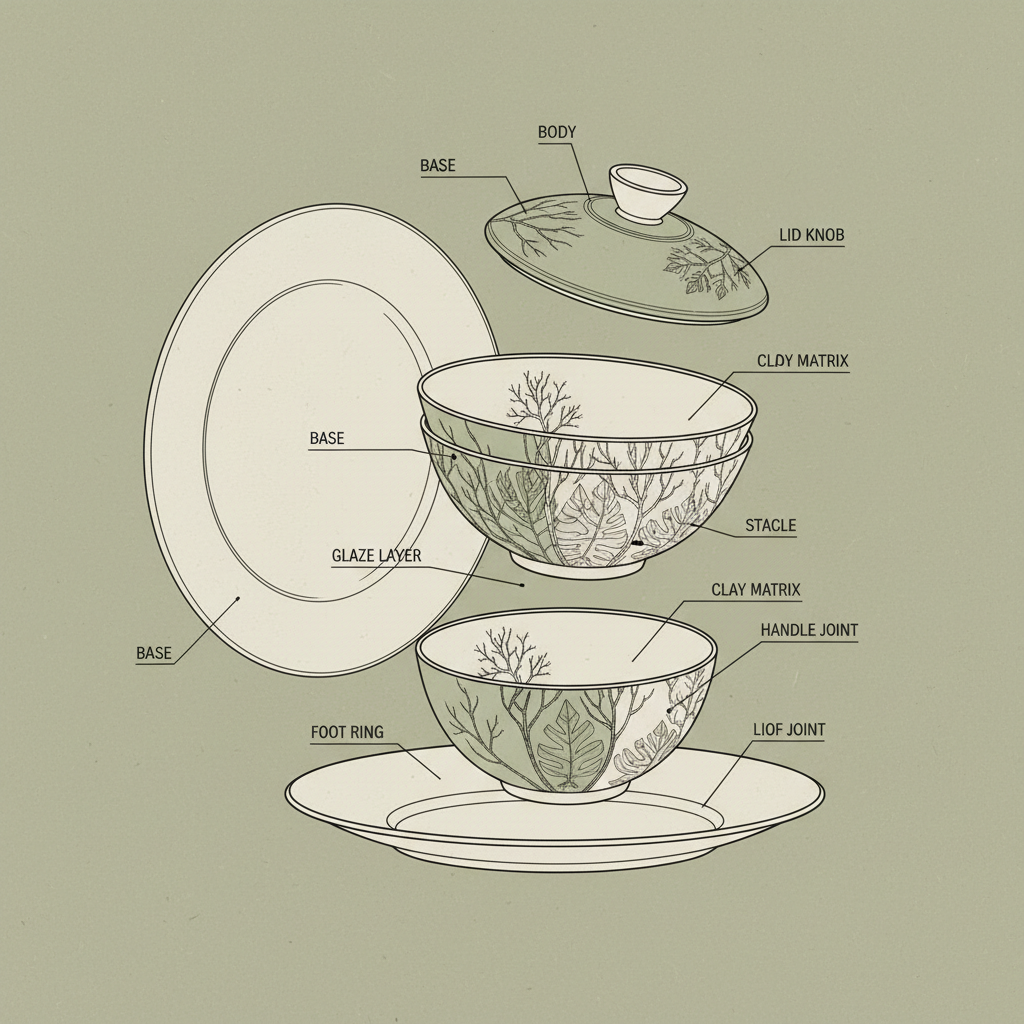
One of the primary factors determining the longevity of ceramic pottery dinnerware is its firing temperature. High-fire ceramics, such as porcelain, are fired at temperatures exceeding 1,200°C, which results in a vitrified body that is almost entirely waterproof and highly resistant to chipping. This technical aspect is crucial for items used in high-traffic environments like restaurants.
The chemical composition of the glaze is the second critical component. A superior glaze doesn't just provide color; it creates a glass-like shield that prevents bacteria from penetrating the clay body. In the realm of ceramic pottery dinnerware, the use of non-toxic, food-safe oxides ensures that the dining experience remains healthy and free from heavy metal contamination.
Finally, the structural geometry and weight distribution of the piece play a role in its practical application. Ergonomically designed handles on mugs and balanced rims on plates reduce the likelihood of accidental breakage. When these factors—firing, glazing, and design—converge, the resulting dinnerware offers an optimal balance of form and function.
Practical Applications Across Global Markets
The application of ceramic pottery dinnerware varies significantly across different sectors. In the luxury hospitality sector of Western Europe, embossed and decorated ceramics are used to convey brand prestige and heritage. Meanwhile, in fast-casual dining chains across Asia, the focus is on high-durability glazed stoneware that can withstand thousands of dishwasher cycles without losing its luster.
Beyond commercial use, these products are vital in specialized environments. For instance, in remote industrial zones or eco-resorts, the transition from plastic to ceramic dinnerware is often a key part of a "zero-waste" initiative. By utilizing high-density ceramics, these organizations reduce their environmental footprint while improving the dignity and psychological well-being of the residents through a more natural dining experience.
Durability and Performance Metrics for Ceramic Pottery Dinnerware
Long-Term Value and Sustainability Benefits
The long-term value of ceramic pottery dinnerware lies in its exceptional lifespan compared to plastic or melamine alternatives. While the initial investment may be higher, the cost-per-use drops significantly over a decade of service. Furthermore, because ceramics are derived from natural minerals, they do not release endocrine-disrupting chemicals into food, providing a health safety margin that is logically superior for families and health-conscious consumers.
From an emotional perspective, the weight and texture of pottery foster a sense of trust and stability. There is an inherent dignity in dining from a piece of art that has been fired in a kiln, which contrasts sharply with the clinical feel of synthetic materials. This psychological value, combined with the ability to recycle ceramic shards into construction aggregate, makes pottery a cornerstone of sustainable modern living.
Future Innovations in Ceramic Manufacturing
The future of ceramic pottery dinnerware is being shaped by the "Green Revolution" in manufacturing. We are seeing a shift toward electric kilns powered by renewable energy, drastically reducing the carbon footprint of the firing process. Additionally, the development of self-healing glazes—materials that can minimize the appearance of micro-scratches—is extending the commercial life of dinnerware sets.
Digital transformation is also playing a role through 3D ceramic printing. This allows for the creation of complex, organic geometries that were previously impossible with traditional molds. Designers can now prototype bespoke pottery sets that optimize weight and balance, reducing the amount of raw material needed while increasing the structural strength of the final product.
Automation in the glazing process, particularly through precision robotics, is ensuring a more consistent application of protective layers. This reduces waste and eliminates the "thin spots" in glaze that often lead to premature chipping, ensuring that every piece of ceramic pottery dinnerware meets a rigorous global standard of excellence.
Overcoming Common Challenges in Pottery Sourcing
One of the most persistent challenges in sourcing ceramic pottery dinnerware is the fragility associated with international shipping. To combat this, industry leaders have implemented advanced honeycomb packaging and biodegradable shock-absorbers that protect the ceramics without adding to landfill waste. This ensures that intricate embossed designs arrive intact from the factory to the end-user.
Another hurdle is the consistency of color across different firing batches. Variations in kiln atmosphere can lead to slight shade differences in glazed products. The solution lies in the adoption of digital colorimetry and strictly controlled atmosphere kilns, which allow manufacturers to guarantee color precision across thousands of units, a critical requirement for hotel chains maintaining a unified brand image.
Lastly, the struggle to find truly lead-free and cadmium-free sources in some regions has led to the rise of third-party certification. By adhering to FDA and EU food contact regulations, reputable suppliers provide transparency that empowers buyers to choose pottery with confidence.
Comparative Analysis of Ceramic Pottery Dinnerware Material Standards
| Material Type |
Porosity Level |
Thermal Resistance |
Commercial Lifespan |
| Fine Porcelain |
Ultra-Low |
Excellent |
10+ Years |
| Glazed Stoneware |
Low |
Very Good |
7-10 Years |
| Bone China |
Very Low |
Good |
8-12 Years |
| Terra Cotta |
High |
Moderate |
3-5 Years |
| Reinforced Ceramic |
Low |
Superior |
12+ Years |
| Earthenware |
Moderate |
Low |
2-4 Years |
FAQS
Unlike many plastics and melamines, high-fired ceramic pottery dinnerware does not contain BPA or phthalates. When glazed with food-safe, non-toxic materials, it is chemically inert, meaning it won't leach harmful chemicals into your food even when exposed to high heat in a microwave or oven. This makes it a significantly healthier choice for long-term daily use.
Check for a "microwave safe" or "dishwasher safe" stamp on the bottom of the piece. Technically, vitrified ceramics (like porcelain and stoneware) are generally safe because they lack porosity and don't absorb water. However, avoid any pieces with metallic rims or gold/silver leaf decorations, as these can spark in a microwave and erode in a dishwasher.
Chipping is usually a result of the firing temperature and the quality of the glaze. Lower-fired earthenware is more porous and brittle. In contrast, high-fired porcelain is denser and more cohesive. Additionally, if the glaze expands and contracts at a different rate than the clay body (crazing), it can create weak points that lead to easier chipping.
It depends on your needs. Handmade pottery offers unique artistic value and a "soul" that mass-produced items lack. However, industrially produced dinnerware ensures absolute consistency in size, shape, and heat resistance, which is critical for stacking in commercial kitchens and ensuring uniform cooking in ovens.
For high-quality glazed ceramics, a paste of baking soda and water is usually sufficient to lift stains without scratching the surface. Avoid using steel wool or harsh abrasive scrubbers, as these can create micro-scratches in the glaze, which will then collect more stains and bacteria over time.
Stoneware is typically thicker, heavier, and has a more rustic, opaque appearance; it is excellent for everyday durability. Porcelain is fired at higher temperatures, is thinner, often translucent, and has a more refined, smooth finish. Porcelain is generally more chip-resistant but can be more expensive to produce.
Conclusion
In summary, ceramic pottery dinnerware represents the perfect marriage of geologic science and artistic expression. From the technical necessity of vitrification and non-toxic glazing to the emotional appeal of artisanal design, ceramics provide a sustainable, healthy, and aesthetically superior alternative to synthetic tableware. By focusing on high-firing standards and ergonomic design, the industry continues to provide value that spans generations.
Looking forward, the integration of green energy in kilns and the precision of 3D printing will only further enhance the accessibility and sustainability of these products. Whether you are equipping a professional restaurant or curating a home collection, prioritizing quality ceramics is an investment in both the environment and the dining experience. We invite you to explore our full range of high-performance kitchenware and dinnerware solutions. Visit our website: www.maixin-kitchenware.com