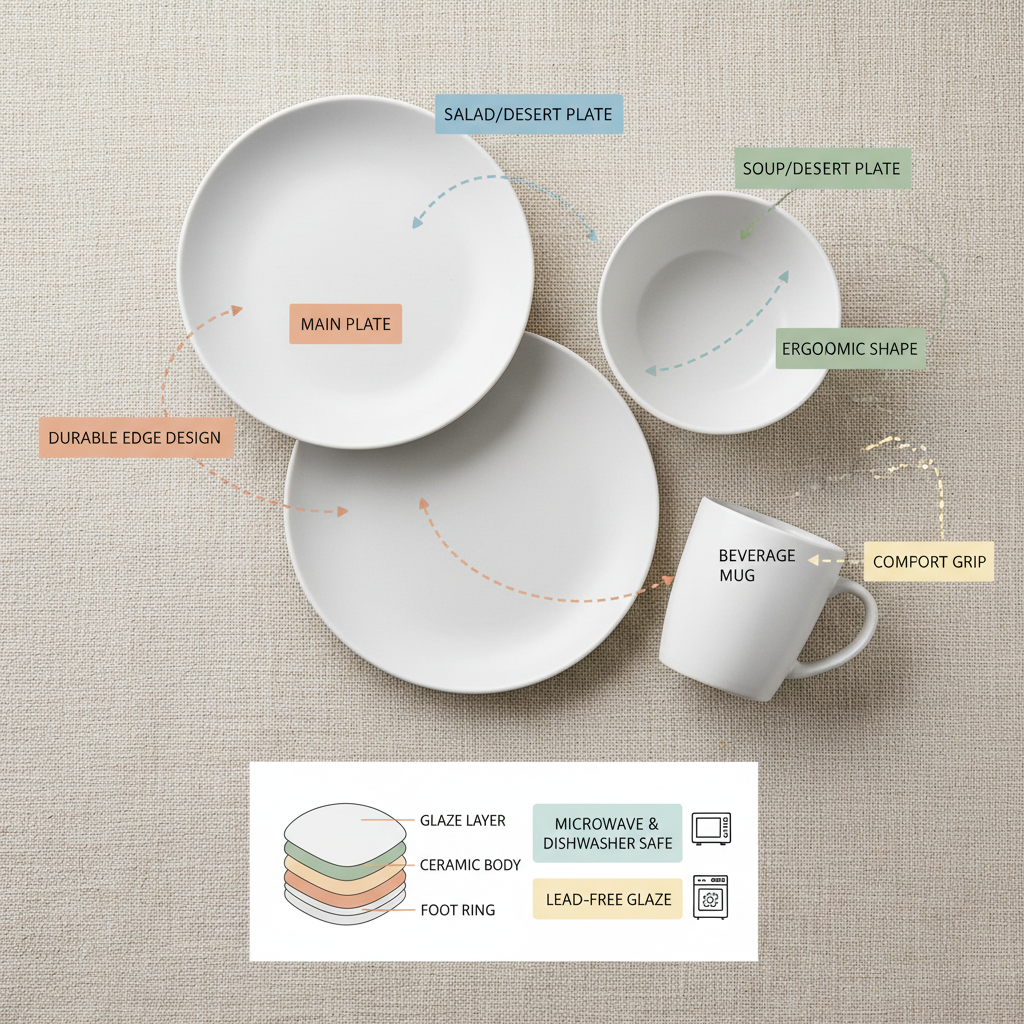
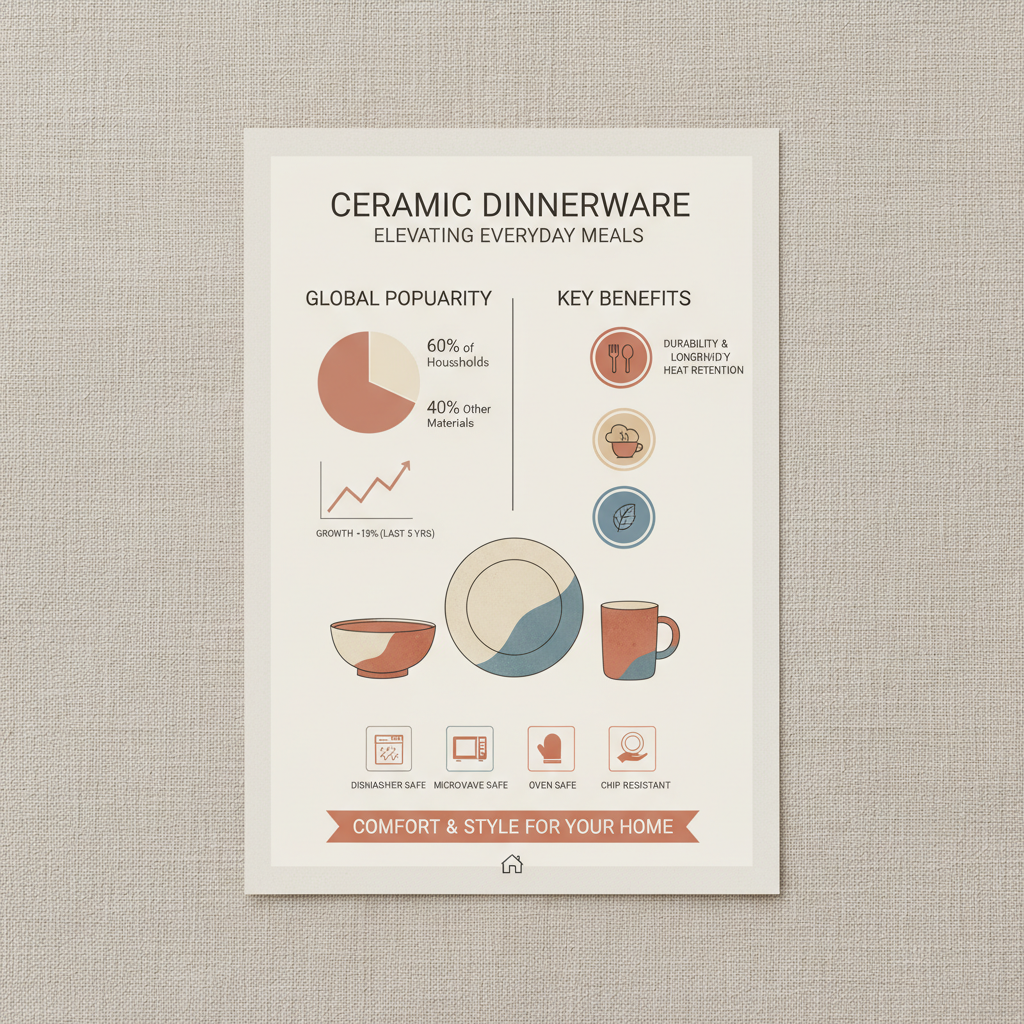
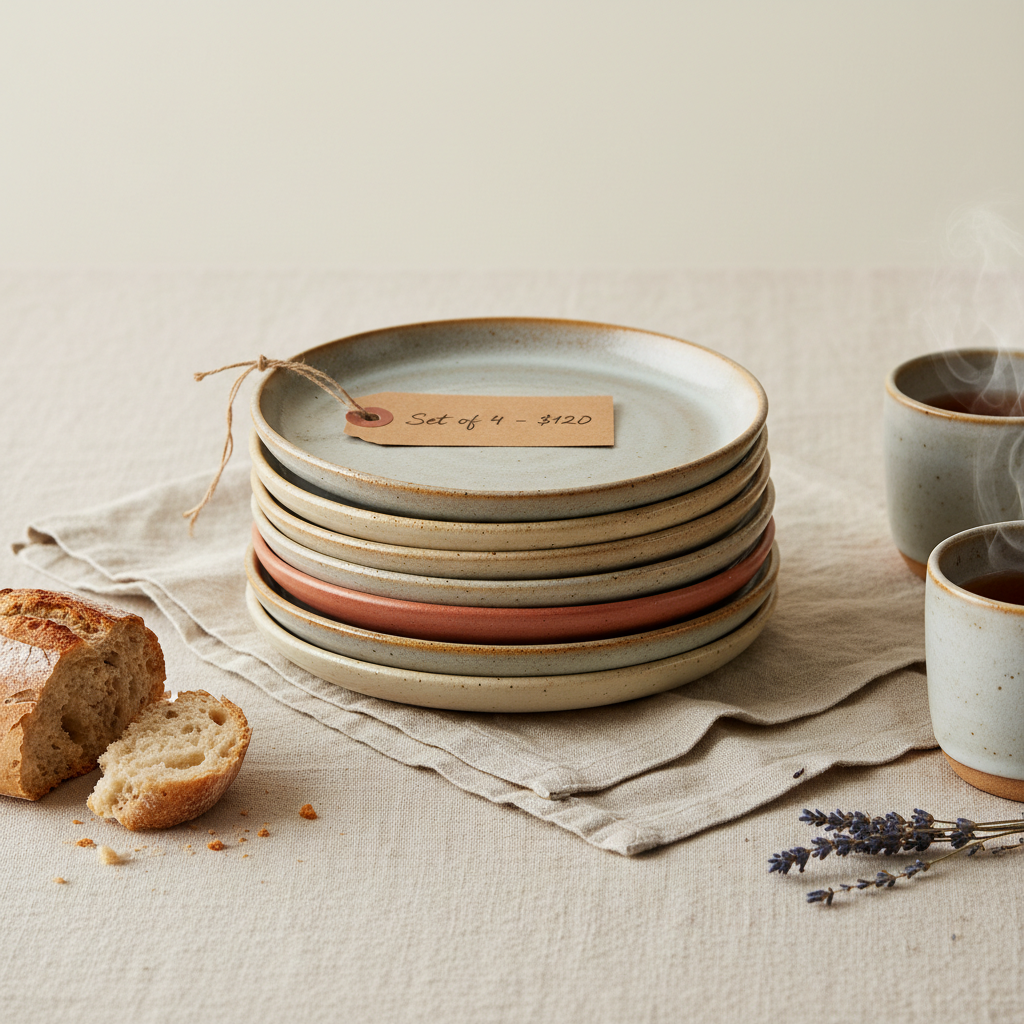
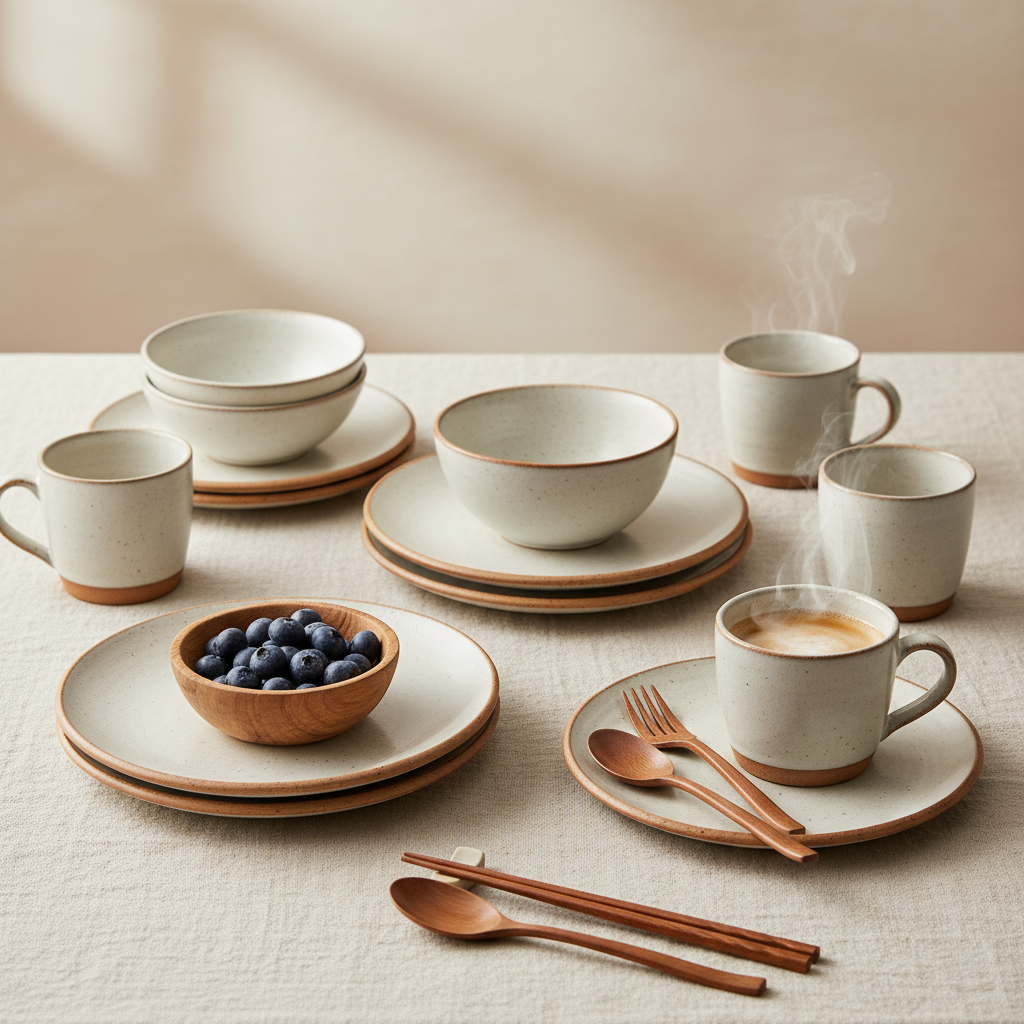
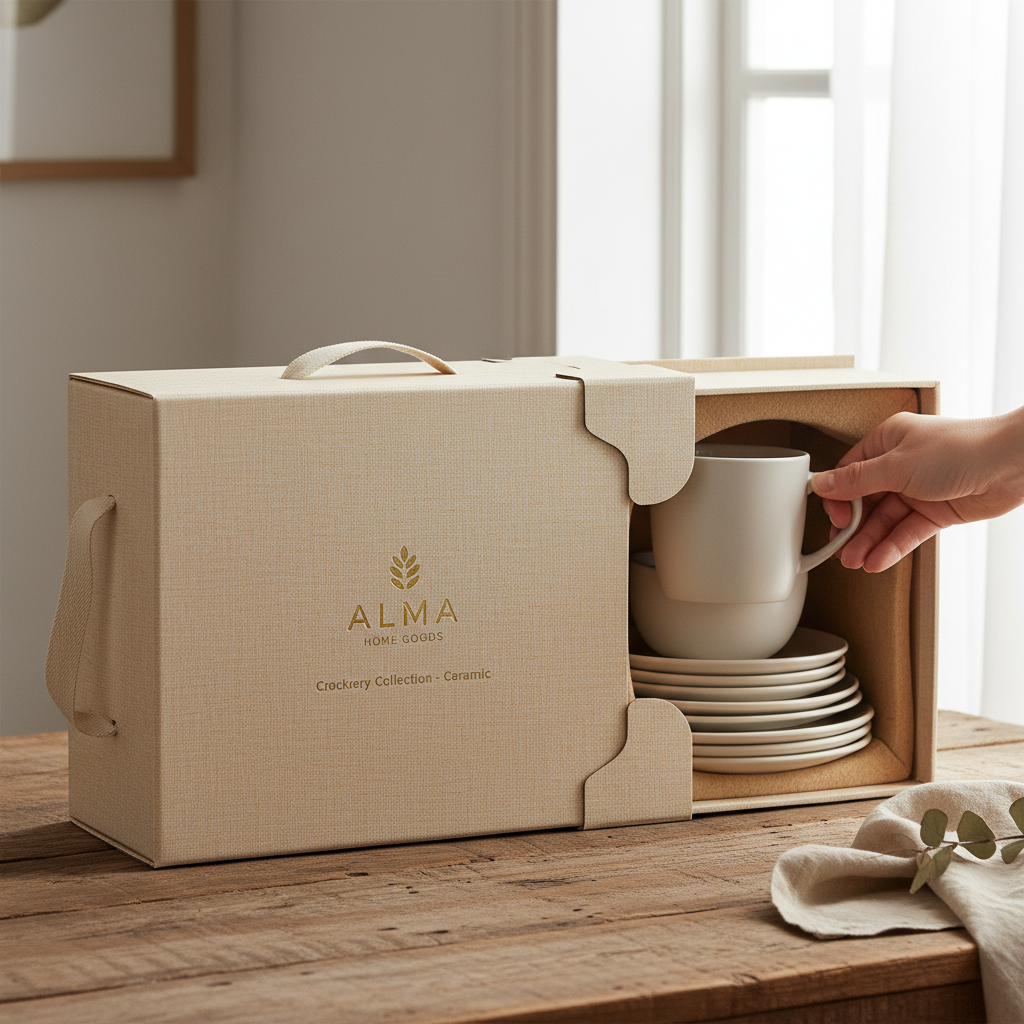
Ceramic dinnerware, encompassing plates, bowls, cups, and serving dishes, is a cornerstone of dining experiences globally. Its enduring popularity stems from a harmonious blend of aesthetic appeal, functional durability, and hygienic properties. The market for ceramic dinnerware is significant, fueled by evolving consumer preferences for both everyday use and special occasions, impacting hospitality industries and home consumers alike.
The global ceramic dinnerware industry is projected to witness continued growth, driven by rising disposable incomes in emerging economies and a growing emphasis on home entertainment. Data from the World Trade Organization indicates a consistent demand for kitchenware, including ceramic products, contributing significantly to international trade. However, challenges such as fluctuating raw material costs and increasing competition necessitate innovation in design and manufacturing processes.
Understanding the nuances of ceramic dinnerware – its composition, manufacturing techniques, and applications – is crucial for businesses and consumers. Choosing the right type of ceramic dinnerware impacts both the dining experience and the long-term cost-effectiveness of kitchen investments. Moreover, responsible sourcing and sustainable production practices are gaining importance in the industry.
The Importance of Ceramic Dinnerware
Ceramic dinnerware has been an integral part of human civilization for millennia, evolving from rudimentary clay pots to exquisitely designed tableware. Its enduring presence is a testament to its practicality and versatility. The material itself—fired clay—offers a unique combination of properties that make it ideal for food service. ceramic dinnerware not only enhances the presentation of food but also contributes to a more enjoyable dining experience.
Beyond its functional role, ceramic dinnerware often represents cultural traditions and artistic expression. Different regions boast unique styles and techniques, reflecting local aesthetics and craftsmanship. From the delicate porcelain of China to the rustic earthenware of Italy, ceramic dinnerware embodies a rich history of culinary arts and artistic innovation.
Defining Ceramic Dinnerware
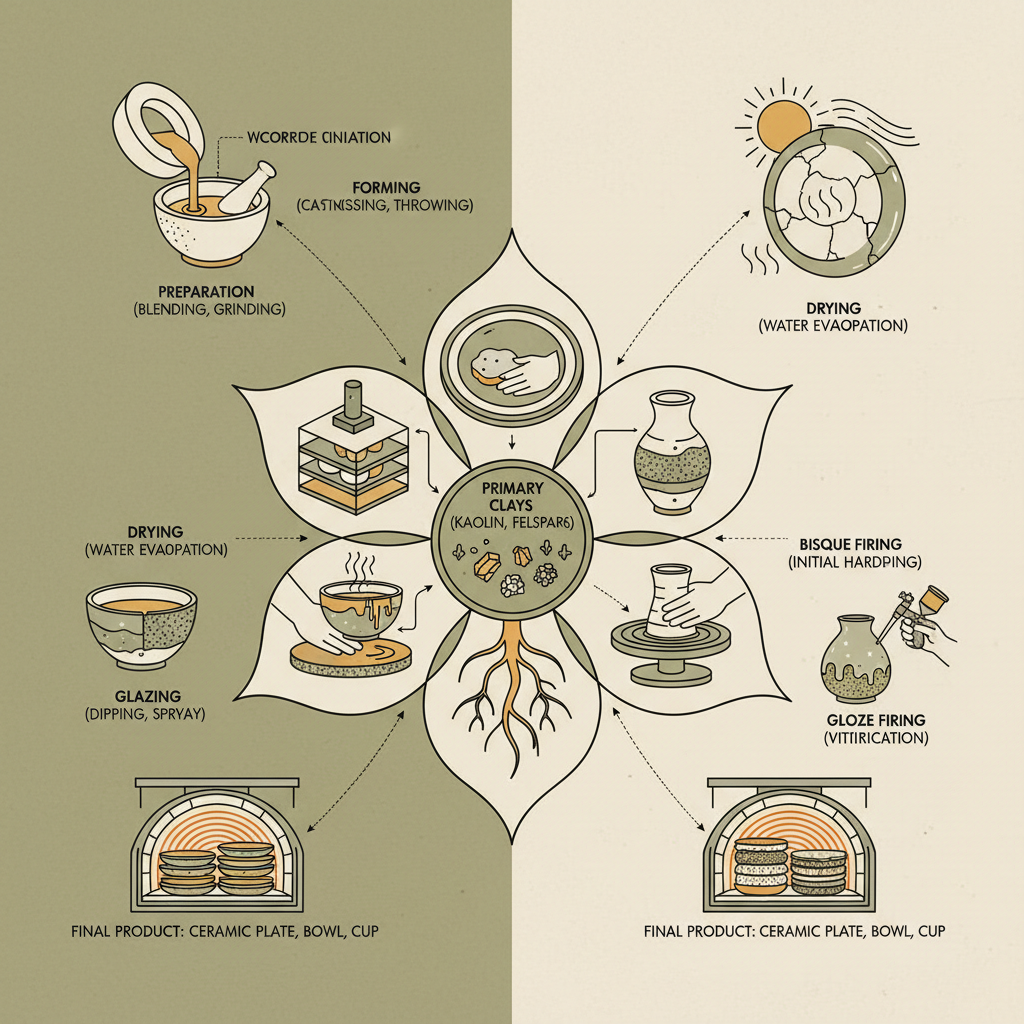
Ceramic dinnerware refers to tableware crafted from inorganic, non-metallic materials, typically clay, shaped and then hardened by firing at high temperatures. The term ‘ceramic’ encompasses a broad range of materials, including earthenware, stoneware, and porcelain, each possessing distinct characteristics regarding porosity, strength, and translucency. This process results in durable, heat-resistant, and food-safe products.
In modern industry, ceramic dinnerware production involves sophisticated techniques like slip casting, pressing, and jiggering. Glazes are applied to provide a decorative finish and enhance functionality, making the surface impermeable and easier to clean. These manufacturing processes are critical in meeting the demands of both mass production and artisanal craftsmanship.
The connection to modern needs lies in the increasing demand for safe, hygienic, and aesthetically pleasing tableware. With growing awareness of food safety standards and a focus on presentation, ceramic dinnerware remains a preferred choice for both commercial and residential settings.
Core Characteristics of Ceramic Dinnerware
One of the key characteristics of ceramic dinnerware is its durability. When fired correctly, ceramic materials become incredibly resistant to chipping, cracking, and breaking, ensuring a long lifespan even with frequent use. The inherent strength of ceramic, particularly stoneware and porcelain, makes it a reliable choice for both everyday dining and formal occasions.
Heat resistance is another crucial property. Ceramic materials can withstand high temperatures without warping or cracking, making them suitable for use in ovens and microwaves (depending on the specific type of ceramic and glaze). This versatility adds to the convenience and practicality of ceramic dinnerware.
Hygiene is paramount in food service. Ceramic surfaces are non-porous when properly glazed, preventing the absorption of bacteria and odors. This makes ceramic dinnerware easy to clean and sanitize, contributing to a safe and healthy dining environment. The smooth, non-reactive surface also preserves the flavor of food.
Applications Across Industries
Ceramic dinnerware finds widespread application in the hospitality industry, including restaurants, hotels, and catering services. Its aesthetic appeal and durability make it ideal for creating a positive dining experience and withstanding the rigors of commercial use. Different types of ceramic are selected based on the establishment's style and budget.
Beyond hospitality, ceramic dinnerware is essential in the food retail sector, used for displaying and presenting prepared meals in supermarkets and delis. The visual appeal of the dinnerware can significantly impact consumer purchasing decisions. In post-disaster relief operations, easily sanitized ceramic dinnerware can provide a crucial element of hygiene and dignity.
Ceramic Dinnerware Application by Method
Advantages and Long-Term Value
The primary advantage of ceramic dinnerware lies in its cost-effectiveness over the long term. While the initial investment may be higher than plastic alternatives, the durability of ceramic translates to reduced replacement costs. This makes it a financially sound choice for businesses and households alike.
Furthermore, ceramic dinnerware contributes to sustainability. Clay is a naturally abundant resource, and ceramic products can be recycled. Choosing responsibly sourced and ethically produced ceramic dinnerware aligns with environmentally conscious consumer practices.
Emerging Trends in Ceramic Dinnerware
A significant trend is the rise of artisanal and handcrafted ceramic dinnerware. Consumers are increasingly seeking unique, personalized pieces that reflect their individual style. This demand is driving a resurgence in small-batch production and collaborative designs.
Another trend is the incorporation of innovative glazing techniques and surface textures. From reactive glazes that create unpredictable color variations to embossed designs that add tactile interest, manufacturers are pushing the boundaries of ceramic aesthetics.
The use of high-performance ceramics, such as alumina and zirconia, is also gaining traction, offering enhanced strength, chip resistance, and thermal shock resistance. This advanced technology is particularly relevant for demanding commercial applications.
Challenges and Innovative Solutions
One of the primary challenges facing the ceramic dinnerware industry is fluctuating raw material costs. Clay prices can be affected by geopolitical factors, environmental regulations, and transportation expenses. To mitigate this, manufacturers are exploring alternative clay sources and optimizing production processes to minimize waste.
Another challenge is the energy-intensive nature of ceramic firing. High temperatures are required to harden the clay, leading to significant energy consumption. Innovative kiln designs and the use of renewable energy sources are helping to reduce the industry's carbon footprint.
Finally, competition from low-cost alternatives poses a constant threat. Manufacturers are responding by focusing on quality, design innovation, and sustainable production practices to differentiate their products and appeal to discerning consumers.
Core Challenges and Potential Solutions in Ceramic Dinnerware Production
| Challenge |
Impact on Ceramic Dinnerware |
Potential Solutions |
Implementation Difficulty (1-5) |
| Raw Material Cost Volatility |
Increased production expenses, impacting pricing. |
Diversifying clay sources, long-term contracts. |
3 |
| High Energy Consumption |
Elevated operational costs, environmental concerns. |
Optimized kiln designs, renewable energy integration. |
4 |
| Competition from Plastics |
Price pressure, market share erosion. |
Focus on quality, design, and sustainability. |
2 |
| Waste Generation |
Environmental impact, increased disposal costs. |
Clay recycling programs, efficient mold design. |
3 |
| Skilled Labor Shortage |
Difficulty maintaining craftsmanship quality. |
Training programs, automation in repetitive tasks. |
4 |
| Supply Chain Disruptions |
Production delays, increased lead times. |
Localized sourcing, diversified supplier network. |
3 |
FAQS
Stoneware and porcelain are both types of ceramic dinnerware, but they differ in composition and properties. Stoneware is denser and more durable, ideal for everyday use. Porcelain is finer, more translucent, and often used for formal dining. Porcelain requires higher firing temperatures and is typically more expensive than stoneware. Both offer excellent hygiene and are suitable for food service, but their aesthetic and functional characteristics cater to different needs.
Generally, most ceramic dinnerware is dishwasher safe, but it's always best to check the manufacturer’s instructions. Microwave safety depends on the glaze used. Some glazes contain metallic compounds that can absorb microwaves and cause damage. If the dinnerware is labeled "microwave-safe," it is suitable for use in the microwave. Avoid using cracked or chipped ceramic dinnerware in either the dishwasher or microwave, as this can worsen the damage.
To prevent chipping, handle ceramic dinnerware with care. Avoid stacking dishes too tightly, as this can cause friction and lead to chips. Use placemats or table linens to cushion dishes during use. When washing by hand, avoid abrupt temperature changes and use a soft sponge or cloth. If minor chips occur, they don't necessarily render the dish unusable, but avoid using severely chipped dinnerware, as it can pose a safety hazard.
Yes, several eco-friendly ceramic dinnerware options are available. Look for dinnerware made from sustainably sourced clay, produced using renewable energy, and finished with lead-free and cadmium-free glazes. Some manufacturers are also incorporating recycled materials into their ceramic products. Supporting brands committed to sustainable practices can help reduce the environmental impact of your tableware choices.
The best ceramic dinnerware for restaurants depends on the establishment's style and budget. Stoneware is a popular choice due to its durability and chip resistance, making it suitable for high-volume use. Porcelain offers a more elegant aesthetic for fine dining. Consider the frequency of replacements, the desired level of formality, and the dishwasher compatibility when making your selection. Investing in high-quality ceramic dinnerware can enhance the dining experience and reduce long-term costs.
Identifying lead-free ceramic dinnerware can be challenging, but look for products labeled "lead-free" or "safe for food use." Reputable manufacturers will often provide certification or testing results to verify the absence of lead and cadmium. Avoid purchasing vintage or antique ceramic dinnerware, as it may contain lead-based glazes. When in doubt, contact the manufacturer directly for clarification.
Conclusion
In conclusion, ceramic dinnerware remains a timeless and essential element of dining culture worldwide. Its unique combination of durability, aesthetics, and hygiene makes it a preferred choice for both residential and commercial applications. Understanding the various types of ceramic, their characteristics, and the latest industry trends is crucial for making informed purchasing decisions and appreciating the artistry behind this ancient craft.
Looking ahead, the ceramic dinnerware industry is poised for continued innovation, driven by a growing demand for sustainable, personalized, and high-performance products. By embracing eco-friendly practices, investing in skilled craftsmanship, and responding to evolving consumer preferences, the industry can ensure its long-term viability and contribute to a more enjoyable and sustainable dining experience. Explore our extensive collection of ceramic dinnerware today!