Selecting the perfect tableware is more than a mere domestic purchase; it is an investment in the art of dining and the longevity of home hospitality. High-quality ceramic dining plates serve as the canvas for culinary creativity, blending functional durability with aesthetic elegance to enhance every meal. Whether for a bustling commercial restaurant or a quiet family dinner, the right choice of ceramics influences not only the presentation of the food but also the overall sensory experience of the guest.
Across the globe, the demand for premium ceramic dinnerware has seen a resurgence as consumers move away from disposable plastics toward sustainable, long-term solutions. This shift is driven by a growing awareness of environmental impact and a desire for materials that are non-toxic and heat-resistant. From the intricate embossed designs of luxury sets to the minimalist appeal of glazed stoneware, ceramic dining plates represent a convergence of ancient craftsmanship and modern industrial precision.
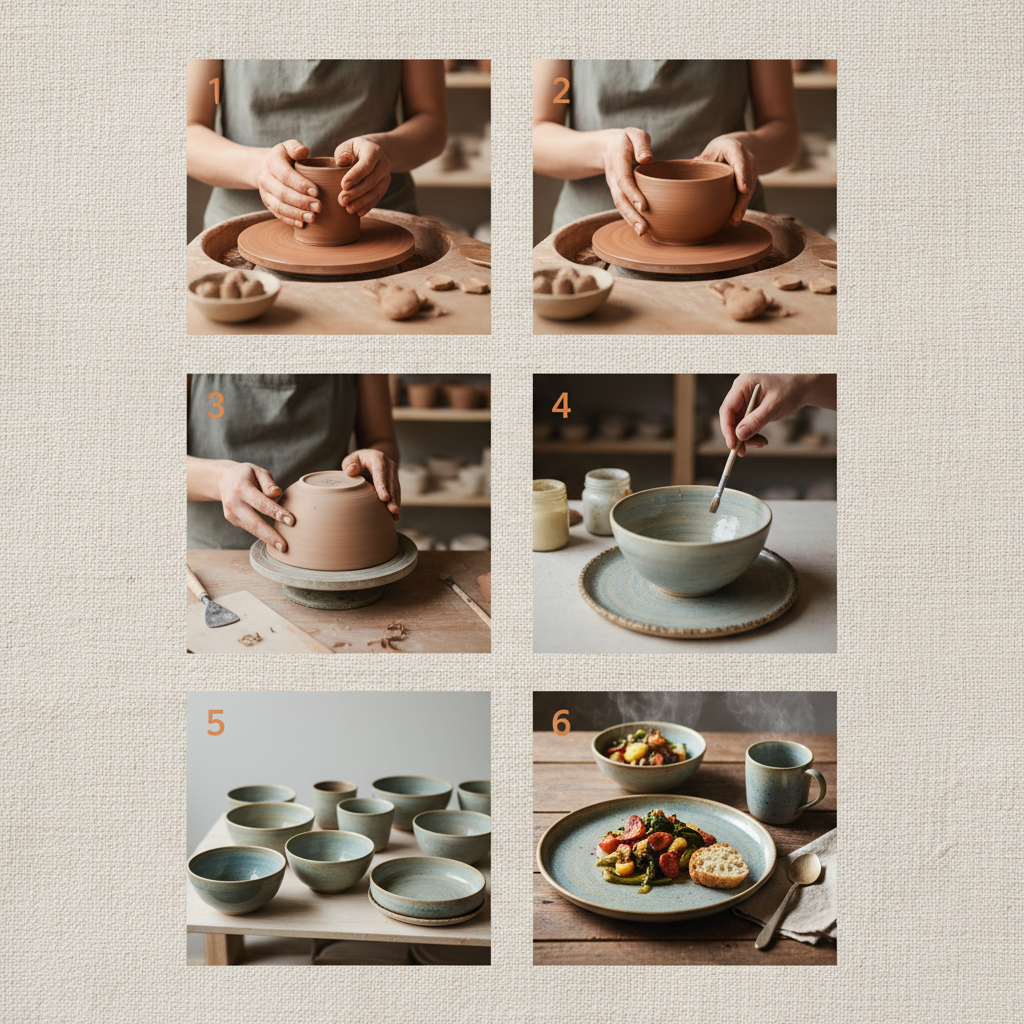
Understanding the nuances of ceramic production—from the raw clay composition to the final glazing process—allows buyers to distinguish between fragile decorative pieces and robust, everyday essentials. By focusing on material integrity and design ergonomics, the industry continues to evolve, ensuring that modern tableware meets the rigorous demands of contemporary kitchens while maintaining a timeless appeal that transcends fleeting interior design trends.
Global Market Context of Ceramic Dining Plates
The global market for ceramic dining plates is currently experiencing a significant transformation, influenced by shifting consumer demographics and a heightened focus on "slow living." According to trade data and ISO standards for ceramic tableware, there is a marked increase in the adoption of high-fired ceramics that offer superior chip resistance and thermal stability. As urban populations grow and the hospitality sector expands in Asia and North America, the need for scalable, high-quality dinnerware solutions has become a priority for both wholesalers and end-users.
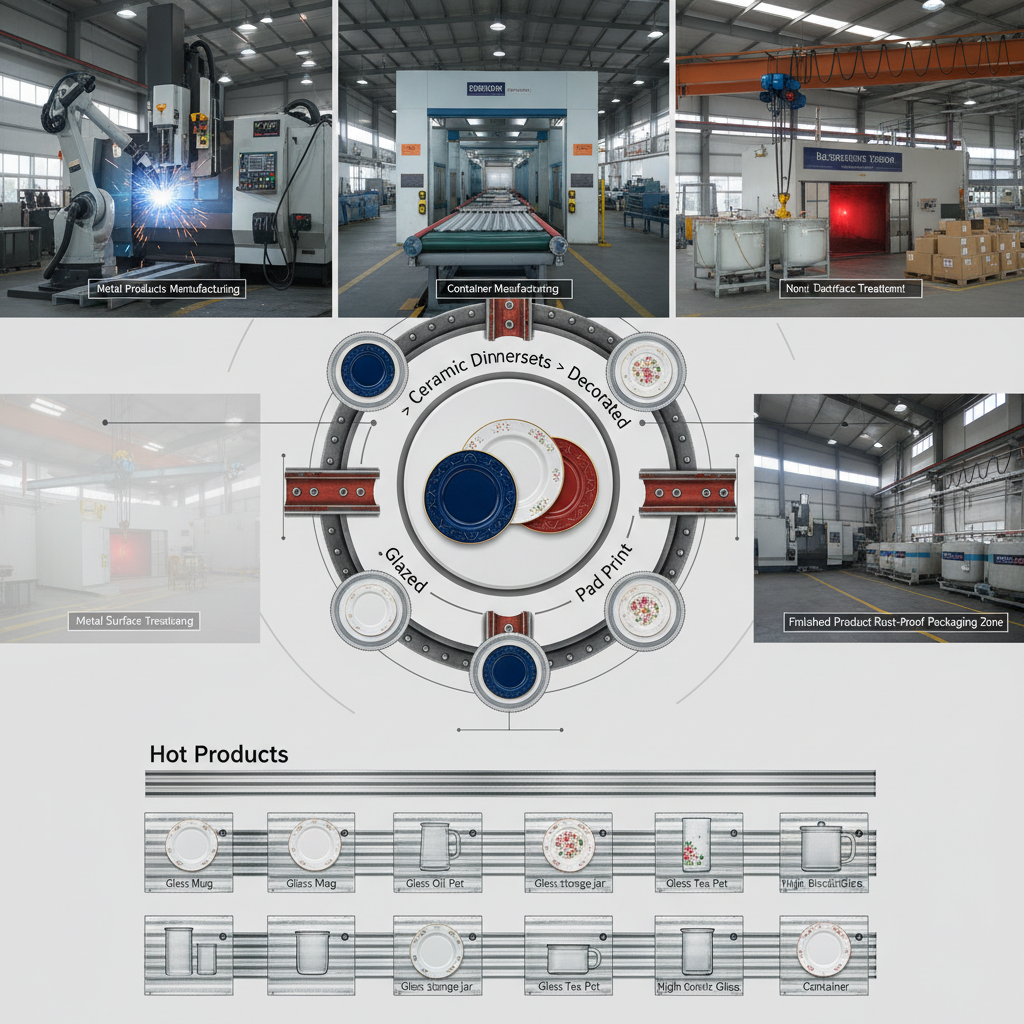
However, the industry faces a critical challenge: balancing mass production with the artisan quality that consumers crave. The pressure to reduce lead times often leads to a compromise in glazing quality or material density. To address this, manufacturers are integrating advanced kiln automation and precision molding, ensuring that every piece of ceramic dinnerware maintains consistent thickness and a flawless finish, thereby reducing waste and increasing the lifecycle of the product in high-turnover environments.
Defining Quality in Modern Ceramic Dinnerware
At its most basic level, ceramic dining plates are crafted from inorganic, non-metallic materials—typically clay—which are shaped and then hardened by heat. In the modern industrial context, "ceramic" encompasses a range of materials including earthenware, stoneware, and porcelain. The primary distinction lies in the firing temperature and the porosity of the finished body; porcelain, fired at the highest temperatures, offers the most refined, translucent, and non-porous result, making it ideal for luxury dining.
Beyond the material, quality is defined by the synergy between the ceramic body and the glaze. The glaze is not merely a decorative layer but a functional shield that prevents the plate from absorbing food odors, resists scratching from cutlery, and ensures the surface is food-safe. A high-quality glazed plate should exhibit a uniform coating without "pinholes" or "crazing" (small cracks), which can harbor bacteria and compromise the hygiene of the dining experience.
In today's humanitarian and industrial contexts, the definition of quality has expanded to include "inclusive design." This means creating ceramic dining plates that are not only beautiful but also ergonomically sound—stackable for space efficiency in crowded urban kitchens and weighted for stability in commercial settings. This evolution ensures that dinnerware serves a practical purpose while enhancing the dignity of the dining experience regardless of the setting.
Core Components of Durable Ceramics
The durability of ceramic dining plates begins with the purity of the raw materials. The blend of kaolin, feldspar, and quartz determines the strength of the plate's structure. High-grade stoneware, for instance, is prized for its density, which makes it far less likely to chip during the rigorous washing cycles of a commercial dishwasher compared to traditional earthenware.
Another critical factor is the firing process. Vitrification—the process where the ceramic becomes glass-like and non-porous—is achieved through precise temperature control. When ceramic dining plates are properly vitrified, they exhibit an incredible resistance to moisture and thermal shock, allowing them to move from a warming cabinet to a dinner table without cracking.
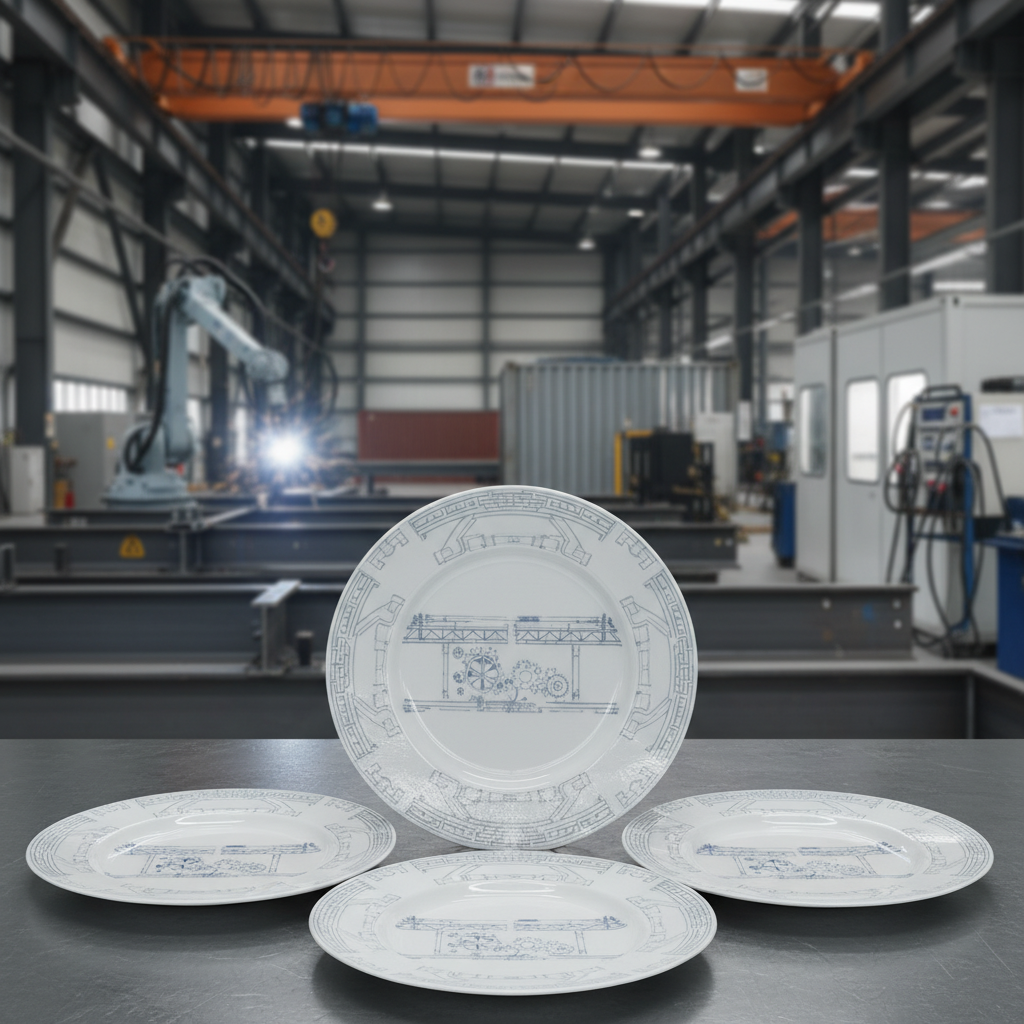
Finally, the surface treatment, including embossing and pad printing, must be integrated into the ceramic body rather than just sitting on top. Embossed patterns that are glazed over provide a tactile experience without creating "dirt traps," while high-temperature pad printing ensures that branding or artistic motifs do not fade after hundreds of uses. This integration of form and function is what defines a professional-grade product.
Practical Applications and Performance Metrics
The application of ceramic dining plates varies wildly depending on the environment. In fine-dining establishments, the focus is on the "visual architecture" of the plate—how the rim's width and the center's depth frame the food. In contrast, for institutional catering or home use, the priority shifts toward scalability and cost-efficiency, where the ability to replace a single broken piece without mismatched sets becomes a key procurement metric.
To quantify performance, industry experts look at the "Mohs scale" for surface hardness and the coefficient of thermal expansion. A plate that can withstand a rapid temperature shift of 100°C without fracturing is considered high-performance. This technical reliability ensures that the dinnerware can handle the demands of a modern kitchen, including microwave heating and industrial sanitization.
Performance Comparison of Ceramic Dining Plates Types
Global Use Cases and Regional Preferences
The use of ceramic dining plates is deeply intertwined with regional culinary cultures. In East Asia, there is a strong preference for smaller, varied plate sizes and intricate glazed patterns that complement multi-course meals. Conversely, in North American and European markets, larger dinner plates with minimalist, neutral tones are more prevalent, reflecting a preference for a single, hearty main course and a "modern farmhouse" aesthetic.
Beyond domestic use, specialized ceramic solutions are deployed in unique environments. For example, in high-end resort zones or remote industrial luxury retreats, heavy-duty ceramics are used to provide a sense of "home and dignity" to residents, contrasting the starkness of their surroundings. Even in disaster-relief luxury transition centers, the introduction of real ceramic dinnerware over disposable options has been shown to improve the psychological well-being of displaced individuals by restoring a sense of normalcy and ritual.
Long-Term Value and Sustainability Benefits
Investing in high-quality ceramic dining plates offers a compelling logical and emotional value proposition. Logically, the cost-per-use of a durable ceramic set is significantly lower than that of lower-grade alternatives that must be replaced every year due to chipping. From a sustainability perspective, ceramics are made from natural earth minerals and, when crafted without lead or cadmium, are completely non-toxic and inert, making them a safer choice for long-term food contact.
Emotionally, the weight and texture of a ceramic plate evoke a sense of stability and trust. Unlike plastic or thin melamine, ceramic retains heat longer, keeping food at the optimal temperature for a more satisfying dining experience. This tactile quality fosters a deeper connection to the meal and the people sharing it, turning a simple act of eating into a mindful ritual.
Furthermore, the longevity of these products directly supports a "zero-waste" lifestyle. By choosing timeless designs and robust materials, consumers reduce the volume of landfill waste generated by "fast-fashion" home decor. The ability to pass down a set of high-quality ceramic dining plates through generations adds a layer of sentimental value that synthetic materials can never replicate.
Future Innovations in Ceramic Tableware
The future of ceramic dining plates is being shaped by the digital transformation of manufacturing. 3D ceramic printing is allowing designers to create geometries—such as complex lattices or organic, flowing edges—that were previously impossible with traditional molds. This allows for a hyper-customization of dinnerware, where plates can be tailored to the specific presentation needs of a Michelin-star chef.
Sustainability is also driving material innovation. We are seeing the rise of "circular ceramics," where waste from the production process is crushed and re-integrated into new clay bodies without losing structural integrity. Additionally, the development of new, eco-friendly glazes that require lower firing temperatures is significantly reducing the carbon footprint of the kilns, aligning the industry with global green energy goals.
Automation and AI are also playing a role in quality control. Computer vision systems can now detect microscopic fissures in a plate's surface that the human eye would miss, ensuring that only flawless ceramic dining plates reach the consumer. This convergence of art and tech ensures that the next generation of tableware will be more durable, more sustainable, and more visually stunning than ever before.
Analysis of Ceramic Material Performance and Market Fit
|
Material Type
|
Thermal Resistance
|
Chip Resistance
|
Primary Market Use
|
| Fine Porcelain |
High |
Medium |
Luxury Hotels |
| Industrial Stoneware |
Medium |
Very High |
Casual Dining |
| Traditional Earthenware |
Low |
Low |
Rustic Home Decor |
| Bone China |
Medium |
High |
Formal Occasions |
| Alumina Ceramic |
Very High |
Extreme |
Institutional Catering |
| Glazed Terracotta |
Low |
Medium |
Artisan Markets |
FAQS
Porcelain is fired at much higher temperatures than stoneware, resulting in a denser, more translucent, and completely non-porous material. While stoneware is heavier and often more chip-resistant, making it ideal for everyday casual use, porcelain offers a more refined, elegant finish suitable for fine dining and formal events.
Most modern high-fired ceramics are safe for both. However, plates with metallic rims (gold or silver leaf) should never be microwaved as they can spark. Additionally, earthenware may be too porous for some high-heat dishwashers. Always check for "vitrified" or "microwave safe" labels to ensure the product's longevity.
To extend the life of your ceramic dinnerware, avoid stacking plates of different sizes or materials directly on top of each other without a protector. Use felt dividers in cabinets and avoid using metal scrubbers during cleaning, which can create micro-scratches in the glaze that eventually lead to chips.
Yes, provided the glaze is food-grade and lead-free. High-quality glazes create an impermeable barrier that prevents acidic foods (like tomato sauce or citrus) from reacting with the ceramic body. We recommend purchasing from certified manufacturers who adhere to international safety standards like ISO or FDA.
Price differences are usually driven by the raw material purity (e.g., bone ash in bone china), the complexity of the design (embossing vs. plain), and the firing process. Hand-painted or uniquely glazed pieces require more labor and have higher failure rates in the kiln, increasing the final market price.
Professional grade plates are typically characterized by their vitrification level, weight balance, and edge reinforcement. They are designed to withstand the "shock" of commercial environments, meaning they have a higher resistance to thermal changes and a harder glaze that doesn't scratch easily under heavy knife use.
Conclusion
In summary, the selection of ceramic dining plates is a decision that balances technical performance, environmental responsibility, and aesthetic desire. From the structural integrity provided by high-temperature vitrification to the timeless appeal of embossed designs, quality ceramics provide long-term value that far exceeds their initial cost. By understanding the distinctions between porcelain, stoneware, and earthenware, and by prioritizing sustainability and ergonomic design, consumers and business owners can create dining experiences that are both functional and inspiring.
Looking forward, the integration of 3D printing and eco-friendly glazing will continue to push the boundaries of what ceramic tableware can achieve. As we move toward a more sustainable future, the enduring nature of ceramics makes them the ideal choice for those seeking to reduce waste without sacrificing luxury. We encourage you to invest in dinnerware that not only serves your food but enhances your lifestyle and respects the planet. Visit our website for premium solutions: www.maixin-kitchenware.com