When it comes to elevating a dining experience, the choice of tableware is more than just a functional decision; it is an expression of culture and aesthetic preference. High-quality dinner bowls ceramic serve as the cornerstone of a well-curated table, offering a blend of timeless elegance and modern durability that caters to both home cooks and professional chefs globally.
Across the international market, the demand for premium ceramic ware has surged as consumers shift toward sustainable, non-toxic materials. From the minimalist designs favored in Nordic interiors to the ornate, embossed patterns characteristic of traditional Asian ceramics, these vessels are designed to preserve heat and enhance the presentation of diverse culinary creations.
Understanding the intricacies of material composition—such as the difference between stoneware, porcelain, and bone china—allows buyers to select the perfect dinner bowls ceramic for their specific needs, ensuring a balance between artistic beauty and the rigors of daily kitchen use.
The Global Evolution of Ceramic Dinnerware
The journey of dinner bowls ceramic spans millennia, evolving from crude clay pots to the sophisticated, high-fired porcelain used in luxury hotels today. This evolution reflects a broader human drive toward refining materials to meet higher standards of hygiene and visual appeal, transforming a basic utility into a form of art.
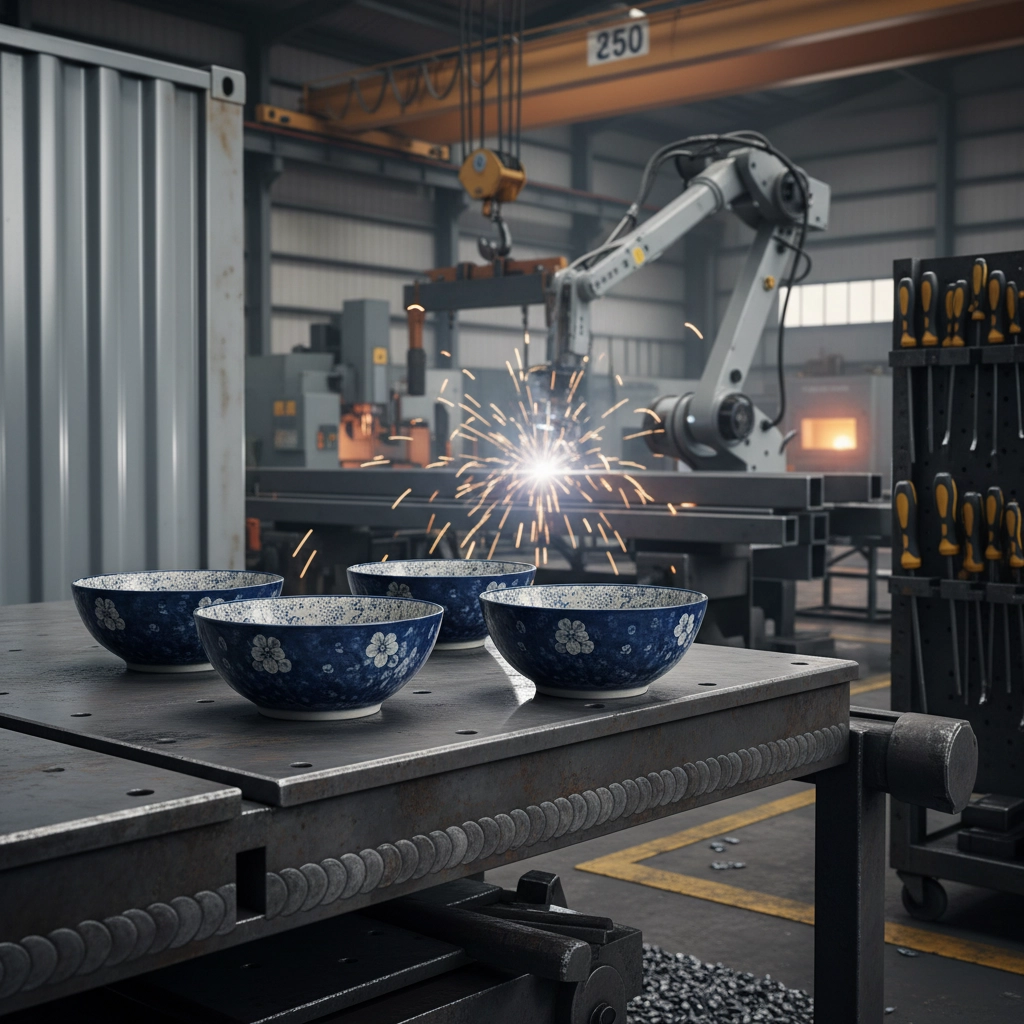
In the contemporary era, the intersection of industrial automation and artisanal craftsmanship has allowed for the mass production of complex shapes and embossed textures without sacrificing quality. This ensures that high-end design is accessible to a wider global audience, bridging the gap between professional catering and home dining.
Material Science and Structural Integrity
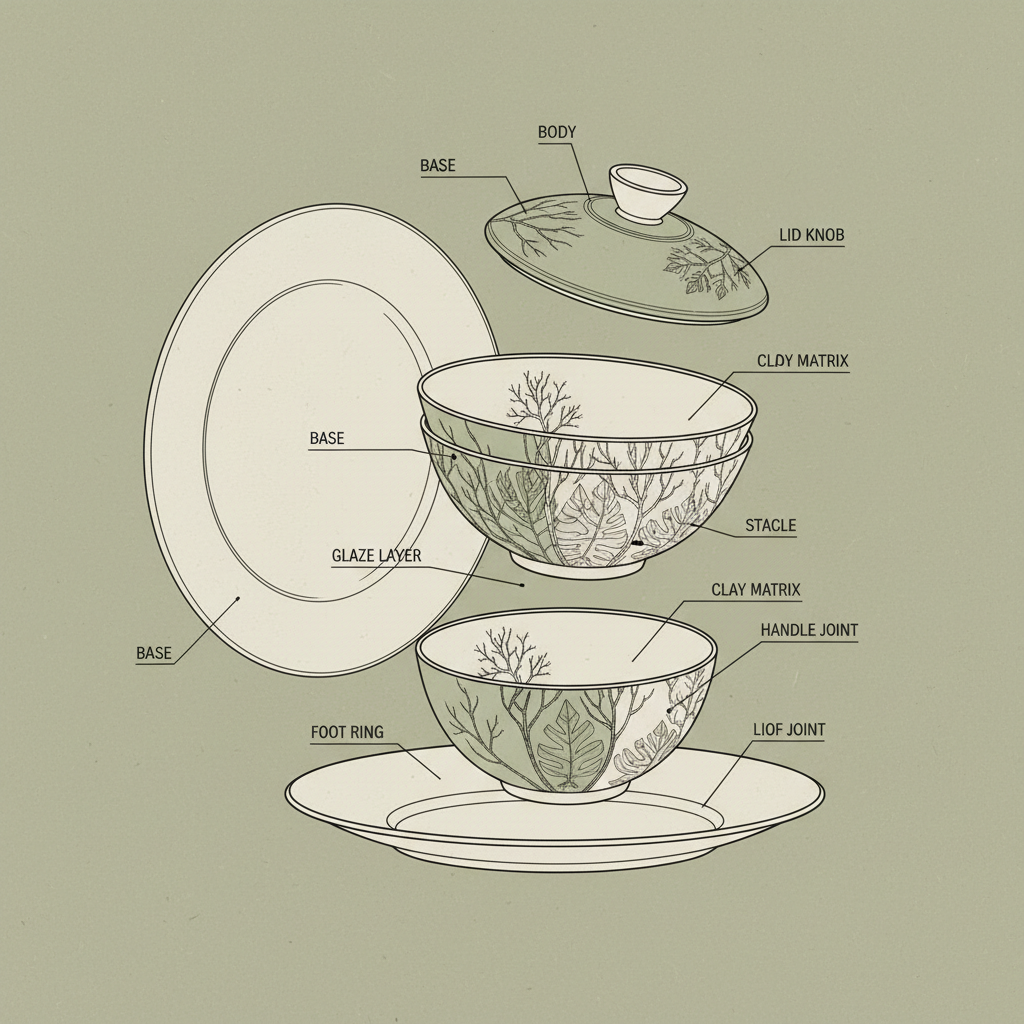
At the heart of every high-quality ceramic bowl is a precise chemical composition. The use of kaolin, feldspar, and quartz determines whether the final product will be a translucent porcelain or a rustic, durable stoneware. For dinner bowls ceramic, achieving the right vitrification—the process where the ceramic becomes non-porous—is critical for preventing liquid absorption and bacterial growth.
Thermal shock resistance is another vital technical parameter. By optimizing the expansion coefficient of the glaze and the ceramic body, manufacturers create bowls that can transition from a refrigerator to a microwave without cracking. This technical reliability is what distinguishes professional-grade kitchenware from decorative pieces.
Furthermore, the application of lead-free and cadmium-free glazes ensures that these products meet stringent international safety standards, such as those set by the FDA and EFSA. This commitment to material purity ensures that the food remains uncontaminated, promoting health and safety for the end consumer.
Design Aesthetics and User Psychology
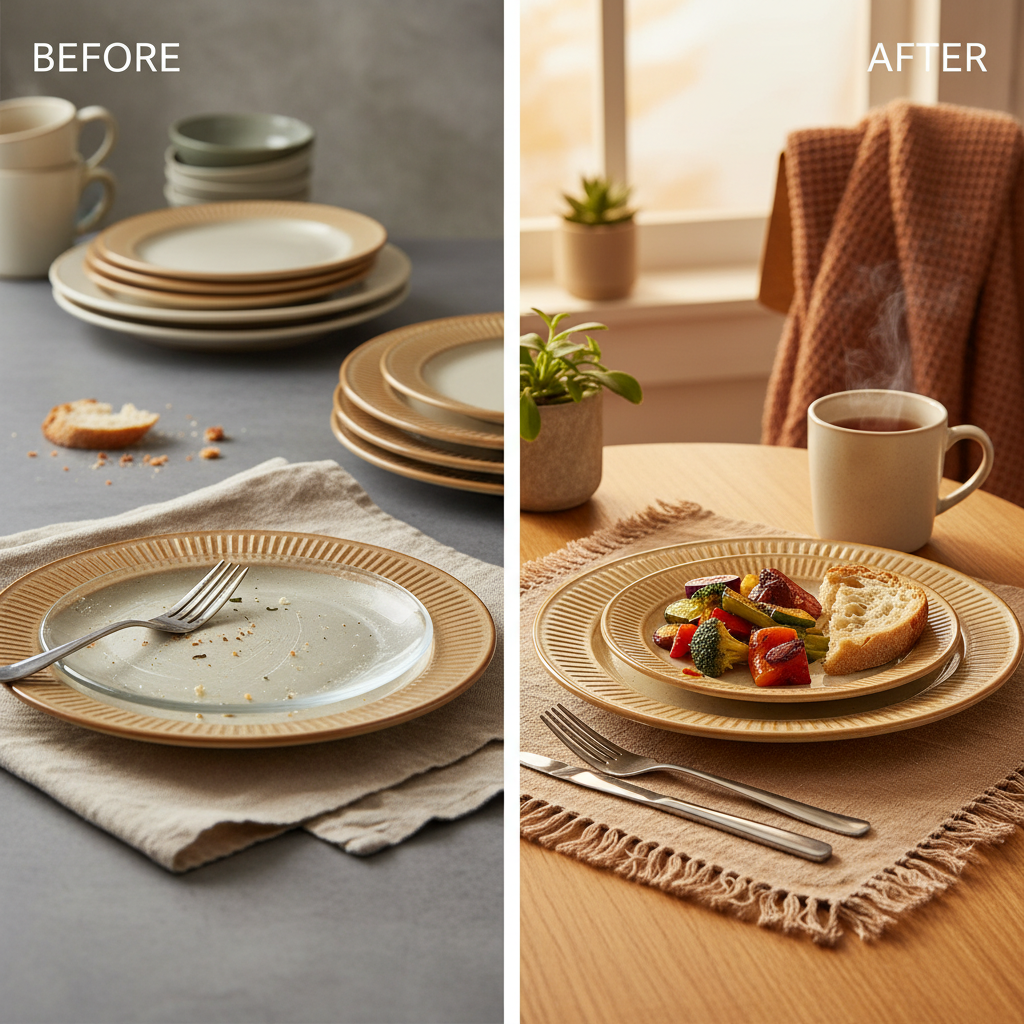
The visual appeal of dinner bowls ceramic significantly impacts the perceived taste of food. Color psychology plays a massive role; for instance, deep blues and earthy greens are often used to evoke a sense of freshness and organic origin, while white porcelain emphasizes the vivid colors of the ingredients.
Beyond color, the tactile experience—such as the feeling of an embossed rim or the smoothness of a glazed finish—creates a psychological connection between the diner and the meal. Ergonomic shaping ensures that the bowls are easy to hold and stack, blending form with effortless function.
Modern trends show a shift toward "wabi-sabi," where slight irregularities in the ceramic surface are celebrated as signs of authenticity. This move toward organic shapes in dinner bowls ceramic reflects a global desire for warmth and humanity in an increasingly digital world.
Performance Metrics in Modern Kitchens
When evaluating dinner bowls ceramic for commercial or residential use, specific performance metrics come into play. Chip resistance, glaze hardness (measured on the Mohs scale), and heat retention are the primary KPIs that determine the longevity of the product in high-traffic environments.
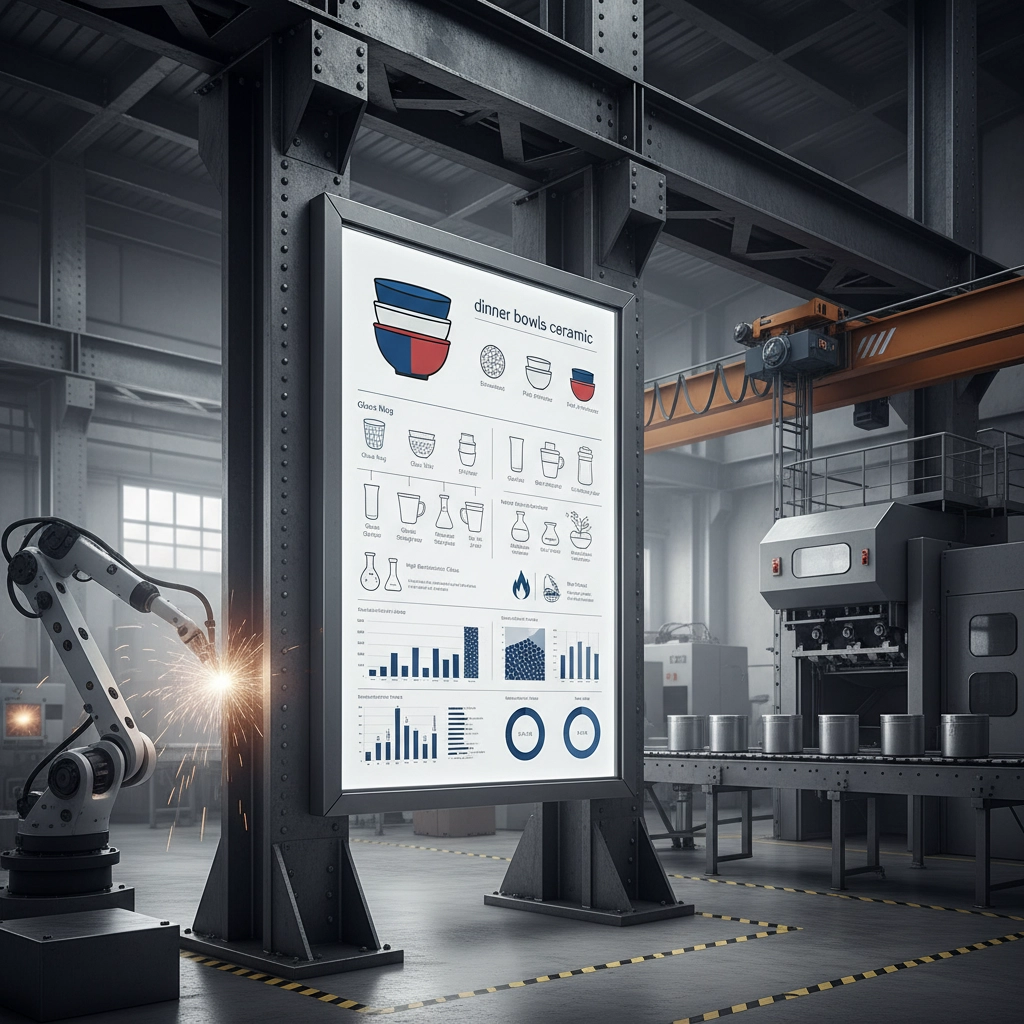
Comparing different manufacturing methods allows us to see how material choices impact real-world performance, particularly in dishwasher stability and microwave safety.
Performance Comparison of Ceramic Bowl Types
Sustainable Manufacturing and Eco-Impact
The production of dinner bowls ceramic is undergoing a green revolution. Manufacturers are increasingly adopting closed-loop water systems to reduce waste and switching to electric kilns powered by renewable energy to lower the carbon footprint associated with high-temperature firing.
Furthermore, the industry is exploring the use of recycled ceramic waste (grog) to reinforce new products, reducing the need for virgin clay extraction. This circular economy approach not only lowers costs but also appeals to the eco-conscious consumer who views their tableware as an extension of their environmental values.
Global Market Applications and Trends
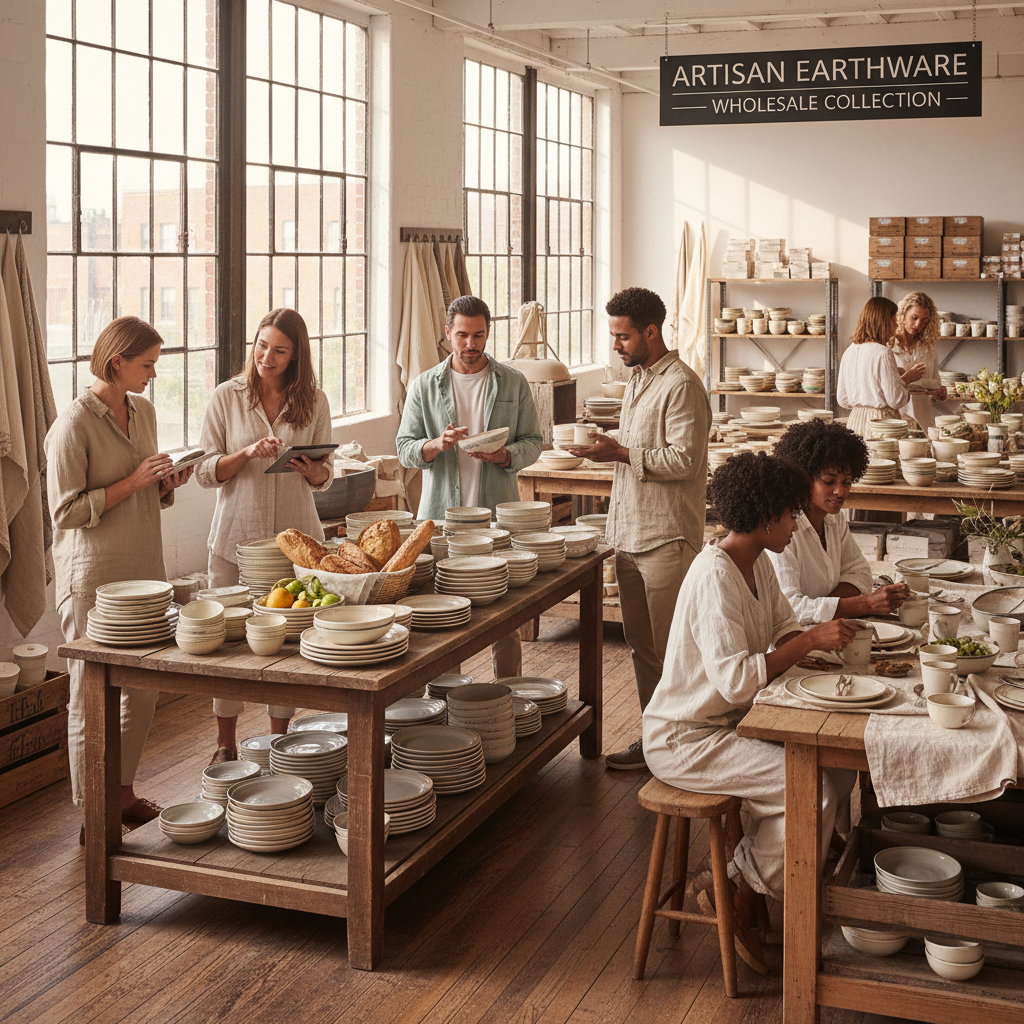
In the hospitality sector, dinner bowls ceramic are engineered for extreme scalability. Hotel chains require consistency across thousands of units, meaning the manufacturing process must be precise enough to ensure every bowl has the exact same volume and weight, allowing for standardized portion control.
In emerging markets, we see a rise in "fusion tableware," where traditional ceramic techniques are blended with modern minimalist shapes. This is particularly evident in the luxury dining scenes of Dubai and Singapore, where ceramic bowls are used as canvases for avant-garde culinary presentations.
Moreover, the growth of e-commerce has forced a redesign in packaging. To ensure that delicate ceramic pieces survive international shipping, new biodegradable shock-absorbent materials are being integrated, ensuring the product arrives intact without contributing to plastic pollution.
Future Innovations in Ceramic Engineering
The future of dinner bowls ceramic lies in the integration of nanotechnology. Experimental glazes are being developed that are "self-cleaning" or completely scratch-proof, virtually eliminating the wear and tear caused by metal cutlery over time.
Additionally, 3D printing in ceramics is opening doors to geometries that were previously impossible to achieve with traditional molds. This allows for hyper-customized dinnerware tailored to specific dietary needs or artistic installations, pushing the boundaries of what a "bowl" can be.
As we move toward a more sustainable future, the development of low-fire ceramics that maintain the strength of high-fire porcelain will drastically reduce the energy required for production, making luxury ceramic ware more sustainable and affordable.
Analysis of Future Ceramic Material Trends
| Material Type |
Innovation Key |
Expected Durability |
Market Adoption |
| Nano-Glazed Ceramic |
Scratch Resistance |
High (9.5/10) |
Emerging |
| 3D Printed Porcelain |
Custom Geometry |
Medium (7/10) |
Niche/Luxury |
| Low-Fire Eco-Clay |
Energy Efficiency |
Medium (8/10) |
Rapid Growth |
| Recycled Composite |
Circular Economy |
High (8.5/10) |
Moderate |
| Thermal-Active Ceramic |
Heat Retention |
High (9/10) |
Experimental |
| Anti-Bacterial Glaze |
Hygiene Enhancement |
High (8/10) |
High |
FAQS
Yes, most high-quality dinner bowls ceramic are designed for both. However, it is crucial to ensure they are glazed and fired at high temperatures (vitrified). Avoid bowls with metallic rims or gold leaf decorations, as these can cause sparking in the microwave. Always check for the "Microwave Safe" and "Dishwasher Safe" labels on the bottom of the piece.
Porcelain is fired at higher temperatures, resulting in a denser, more translucent, and generally more delicate finish. Stoneware is typically thicker, more opaque, and has a rustic appearance. For daily heavy-duty use, stoneware is often preferred for its ruggedness, whereas porcelain is chosen for formal dining due to its refined elegance and smooth surface.
To extend the life of your dinner bowls ceramic, avoid stacking them directly on top of each other without a protective layer, such as a felt pad or paper towel. Use silicone mats in the dishwasher to prevent bowls from knocking against one another during the wash cycle, and avoid sudden temperature swings (e.g., placing a frozen bowl in boiling water).
While most modern commercial ceramics are lead-free, some artisanal or vintage pieces may contain lead or cadmium. When purchasing, always look for certifications that guarantee the products are lead-free and compliant with FDA or EU food contact standards. Professional manufacturers prioritize non-toxic glazes to ensure long-term health and safety.
Thicker stoneware and high-fire ceramics generally have better heat retention properties than thin bone china. The density of the material allows it to absorb and hold thermal energy longer, making these dinner bowls ceramic ideal for soups, stews, and warm porridge.
For stubborn stains, a paste of baking soda and water is highly effective. Apply the paste to the stained area, let it sit for 15 minutes, and scrub gently with a soft sponge. For deeper stains, a mixture of white vinegar and water can help dissolve mineral deposits without scratching the protective glaze of your ceramic ware.
Conclusion
The selection of dinner bowls ceramic is a synthesis of material science, artistic design, and functional engineering. From the critical importance of vitrification for hygiene to the psychological impact of color and texture on the dining experience, these vessels are far more than simple containers. By balancing durability, sustainability, and aesthetic appeal, the modern ceramic industry continues to redefine how we interact with food and each other at the table.
As we look toward a future of nanotechnology and 3D printing, the potential for even more resilient and personalized tableware is immense. Whether you are a homeowner seeking timeless beauty or a business owner requiring industrial-grade reliability, investing in high-quality ceramic dinnerware is a commitment to longevity and quality. Explore our premium collections to find the perfect match for your culinary vision. Visit our website: www.maixin-kitchenware.com