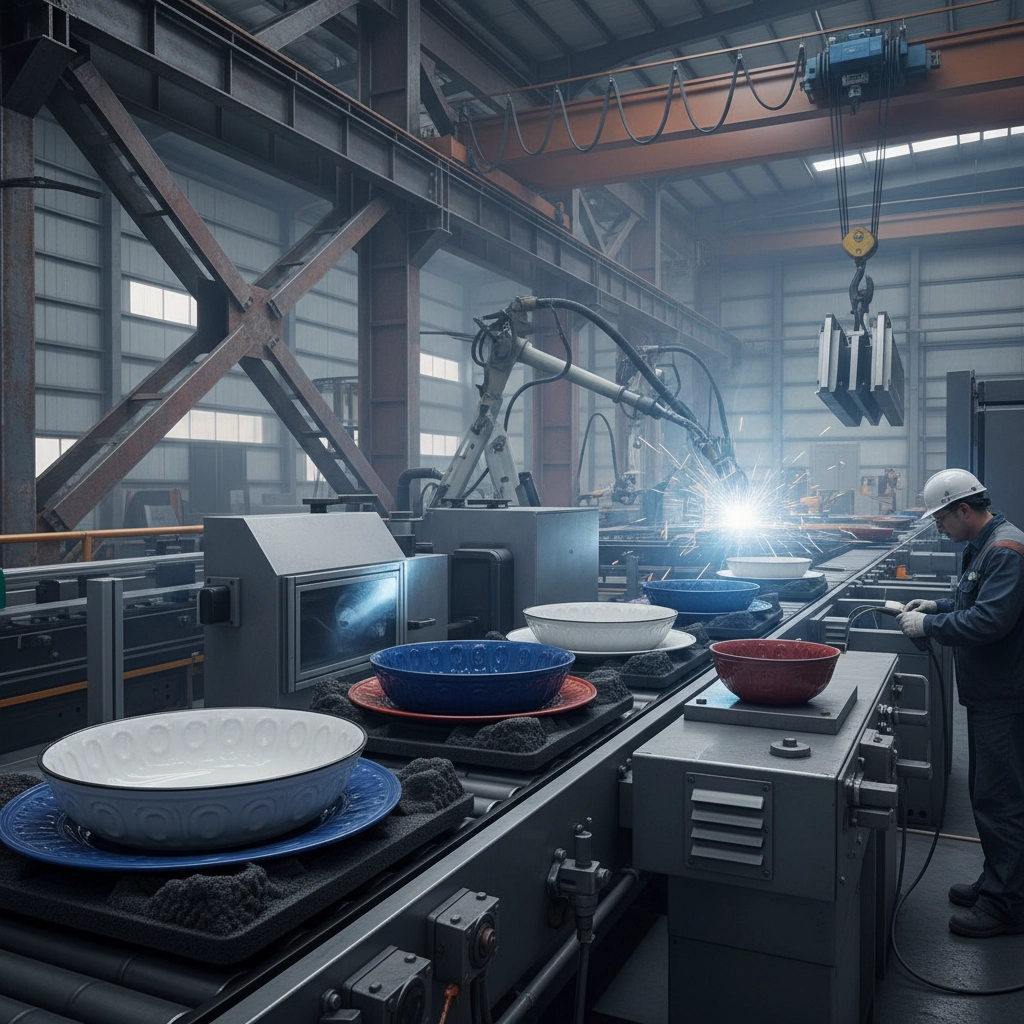
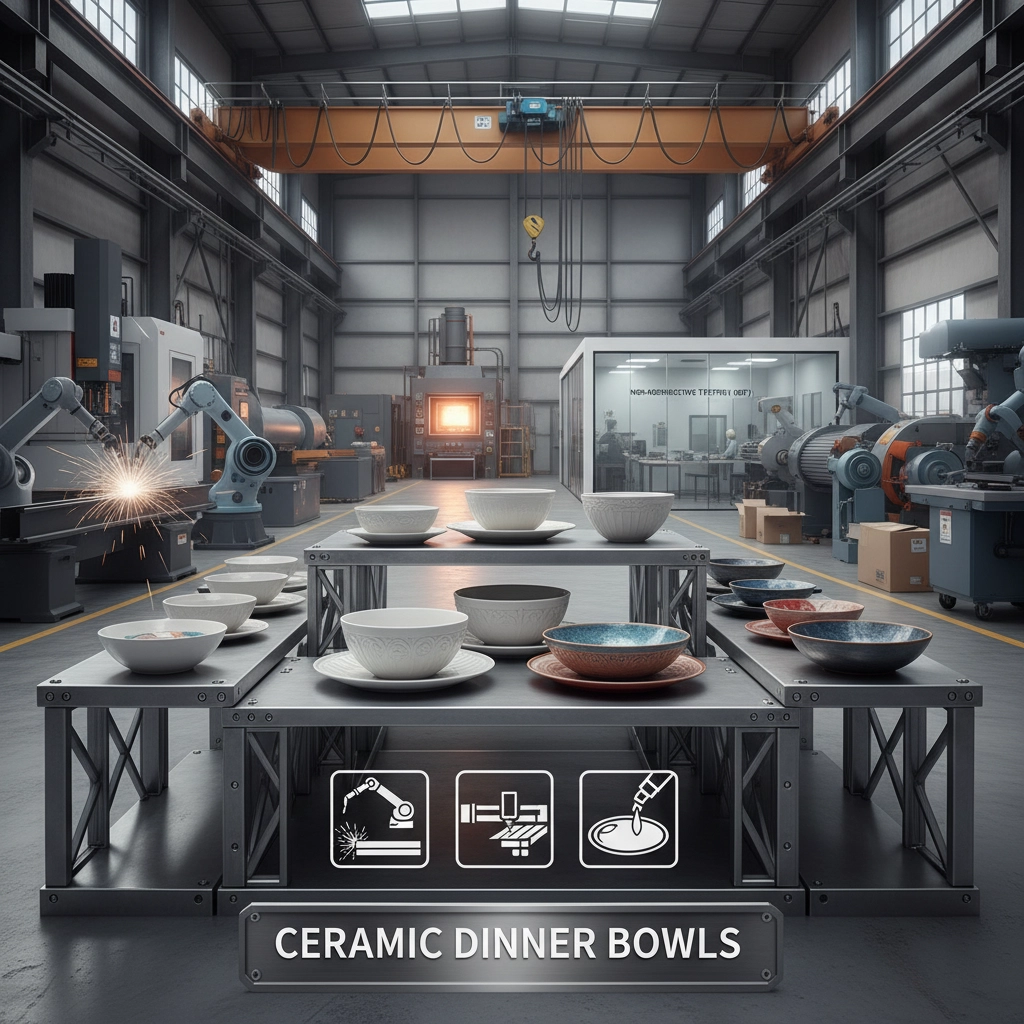
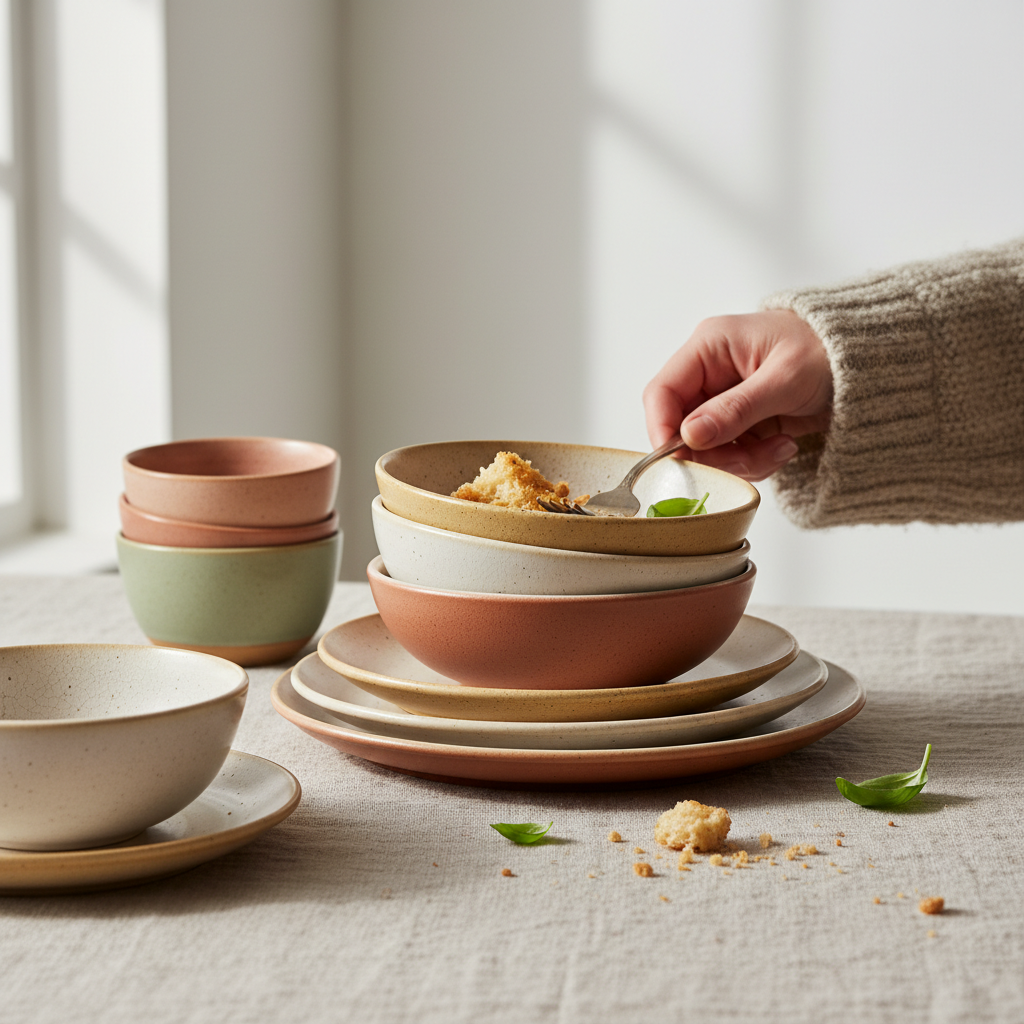
Selecting high-quality ceramic dinner bowls is more than a simple purchase; it is an investment in the dining experience and the longevity of your kitchenware collection. In the modern culinary landscape, the intersection of aesthetic appeal and functional durability defines the value of tableware, making the choice of materials and glazes critical for both home users and professional hospitality services.
Across the globe, the demand for versatile and safe food containers has surged, leading to a resurgence in traditional ceramic craftsmanship integrated with modern industrial precision. Whether it is for a minimalist Nordic-style home or a high-traffic restaurant in a metropolitan hub, ceramic dinner bowls provide a non-reactive, heat-retaining solution that enhances the flavor and presentation of diverse cuisines.
Understanding the nuances of ceramic production—from the raw clay composition to the final firing temperature—allows consumers and businesses to optimize their procurement strategies. By focusing on E-E-A-T principles (Experience, Expertise, Authoritativeness, and Trustworthiness), this guide explores how these essential kitchen components contribute to sustainable living and elevated dining standards worldwide.
Global Market Context of Ceramic Dinner Bowls
The global market for ceramic dinner bowls has witnessed a significant shift toward eco-friendly and health-conscious dining. According to industry trends aligned with ISO standards for ceramic ware, there is an increasing preference for lead-free and cadmium-free glazes, driven by stringent health regulations in the EU and North America. This shift reflects a broader humanitarian need to reduce toxicity in everyday consumer products.
However, the industry faces a constant challenge: balancing the fragile nature of traditional ceramics with the high-volume demands of the global hospitality sector. The rise of "fast-casual" dining has created a gap where traditional artisanal bowls are too delicate, while low-grade industrial versions lack the aesthetic appeal required for modern branding. This has spurred a wave of innovation in material science to create more resilient yet beautiful ceramic solutions.
Defining Ceramic Dinner Bowls and Industrial Standards
In simple technical terms, ceramic dinner bowls are vessels crafted from inorganic, non-metallic materials, typically clay, which are shaped and then hardened by high-temperature firing in a kiln. Depending on the firing temperature and the type of clay used, these are further categorized into earthenware, stoneware, and porcelain, each offering different levels of porosity and strength.
From an industrial perspective, these bowls are not merely kitchen tools but are critical components of a home's functional infrastructure. They connect traditional art with modern food safety needs, ensuring that chemicals do not leach into hot foods. In humanitarian contexts, the move toward durable ceramics helps reduce the reliance on single-use plastics in communal dining settings.
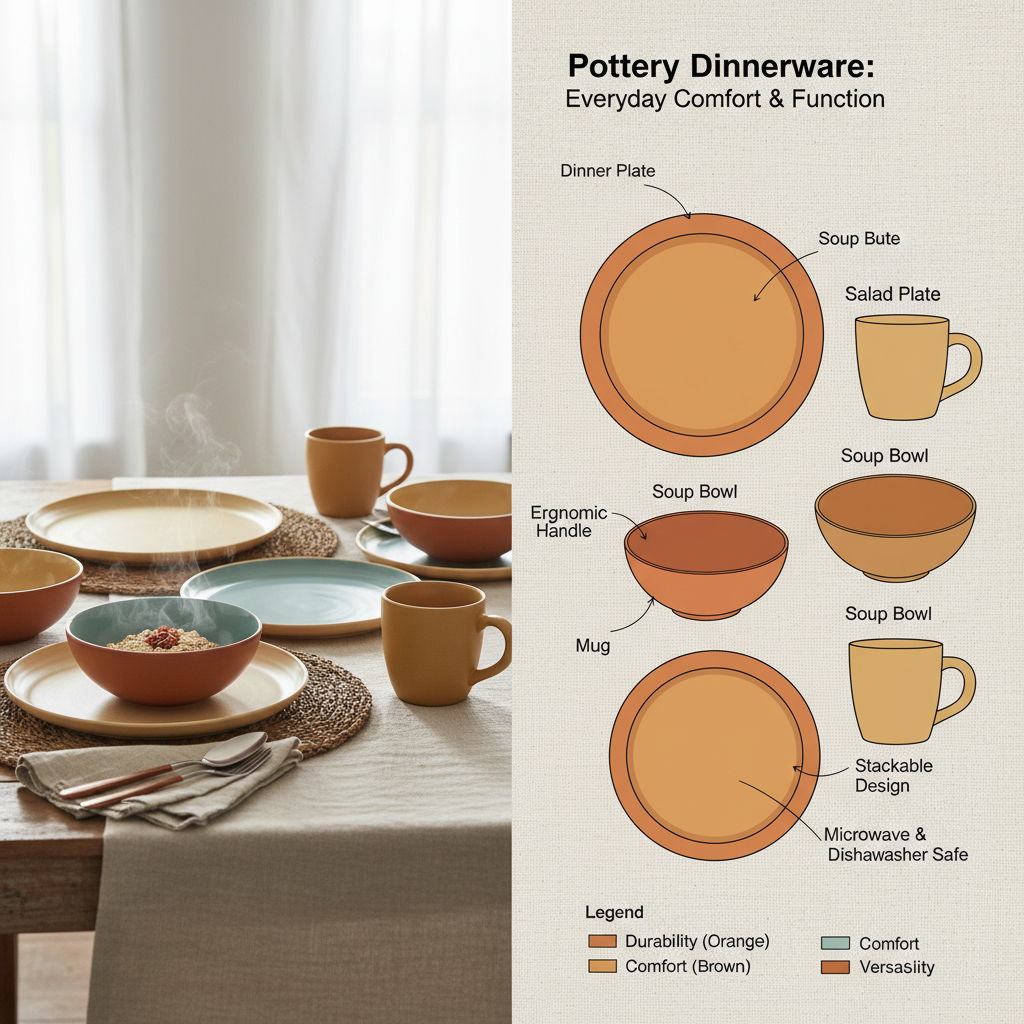
The standard for a professional-grade bowl involves a precise balance of thermal shock resistance and surface hardness. This ensures that the bowl can transition from a microwave or oven to a dining table without cracking, a requirement that is paramount for both residential convenience and industrial efficiency in commercial kitchens.
Core Components of High-Quality Ceramic Tableware
The first pillar of excellence in ceramic dinner bowls is material purity. The use of refined kaolin and feldspar ensures that the final product is free from impurities, which prevents structural weaknesses and results in a cleaner, more professional finish that resists staining over time.
Secondly, the glazing process is where functionality meets art. A high-quality glaze not only provides a glossy or matte finish but acts as a protective barrier. In high-end ceramic dinner bowls, the glaze is formulated to be scratch-resistant, preventing metal cutlery from leaving unsightly grey marks on the surface.
Finally, the firing temperature determines the bowl's porosity and durability. Stoneware and porcelain fired at temperatures exceeding 1,200°C achieve vitrification, meaning the clay becomes glass-like and non-porous. This is essential for hygiene, as it prevents the absorption of food odors and bacteria.
Practical Applications and Use Case Analysis
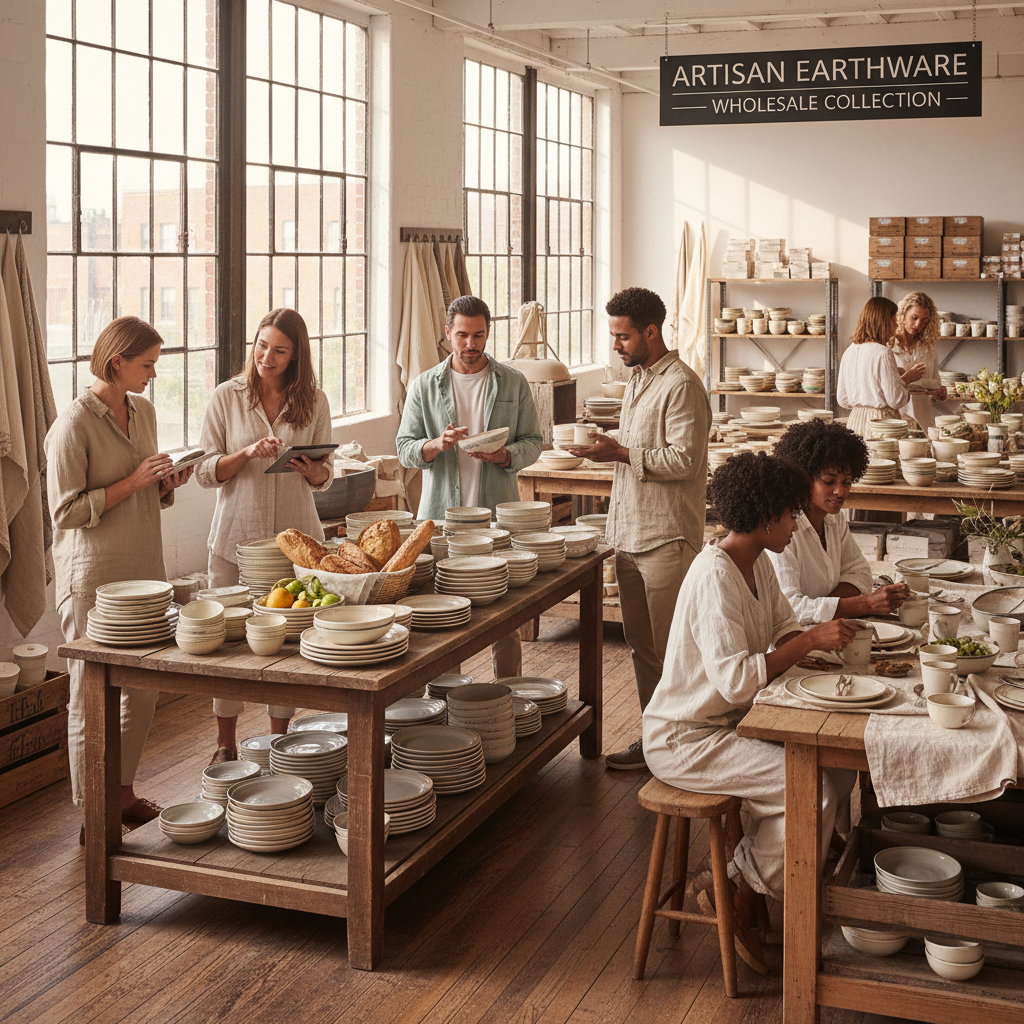
The application of ceramic dinner bowls extends far beyond the home kitchen. In the professional hospitality industry, specifically in luxury resorts and Michelin-starred restaurants, these bowls are used as a canvas for culinary art, where the texture and color of the ceramic enhance the perceived value of the meal.
Furthermore, in large-scale institutional catering—such as universities or corporate campuses—the focus shifts to stackability and durability. Industrial-grade ceramic bowls are designed with reinforced rims to withstand the rigors of commercial dishwashers and frequent handling, ensuring a long lifecycle and reduced replacement costs.
Performance Comparison of Ceramic Dinner Bowls Types
Long-Term Value and Sustainability Benefits
The long-term value of investing in premium ceramic dinner bowls lies in their exceptional lifespan. Unlike plastic or low-grade melamine, high-fired ceramics do not degrade over time and do not release microplastics into the food, making them a superior choice for health-conscious families and environmentally responsible businesses.
From a sustainability perspective, the production of ceramic ware is increasingly aligning with circular economy principles. Many manufacturers are now incorporating recycled ceramic waste back into the clay body, reducing the need for raw mineral extraction. This commitment to "green ceramics" ensures that elegance does not come at the expense of the planet.
Future Innovations in Ceramic Manufacturing
The future of ceramic dinner bowls is being shaped by digital transformation. 3D printing of ceramics allows for complex, organic geometries that were previously impossible with traditional wheel-throwing or slip-casting. This enables custom-designed tableware that perfectly fits the ergonomics of a specific dining style.
Additionally, we are seeing the development of "smart glazes" that can change color based on temperature or indicate the freshness of the food within. Such innovations transform the bowl from a passive container into an active part of the dining experience, merging technology with traditional craft.
Automation in the kiln process is also reducing energy consumption. AI-driven temperature control systems optimize the firing cycle, ensuring a consistent quality across thousands of units while drastically lowering the carbon footprint of the manufacturing plant.
Challenges and Expert Solutions for Durability
One of the primary challenges with ceramic dinner bowls is the risk of chipping, particularly on the rims. This is often caused by uneven tension during the cooling phase of production or accidental impact during cleaning. To solve this, expert manufacturers are employing "rim-reinforcement" techniques, where the edge is slightly thickened or glazed with a more flexible compound.
Another common issue is "crazing," the development of tiny cracks in the glaze. This happens when the thermal expansion coefficients of the clay body and the glaze are not perfectly matched. The solution lies in precise chemical engineering, ensuring that the glaze and the ceramic body shrink and expand at the same rate.
For institutional buyers, the challenge is often the cost of replacement. By shifting to high-density stoneware, businesses can achieve a balance between the luxury feel of porcelain and the ruggedness required for heavy-duty use, effectively lowering the total cost of ownership over several years.
Analysis of Ceramic Material Performance and Life Cycle
| Material Type |
Chip Resistance |
Thermal Retention |
Average Lifespan |
| Fine Porcelain |
Moderate |
High |
5-10 Years |
| Heavy Stoneware |
High |
Very High |
10-20 Years |
| Earthenware |
Low |
Moderate |
2-5 Years |
| Bone China |
Moderate |
High |
7-12 Years |
| Vitrefied Ceramic |
Very High |
High |
15+ Years |
| Artisan Clay |
Low |
Moderate |
3-7 Years |
FAQS
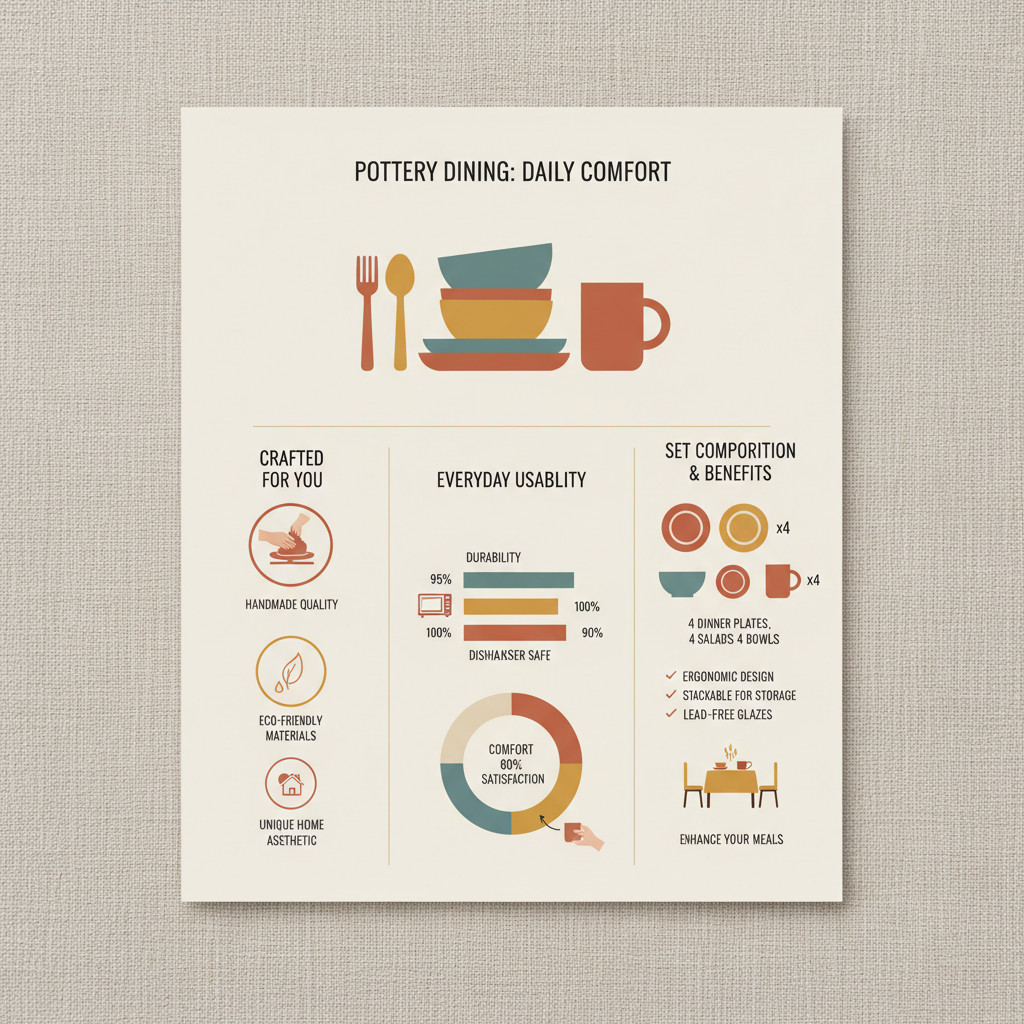
Most high-quality ceramic dinner bowls are both microwave and dishwasher safe. However, you should avoid bowls with metallic rims (gold or silver leaf) in the microwave, as they can cause sparking. To ensure longevity, we recommend checking for "dishwasher safe" markings or ensuring the ceramic is vitrified (non-porous) to prevent water absorption and cracking during the high-heat drying cycle.
Porcelain is fired at higher temperatures and is more refined, resulting in a translucent, white, and non-porous finish. Stoneware is denser and typically more opaque, often appearing in earth tones. While porcelain is prized for its elegance and strength, stoneware is often preferred for its ruggedness and superior heat retention, making it ideal for hearty soups and stews.
The most reliable way is to purchase from manufacturers who provide certification of compliance with FDA or EU food safety standards. Reputable brands use lead-free glazes. If you have antique or unbranded bowls, you can use a lead-testing kit available at most hardware stores, although professional laboratory testing is the only way to be 100% certain.
Crazing occurs when the glaze shrinks more than the clay body during cooling or due to repeated thermal shock (sudden temperature changes). While often purely aesthetic, deep crazing can harbor bacteria. To prevent this, avoid placing very cold bowls into boiling water or extremely hot ovens, and choose high-fired ceramics designed for thermal stability.
For commercial environments, vitrified stoneware or reinforced porcelain is the best choice. These materials are engineered to resist chipping and scratching while surviving thousands of industrial wash cycles. Look for bowls with a "reinforced rim" design, which significantly reduces the rate of breakage in fast-paced kitchen environments.
For high-quality glazed ceramics, a paste of baking soda and water usually works wonders. Gently scrub the stain with a soft sponge. For more persistent stains, a diluted white vinegar solution can help. Avoid using harsh steel wool or abrasive scouring powders, as these can scratch the glaze and make the bowl more prone to staining in the future.
Conclusion
In summary, ceramic dinner bowls represent a perfect harmony of artistic expression and industrial utility. By understanding the differences in material composition, firing temperatures, and glazing techniques, users can select tableware that not only elevates the visual appeal of a meal but also ensures long-term durability and health safety. From the sustainability of recycled clay to the precision of AI-driven manufacturing, the ceramic industry continues to evolve to meet the rigorous demands of the modern global market.
As we move toward a more sustainable future, the value of durable, non-toxic, and timeless ceramic ware becomes even more apparent. We encourage both homeowners and business procurement officers to prioritize quality and certification over low-cost alternatives. Investing in premium ceramics is a commitment to better health, environmental responsibility, and a superior dining experience. Explore our full range of professional-grade solutions by visiting our website: www.maixin-kitchenware.com