Understanding the price of ceramic plates is essential for hospitality procurement managers and home designers who need to balance aesthetic appeal with long-term budget sustainability. In the broader context of the metal and household goods manufacturing industry, dinnerware pricing is influenced by a complex interplay of raw material costs, kiln firing technologies, and artisan labor.
Many buyers struggle to identify why prices vary so drastically between standard stoneware and high-end porcelain, often overlooking the hidden costs of durability and thermal shock resistance. This discrepancy in pricing often leads to premature replacement cycles if the wrong material is selected for the specific usage environment.
This analysis provides a comprehensive breakdown of cost drivers, material comparisons, and a strategic procurement framework to help you optimize your investment in ceramic dinnerware without compromising on quality or elegance.

Core Factors Influencing Ceramic Pricing

The price of ceramic plates is primarily dictated by the purity of the clay body and the temperature of the firing process. Higher firing temperatures, typically used in porcelain, result in a denser, non-porous material that commands a premium due to increased energy consumption and lower yield rates during the cooling phase.
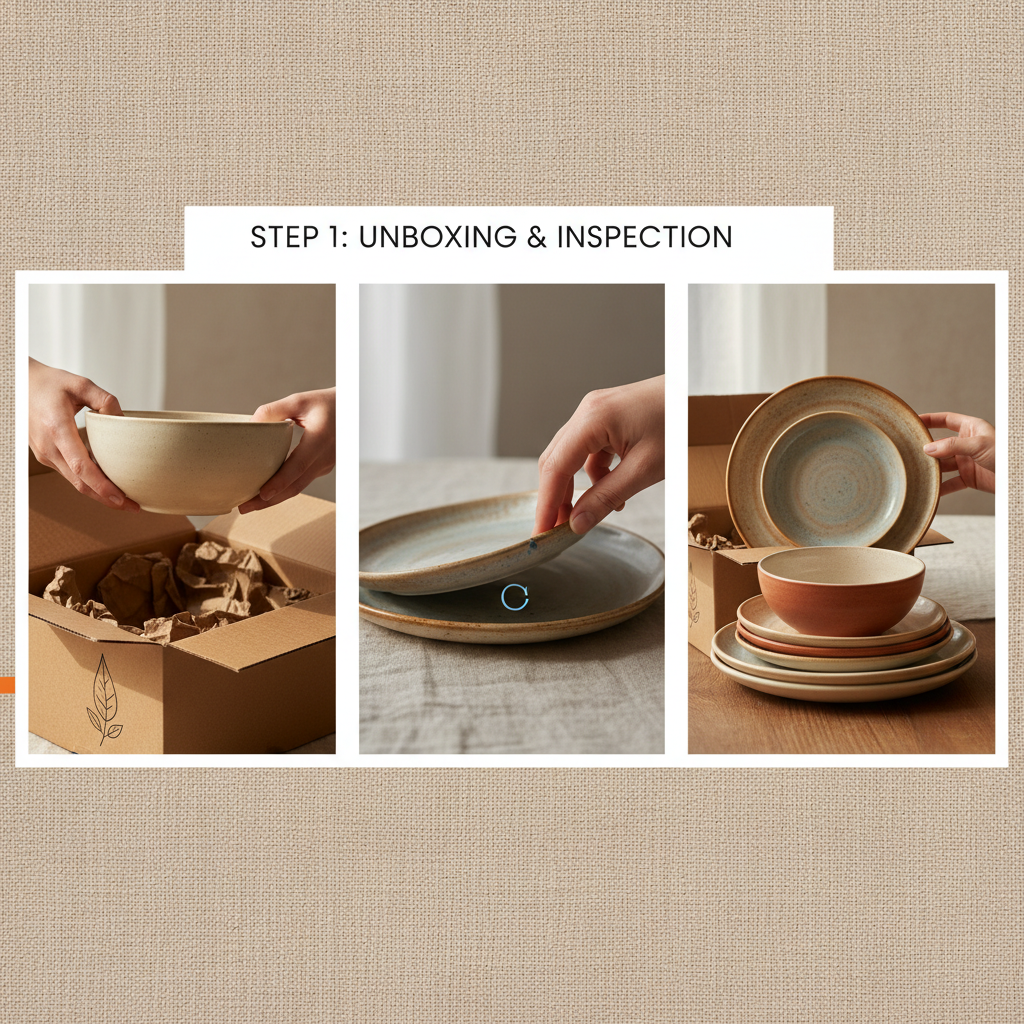
Beyond the material, the scale of production significantly impacts the unit cost. Mass-produced items utilize automated molding and spray glazing, which lowers the price point, whereas hand-decorated or embossed dinner sets require specialized labor and quality control, increasing the final market value.
Material Grade and Cost Correlation
Different ceramic types offer varying levels of durability and aesthetic finish, which are directly reflected in their pricing. Earthenware is the most affordable but remains porous and prone to chipping, making it suitable for casual use but not for high-traffic commercial environments.
Stoneware occupies the mid-range, offering a balance of durability and rustic charm, while Bone China and Fine Porcelain represent the top tier. These materials use refined minerals and high-heat sintering, ensuring that the plate is lightweight yet exceptionally strong, justifying a higher price through longer operational life and superior presentation.
Production Techniques and Value Addition
Specialized finishes such as reactive glazes or embossed patterns add significant value to ceramic dinnerware. A reactive glaze is not a standard coating; it involves chemical reactions during firing that create unique, organic patterns on every piece, making the set a piece of art rather than a mere utility.
Similarly, embossed dinner sets require precise molds and additional finishing stages to ensure the patterns remain crisp after glazing. These technical requirements increase the manufacturing time and the risk of defects, which in turn elevates the price of ceramic plates compared to plain, white glazed options.
Analyzing the Cost Structure of Dinnerware
To understand the pricing of ceramic plates, it is helpful to look at the relative contribution of different production stages. The energy required for high-temperature kilns and the cost of refined glazing materials are the primary drivers of the base cost.
The chart above illustrates a conceptual cost distribution for a professional-grade ceramic plate. While raw materials are essential, the value-added processes—specifically finishing, quality inspection, and specialized glazing—account for a substantial portion of the final price.
Hidden Costs in Ceramic Procurement
When evaluating the price of ceramic plates, buyers often focus solely on the initial acquisition cost, ignoring the total cost of ownership. This includes the replacement rate due to chipping, the energy cost of heating, and the labor required for specialized cleaning.
Lower-priced ceramics often have higher porosity, which can lead to staining over time or absorption of food odors. This necessitates more aggressive cleaning agents and more frequent replacements, meaning a "cheap" plate can actually be more expensive over a three-year operational period than a premium porcelain alternative.
Common Pricing Misconceptions for Buyers
A frequent misconception is that "heavy" plates are more durable and therefore worth a higher price. In reality, weight is often a result of the clay density and thickness rather than the quality of the firing or the glaze. Modern high-performance ceramics can be thin and lightweight while remaining incredibly chip-resistant.
Another error is assuming that all "ceramic" is created equal. Many buyers use the term generally, but the difference between a low-fire ceramic and a high-fire vitreous ceramic is an entire category of performance. Understanding these distinctions prevents overpaying for basic materials or underinvesting in critical equipment.
Ceramic vs. Glass Material Investment Framework
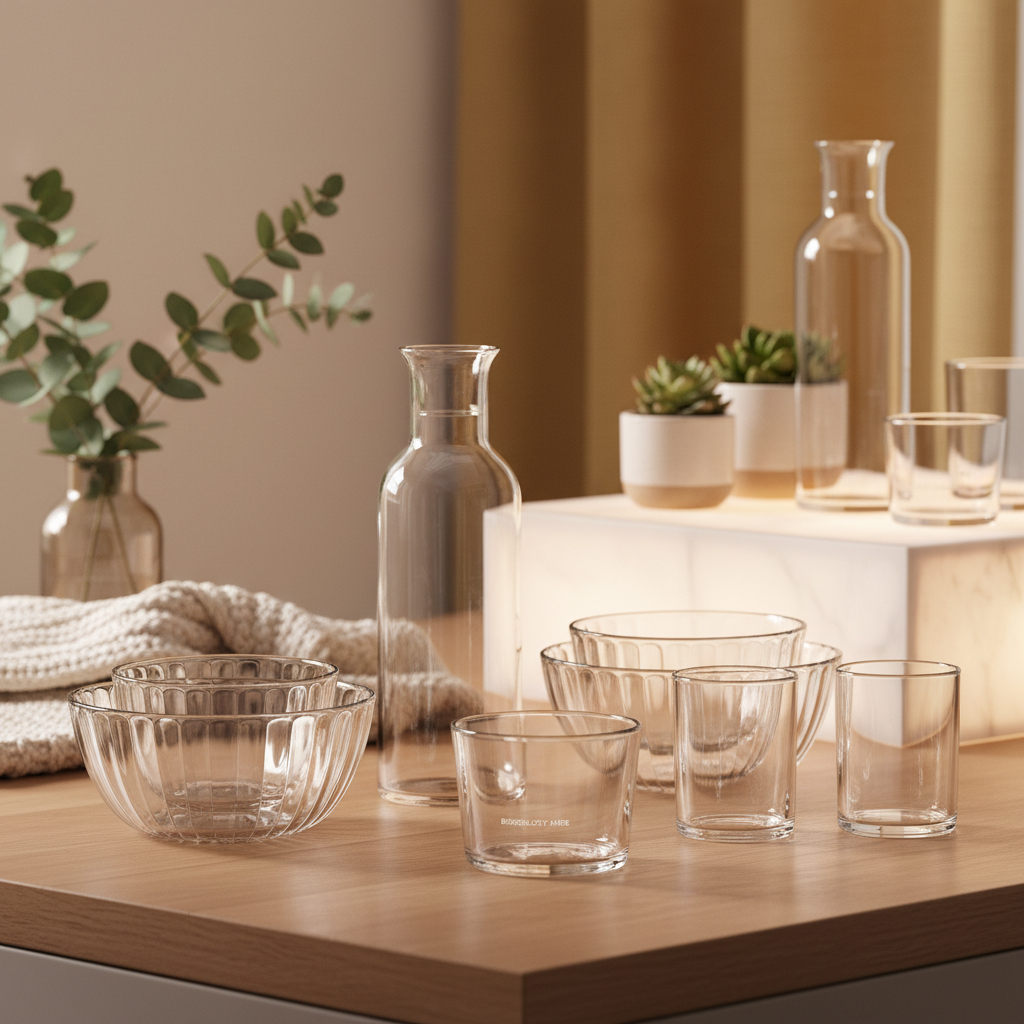
Depending on the application, ceramic may not always be the most cost-effective choice. For certain kitchenware needs, high borosilicate glass offers advantages in heat resistance and transparency that ceramics cannot match, though the pricing structures differ significantly.
| Material Type | Cost Driver | Durability Focus | Best Use Case |
|---|---|---|---|
| Fine Porcelain | High-Heat Sintering | Chip Resistance | Fine Dining |
| Stoneware | Clay Composition | Impact Strength | Casual Dining |
| Earthenware | Low-Fire Process | Aesthetic Variation | Home Decor |
| Borosilicate Glass | Thermal Stability | Heat Shock Resistance | Bakeware/Storage |
| Bone China | Mineral Purity | Structural Thinness | Luxury Service |
| Reactive Glaze | Chemical Artistry | Visual Uniqueness | Boutique Hotels |
As shown, the investment decision should be based on the intended environment. While porcelain offers the best longevity for dining, borosilicate glass is the superior investment for items requiring freezer-to-oven transitions, as it avoids the cracking risks associated with some ceramics.
Frequently Asked Questions
The primary factor is the firing temperature and material purity. High-fire ceramics like porcelain require more energy and precise temperature control, which increases production costs but results in a denser, more durable product.
Yes, because they require specialized molds and additional quality checkpoints to ensure the patterns are uniform and the glaze covers the relief without pooling or thinning.
Not necessarily. Premium materials like bone china are often lighter than stoneware but are significantly more expensive due to the refinement of the minerals used.
Reactive glazes increase the price because they involve complex chemical interactions during firing, creating unique patterns that require more expert supervision and have higher waste rates.
Because lower-priced ceramics often chip more easily and stain faster, leading to higher replacement costs and operational downtime compared to high-quality, long-lasting porcelain.
For serving and dining, ceramics are preferred for heat retention and aesthetics. However, for storage and baking, borosilicate glass is superior due to its exceptional thermal shock resistance.
Conclusion
The price of ceramic plates is a reflection of the material's purity, the energy used in firing, and the artistry of the finishing process. By shifting focus from the initial purchase price to the total cost of ownership—factoring in durability, replacement cycles, and application suitability—buyers can make more sustainable and economically sound procurement decisions.
For those seeking a balance of innovation and quality in kitchenware, the range of high borosilicate glassware and ceramic dinnerware available at www.maxtrust-kitchenware.com provides professional solutions designed for both durability and elegance.