The choice between porcelain vs ceramic plate extends beyond mere aesthetics; it's a decision impacting durability, cost, and even the environmental footprint of your dining experience. Understanding the nuanced differences between these two popular materials is crucial for consumers, restaurateurs, and anyone seeking long-lasting and functional tableware. This guide will delve into the key characteristics of each, providing a comprehensive overview to inform your selection.
Globally, the demand for tableware remains consistently high, driven by population growth, rising disposable incomes, and evolving dining trends. According to industry reports, the global tableware market is projected to reach substantial figures in the coming years. The distinction between porcelain vs ceramic plate isn't just about consumer preference – it influences manufacturing processes, import/export regulations, and sustainable sourcing initiatives. Addressing the challenges of production cost, material sourcing, and waste management within this industry is paramount.
At its core, the difference between porcelain vs ceramic plate lies in their composition and firing process. Ceramic, a broad category, generally refers to items made from clay, shaped, and then hardened by firing. Porcelain, a specific type of ceramic, utilizes a refined clay called kaolin and is fired at higher temperatures, resulting in a denser, more durable, and often translucent material. This seemingly subtle difference has significant implications for performance and longevity, making it vital to consider when purchasing tableware.
Introduction: The Significance of porcelain vs ceramic plate
The seemingly simple act of choosing between porcelain vs ceramic plate carries weight, impacting not only the aesthetic of a dining setting but also the long-term cost-effectiveness and environmental sustainability. Porcelain, known for its refined elegance and durability, often commands a higher price point, while ceramic offers a broader range of styles and affordability. Understanding these distinctions empowers consumers and businesses to make informed decisions aligned with their specific needs and values.
The global tableware industry is a multi-billion dollar market, with porcelain and ceramic plates forming a significant portion. Factors like rising restaurant industry growth, increased home entertaining, and a growing emphasis on stylish dining experiences drive demand. Furthermore, concerns surrounding sustainable production and responsible sourcing are pushing manufacturers to innovate and adopt eco-friendly practices. This puts a renewed focus on evaluating the full lifecycle impact of materials like porcelain and ceramic.
Defining Porcelain and Ceramic Plates
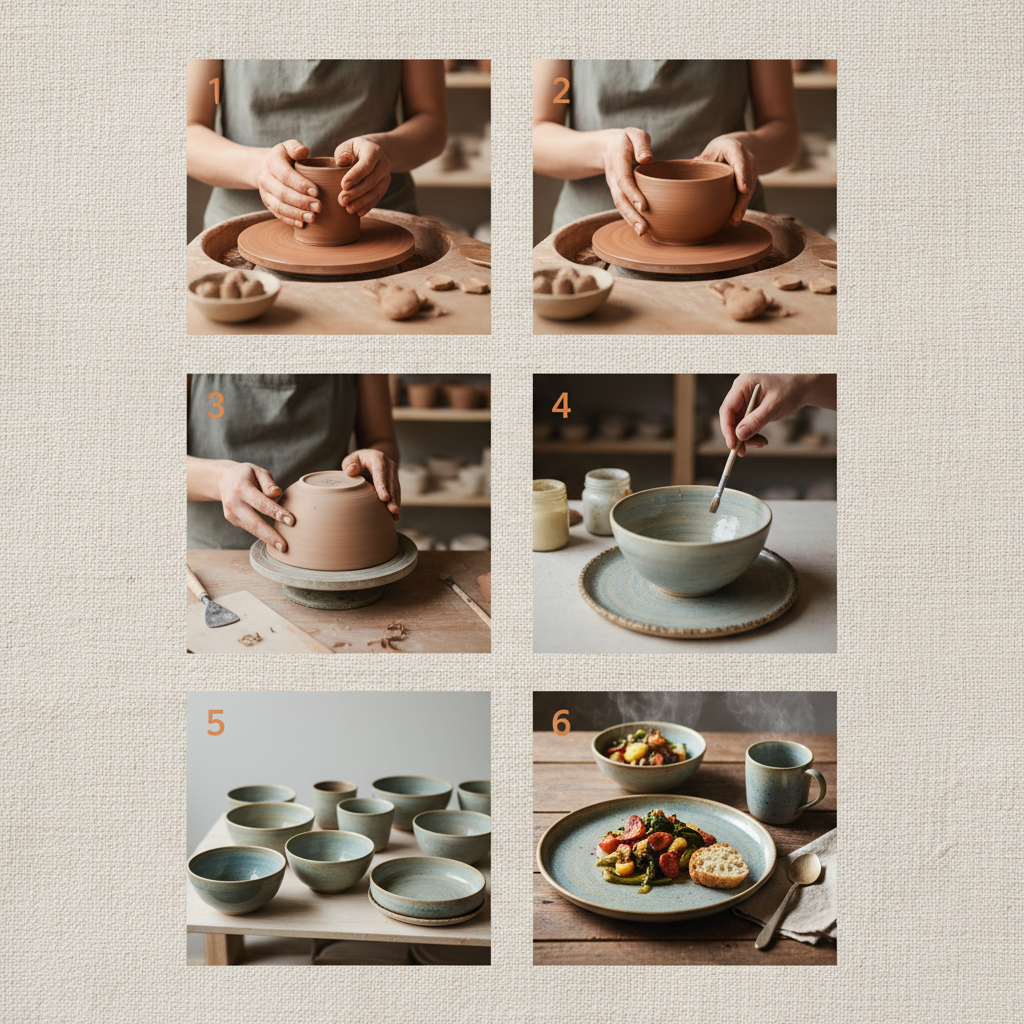
Ceramic plates, in the broadest sense, are created from clay materials—earthenware, stoneware, and porcelain being the most common. The process involves shaping the clay, allowing it to dry, and then firing it in a kiln. Ceramic is often more porous and less durable than porcelain, making it suitable for casual dining and everyday use. Its versatility allows for a wide range of colors, glazes, and designs, making it a popular choice for artistic expression.
Porcelain, however, is a specific type of ceramic distinguished by its use of kaolin, a highly refined white clay. This clay, combined with feldspar and quartz, results in a material that's fired at extremely high temperatures. This high-temperature firing creates a dense, non-porous, and often translucent product. The resulting porcelain is significantly stronger, more chip-resistant, and less prone to staining compared to standard ceramic.
The distinction is crucial because it impacts the plate’s performance. Porcelain’s non-porous nature makes it ideal for both hot and cold foods, resisting cracking and retaining heat better than most ceramic options. The term ‘china’ is often used interchangeably with porcelain, historically referring to the origin of high-quality porcelain from China, but it's important to remember that not all china is necessarily fine porcelain.
Key Differences in Composition and Manufacturing
The fundamental difference between porcelain vs ceramic plate begins with the clay used. Ceramic typically utilizes earthenware or stoneware clay, which contains impurities and has a coarser texture. These clays are more readily available and require lower firing temperatures, resulting in a less expensive product. This lower firing temperature, however, also means the material remains somewhat porous, necessitating glazing to make it waterproof and food-safe.
Porcelain, in contrast, demands kaolin clay – a pure, white clay that's significantly more expensive to source. The inclusion of feldspar and quartz further refines the composition. The manufacturing process is also more demanding. Porcelain requires meticulous shaping, a longer drying period, and a much higher firing temperature (often exceeding 1300°C / 2372°F). This intense heat vitrifies the clay, creating a glass-like surface that’s both incredibly strong and non-porous.
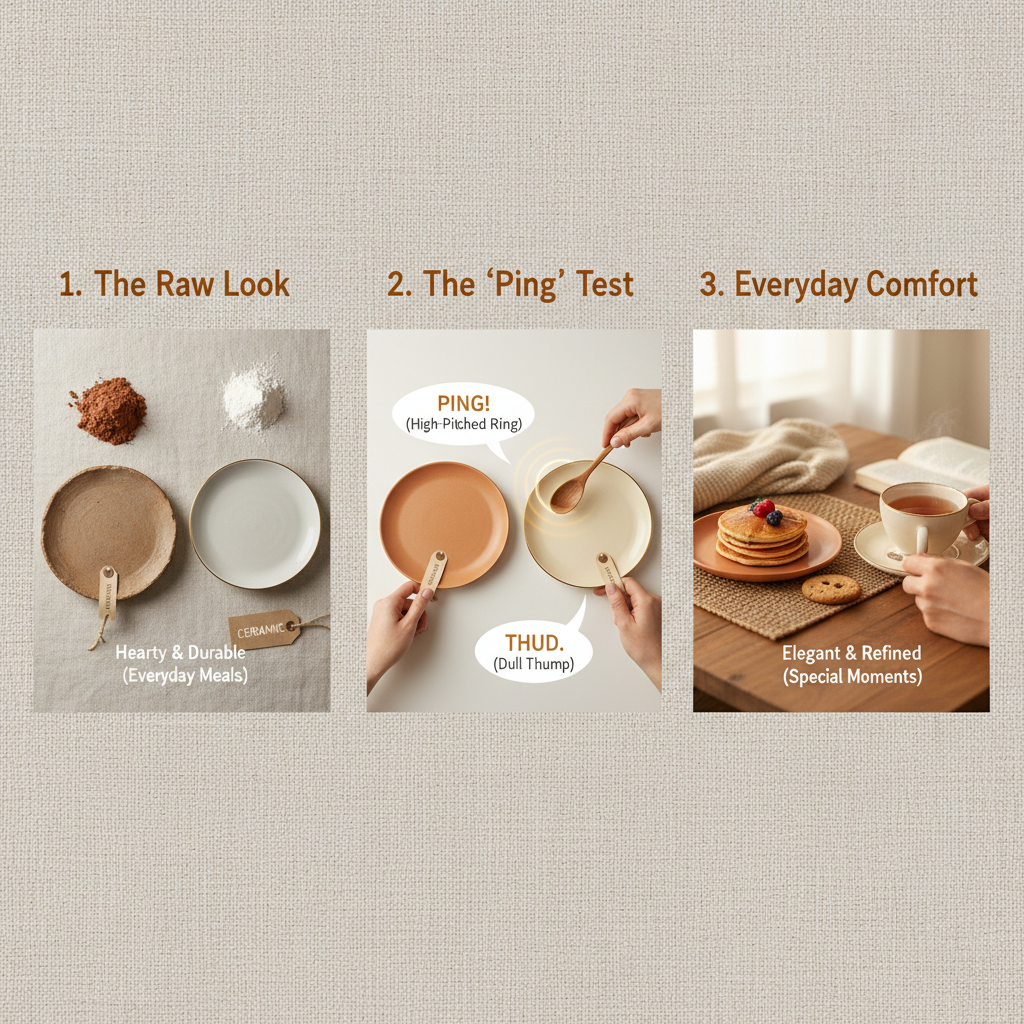
This difference in manufacturing directly affects the final product. Porcelain’s vitrification process eliminates the need for thick glazing, allowing for thinner walls and a lighter weight. It also results in a characteristic ‘ring’ when tapped, a testament to its density and quality – a feature generally absent in standard ceramic plates.
Durability and Resistance: A Comparative Analysis
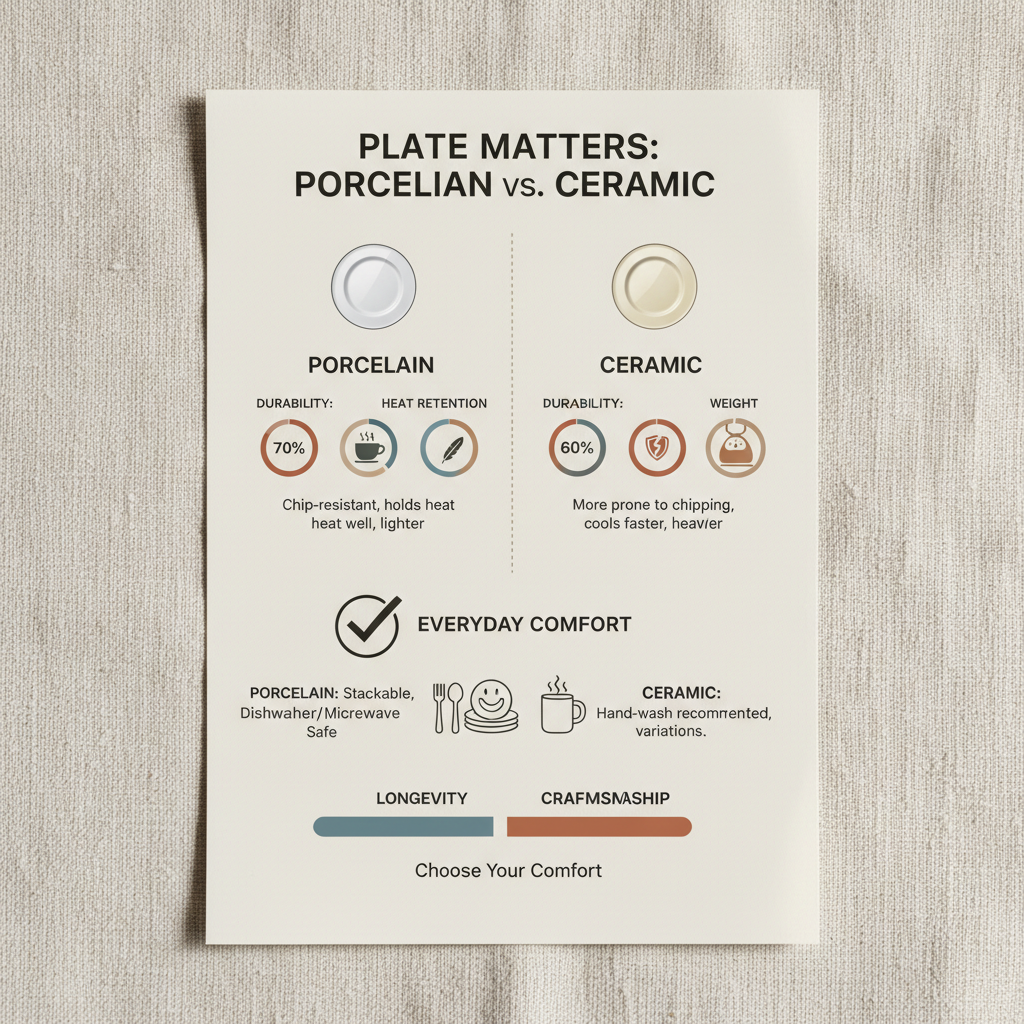
When assessing the durability of porcelain vs ceramic plate, several key factors come into play. Porcelain, due to its high firing temperature and vitrified structure, boasts superior chip resistance and strength. It's significantly less likely to crack under thermal shock – the sudden exposure to temperature changes – making it safe for use in microwaves and dishwashers.
Ceramic plates, while robust enough for everyday use, are more susceptible to chipping, cracking, and staining. Their porous nature can also lead to the absorption of odors and flavors over time. While many ceramic plates are dishwasher-safe, they may not withstand the repeated stress of high-temperature washing as effectively as porcelain.
Durability Comparison: porcelain vs ceramic plate
Global Applications and Market Trends
Porcelain plates consistently dominate the fine dining sector globally. High-end restaurants and hotels favor porcelain for its elegance, durability, and ability to elevate the dining experience. The European market, with its emphasis on sophisticated tableware, represents a significant portion of the porcelain demand.
Ceramic plates, however, find broader applications across various segments. They are commonly used in casual dining restaurants, cafes, and homes. The Asian market, particularly countries like China and India, demonstrates substantial demand for both porcelain and ceramic plates, driven by large populations and growing middle classes. Emerging markets in South America and Africa also show increasing demand, albeit often leaning towards more affordable ceramic options.
Advantages and Long-Term Value Proposition
The long-term value of porcelain vs ceramic plate is demonstrably higher for porcelain, despite the initial higher cost. Its superior durability translates to fewer replacements, reducing lifecycle costs. Furthermore, its resistance to staining and fading maintains its aesthetic appeal for years, adding to its value. The perceived quality also contributes to a positive brand image, particularly in the hospitality industry.
Beyond the financial benefits, porcelain offers sustainability advantages. Reduced replacement rates mean less waste, and the non-porous surface is more hygienic, minimizing the need for harsh cleaning chemicals. While ceramic offers affordability, its shorter lifespan and susceptibility to damage can ultimately lead to a higher environmental impact through frequent replacements.
Future Innovations and Sustainable Practices
The future of porcelain vs ceramic plate manufacturing is leaning heavily towards sustainability and innovation. Researchers are exploring alternative clay sources and eco-friendly firing techniques to reduce carbon emissions. The development of bio-based glazes and coatings is also gaining traction, minimizing reliance on harmful chemicals.
Digital printing technologies are revolutionizing the design process, allowing for greater customization and reduced waste. 3D printing of ceramic and porcelain is also emerging, offering potential for on-demand production and complex designs. The industry is also embracing circular economy principles, focusing on recycling and repurposing materials to minimize waste.
Furthermore, advancements in material science are exploring the incorporation of recycled materials into both ceramic and porcelain bodies, reducing reliance on virgin resources. These innovations aim to address the growing consumer demand for sustainable and ethically produced tableware, bridging the gap between quality, cost, and environmental responsibility.
Summary of Key Considerations for Choosing Between Porcelain and Ceramic Plates
| Material Composition |
Durability & Resistance |
Cost Factor |
Application Suitability |
| Porcelain: Kaolin clay, feldspar, quartz |
High chip resistance, thermal shock resistant, scratch resistant |
Higher initial cost |
Fine dining, hotels, formal settings |
| Ceramic: Earthenware, stoneware clays |
Moderate durability, susceptible to chipping and cracking |
Lower initial cost |
Casual dining, home use, artistic applications |
| Porcelain: Vitrified, non-porous |
Excellent resistance to staining and odors |
Long-term cost savings due to durability |
Professional kitchens, high-volume use |
| Ceramic: Porous, requires glazing |
May absorb stains and odors over time |
Suitable for decorative purposes |
Art studios, craft projects |
| Porcelain: High-temperature firing |
Maintains appearance over extended use |
Increased perceived value |
Upscale restaurants, special events |
| Ceramic: Lower firing temperature |
More prone to wear and tear |
Frequent replacements may be necessary |
Everyday use, informal gatherings |
FAQS
Porcelain is vitrified, meaning it's non-porous and absorbs virtually no water, making it ideal for soups and liquids. Ceramic, particularly earthenware, is more porous and requires glazing to become waterproof. Unglazed ceramic will readily absorb water. This difference in porosity impacts durability and suitability for various dishes. Porcelain's lack of porosity also means it's more hygienic as it resists bacteria growth better.
Generally, porcelain is more expensive than ceramic due to the higher cost of kaolin clay and the more demanding manufacturing process involving higher firing temperatures. However, price can vary depending on the design, brand, and quality of both porcelain and ceramic. While basic ceramic options are significantly cheaper, high-end, artistically crafted ceramic pieces can sometimes approach the price of standard porcelain sets.
Most porcelain plates are microwave-safe due to their high thermal shock resistance. However, it’s crucial to check the manufacturer’s instructions, as plates with metallic accents or repairs might not be suitable. Ceramic plates are more prone to cracking in the microwave, so always verify their microwave-safety before use. Generally, avoid rapid temperature changes with either material.
One way to tell is by tapping the plate; porcelain typically produces a ringing sound due to its density. Porcelain is also often translucent when held up to the light, although this isn’t always conclusive. Look for markings on the underside – ‘Porcelain’ or ‘China’ indicates porcelain, while ‘Ceramic’ or ‘Stoneware’ indicates ceramic. The weight can also be a clue: porcelain is typically lighter.
For everyday use, the “better” choice depends on your priorities. Ceramic is more affordable and offers a wider range of casual designs. Porcelain is more durable and stain-resistant, making it a better long-term investment, especially for families or frequent entertaining. Consider your budget, lifestyle, and desired aesthetic when making your decision.
Yes, both materials are seeing advancements in sustainability. Look for manufacturers using recycled materials in their clay bodies or employing eco-friendly glazing processes. Choosing durable options reduces the need for frequent replacements, minimizing waste. Supporting companies committed to responsible sourcing and ethical production is also a step towards more sustainable tableware choices.
Conclusion
Understanding the distinctions between porcelain vs ceramic plate is vital for making informed purchasing decisions. Porcelain’s superior durability, stain resistance, and elegant aesthetic make it a premium choice for fine dining and long-term investment. Ceramic offers affordability and versatility, suitable for casual settings and creative applications. Ultimately, the optimal choice depends on your specific needs, budget, and priorities.
As the tableware industry evolves, embracing sustainable practices and innovative materials will be crucial. By choosing responsibly sourced and durable options, consumers can minimize their environmental impact while enjoying high-quality tableware. Further research into bio-based glazes and recycled materials promises a future where style and sustainability go hand-in-hand. Visit our website at www.maxtrust-kitchenware.com to explore our range of porcelain and ceramic plates and discover the perfect tableware for your needs.