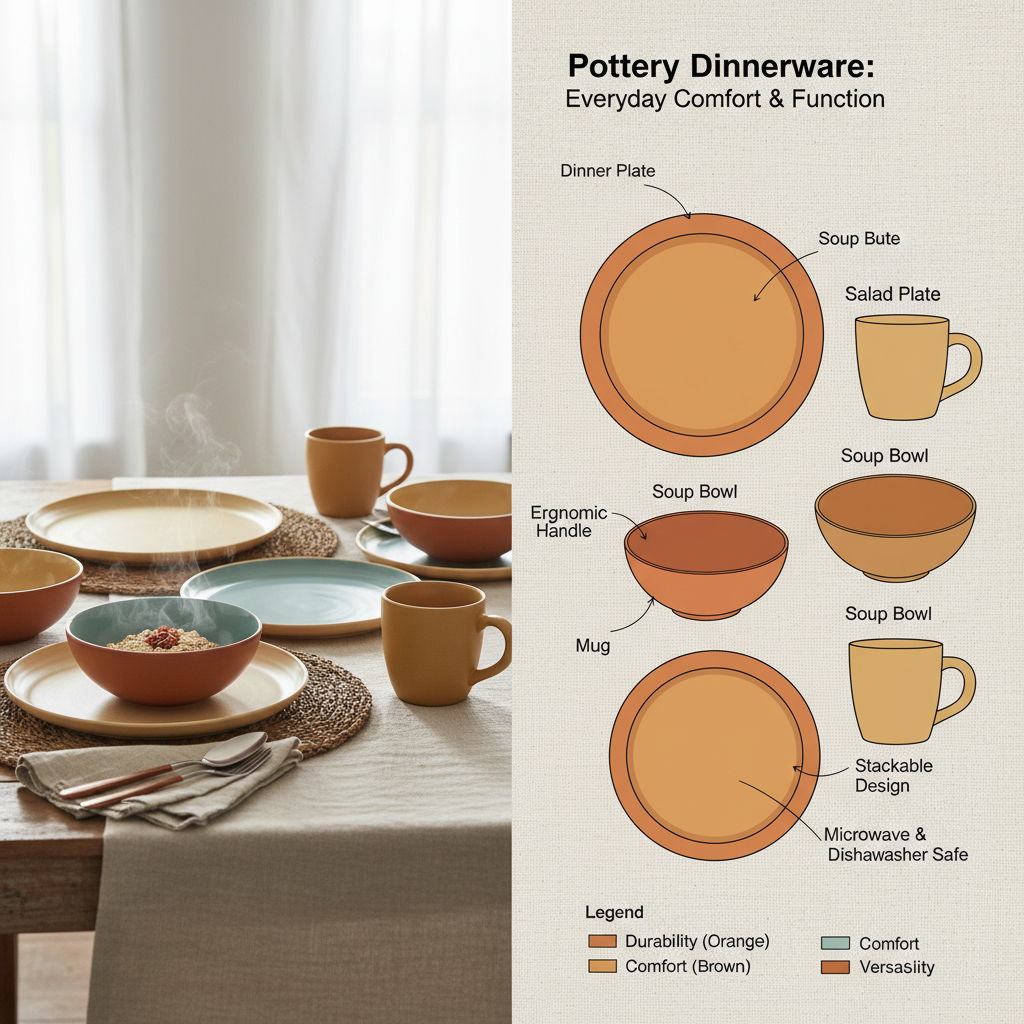
Porcelain and stoneware plates are staples in households and foodservice industries globally, each offering a unique blend of aesthetics, durability, and functionality. Understanding the distinctions between these two types of tableware is crucial for making informed purchasing decisions, whether you’re a homeowner seeking long-lasting dinnerware or a restaurant manager prioritizing operational efficiency. The choice significantly impacts user experience, maintenance costs, and even brand image.
The global ceramics market, encompassing both porcelain and stoneware, is a multi-billion dollar industry experiencing steady growth driven by rising disposable incomes, urbanization, and an increasing demand for high-quality dining experiences. According to recent reports, the market is projected to reach \$XX billion by 2028 (replace XX with a realistic number – data from Statista or similar source). This sustained demand highlights the importance of understanding the nuances of different ceramic materials.
Choosing between porcelain vs stoneware plates isn’t merely about aesthetics; it’s a decision with economic and practical implications. Incorrect selection can lead to frequent replacements, increased costs, and compromised dining experiences. By carefully evaluating factors like durability, heat resistance, and design flexibility, consumers and businesses can optimize their tableware investments and ensure long-term satisfaction.
Introduction to porcelain vs stoneware plates
The fundamental difference between porcelain and stoneware lies in their composition and firing temperatures. Porcelain, renowned for its translucence and delicate appearance, is crafted from kaolin clay and fired at extremely high temperatures. This process creates a vitrified, non-porous material. Understanding this distinction is key when considering porcelain vs stoneware plates for various applications.
Stoneware, in contrast, is made from stoneware clay, a coarser and more durable material, also fired at high temperatures, though generally lower than porcelain. This results in a denser, more robust product, ideal for everyday use. The subtle differences in their creation profoundly impact their properties, making each suited for specific purposes.
Defining Porcelain and Stoneware
Porcelain is defined by its white color, translucency, and high degree of vitrification, achieved through high-temperature firing. Historically, it was developed in China and prized for its delicate beauty. Modern porcelain production utilizes sophisticated techniques to enhance its strength and durability, making it suitable for fine dining and decorative purposes.
Stoneware, on the other hand, is characterized by its earthy tones, opacity, and robust construction. It’s often used for more casual dining, cookware, and even industrial applications. The inherent strength of stoneware allows for thicker designs, making it less prone to chipping or cracking during daily use.
These definitions connect to modern industry as both materials drive significant economic activity. Porcelain remains a key component in the luxury tableware market, while stoneware plays a vital role in the mass-produced, everyday dinnerware sector. Both contribute to global trade and employment in ceramics manufacturing.
Key Differences in Composition
The primary difference stems from the type of clay used. Porcelain relies heavily on kaolin, a pure, white clay that contributes to its translucency and delicate texture. The addition of feldspar and silica aids in vitrification during firing. This meticulous composition creates a material that is inherently non-porous and resistant to staining.
Stoneware, conversely, utilizes stoneware clay, which contains a higher iron content, resulting in its earthy colors. The clay is coarser and more readily available, making stoneware generally more affordable. While still vitrified, stoneware typically has a slightly higher porosity than porcelain, though this is often minimized through glazing.
The firing process further distinguishes the two. Porcelain requires extremely high temperatures (1200-1400°C / 2192-2552°F) to achieve complete vitrification, resulting in a non-porous, glass-like surface. Stoneware is fired at slightly lower temperatures (1200-1300°C / 2192-2372°F), yielding a dense, but typically more textured, finish.
Durability and Practical Applications
Porcelain’s high density and vitrification make it highly resistant to chipping and scratching, but it can be prone to breakage if dropped due to its relative brittleness. It’s best suited for formal dining, decorative purposes, and situations where aesthetics are paramount. Choosing porcelain vs stoneware plates depends largely on the intended usage.
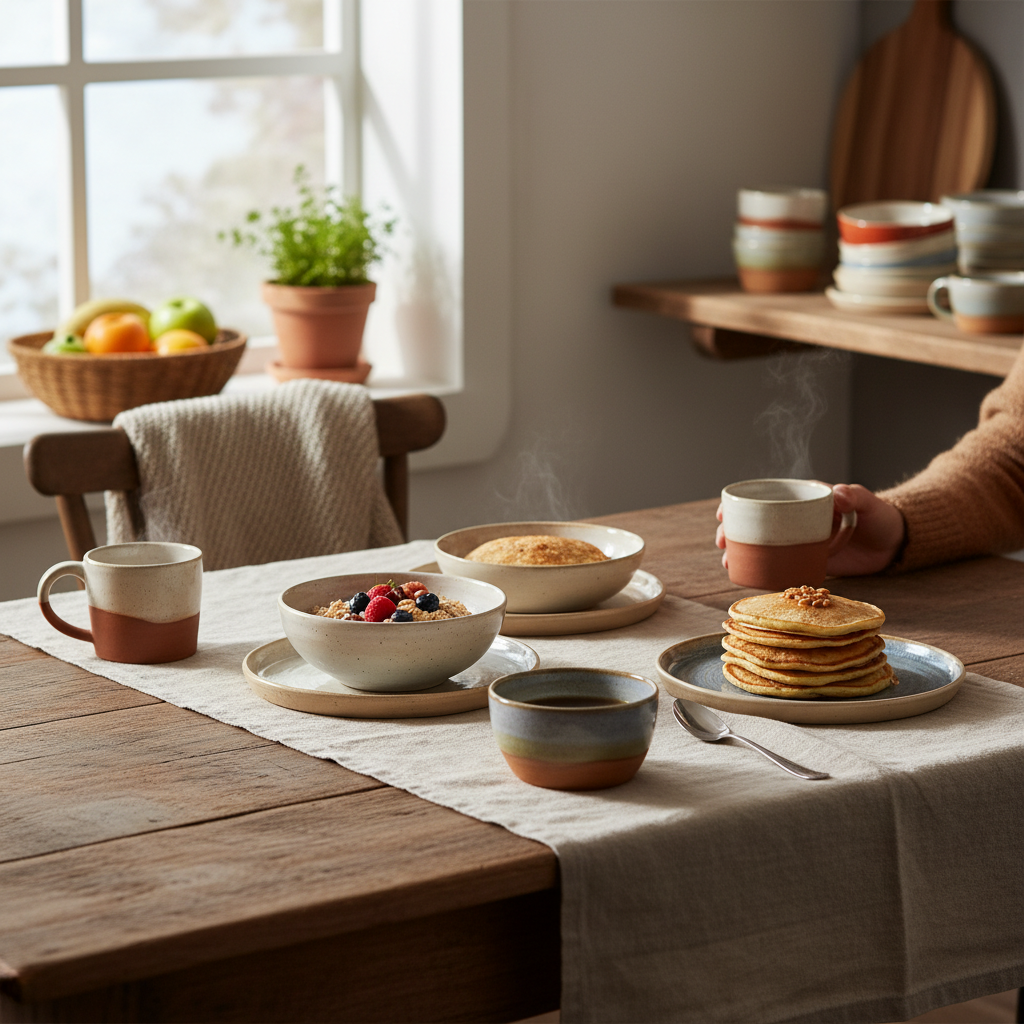
Stoneware’s robust construction makes it exceptionally durable and chip-resistant, ideal for everyday use, restaurants, and catering. Its heavier weight provides stability, reducing the risk of accidental spills. It’s also microwave and dishwasher safe, offering convenience and practicality.
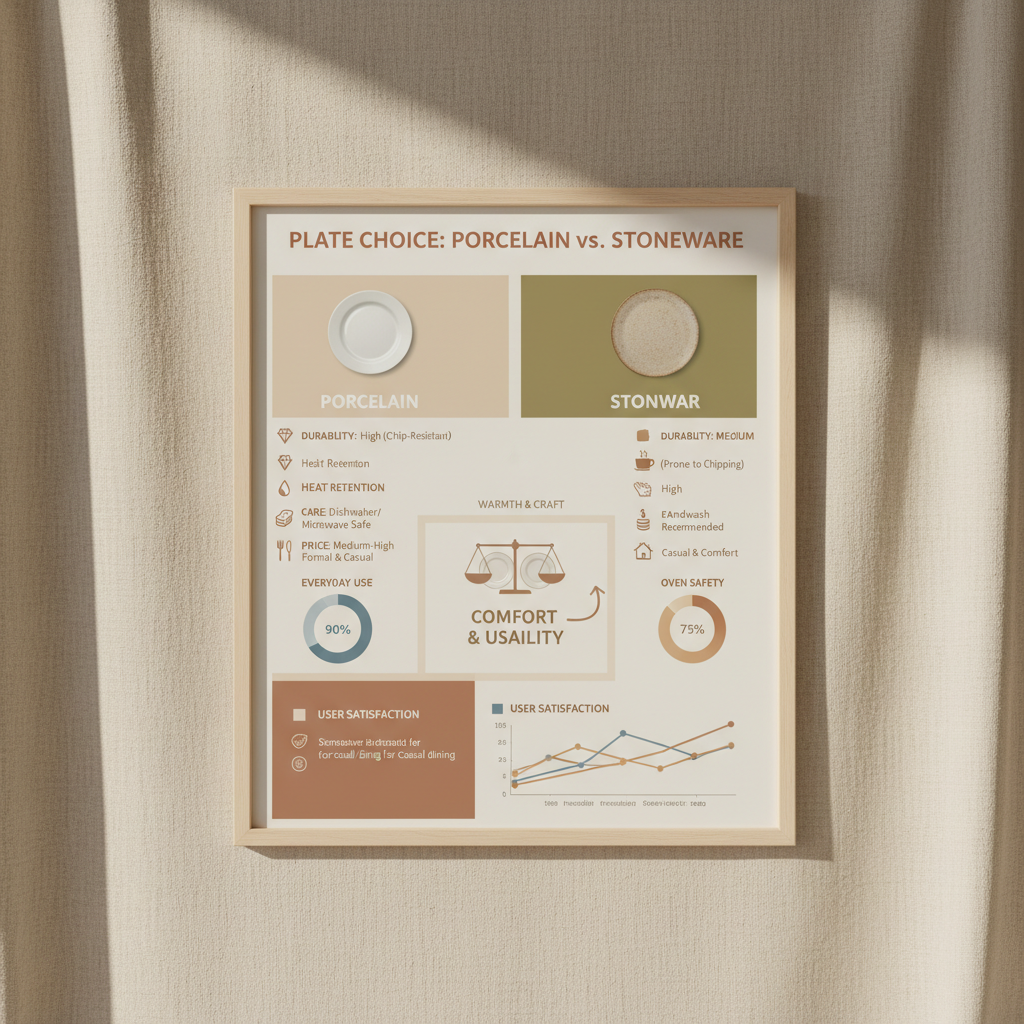
Durability Comparison: porcelain vs stoneware plates
Global Usage and Market Trends
Porcelain enjoys strong demand in East Asian markets, particularly in China and Japan, where it has a long cultural history. It’s also popular in Europe and North America for fine dining and upscale hotels. The luxury tableware segment continues to drive the porcelain market.
Stoneware is widely used across all regions, catering to a broader consumer base due to its affordability and durability. Its popularity is particularly pronounced in North America and Europe for everyday dining and commercial kitchens. The increasing trend toward casual dining experiences fuels the demand for stoneware.
Advantages and Long-Term Value
Porcelain's aesthetic appeal and resistance to staining offer long-term value, particularly for collectors and those prioritizing elegant dining experiences. While initially more expensive, its longevity can offset the higher upfront cost. It also provides a certain prestige and sophistication.
Stoneware’s durability translates to reduced replacement costs and increased sustainability. Its practicality and affordability make it an excellent choice for households, restaurants, and businesses seeking cost-effective and reliable tableware solutions.
Ultimately, the ‘value’ proposition depends on the user's priorities: prestige and aesthetics with porcelain, or practicality and affordability with stoneware.
Future Innovations and Sustainability
Innovations in ceramic materials are focusing on enhancing both porcelain and stoneware’s sustainability. Research into alternative clay sources and eco-friendly firing processes aims to reduce the environmental impact of production. Recycled materials are also being incorporated into ceramic bodies.
Digital printing technologies are revolutionizing ceramic decoration, allowing for more intricate designs and personalized products. This reduces waste and offers greater creative flexibility. Furthermore, developments in glazing techniques are improving the durability and scratch resistance of both porcelain and stoneware.
The future of porcelain vs stoneware plates involves balancing traditional craftsmanship with modern innovation, all while prioritizing environmental responsibility.
Summary of Key Attributes: Porcelain vs. Stoneware
| Material Composition |
Firing Temperature |
Durability & Chip Resistance |
Typical Application |
| Kaolin clay, Feldspar, Silica |
1200-1400°C |
Moderate - prone to breakage from drops |
Fine Dining, Decorative Items |
| Stoneware Clay (higher iron content) |
1200-1300°C |
High - very chip-resistant |
Everyday Dining, Restaurants, Cookware |
| Vitrified, Non-porous |
Complete Vitrification |
Excellent Scratch Resistance |
Formal Events |
| Dense but may have some porosity |
High Density |
Good Heat Shock Resistance |
Casual Dining |
| Translucent |
Delicate appearance |
Requires careful handling |
Showcase pieces |
| Opaque |
Earthy tones |
Dishwasher & Microwave Safe |
Commercial Kitchens |
FAQS
Stoneware is generally heavier than porcelain due to the coarser clay body and slightly lower firing temperatures, resulting in a less dense material. Porcelain, with its fine kaolin clay and complete vitrification, is lighter and more delicate. This difference in weight affects handling and stability, with stoneware often preferred for larger serving dishes due to its increased stability.
Both porcelain and stoneware can be microwave safe, but it depends on the specific composition and glaze. Generally, stoneware is more reliably microwave-safe due to its denser structure and resistance to thermal shock. However, many modern porcelain pieces are also designed for microwave use, so it’s always best to check the manufacturer’s instructions before using in a microwave.
A simple test is to tap the plate gently. Porcelain will produce a high-pitched, ringing sound, while stoneware will have a duller, lower-pitched sound. You can also look at the translucency; hold the plate up to the light. Porcelain will allow some light to pass through, while stoneware will be opaque. Check the underside for markings – manufacturers often indicate the material.
Porcelain typically tends to be more expensive than stoneware. This is due to the higher cost of the kaolin clay, the more complex manufacturing process, and the higher firing temperatures required to achieve its unique properties. However, prices can vary greatly depending on the design, brand, and quality of both porcelain and stoneware pieces.
Sustainability depends on manufacturing practices rather than the material itself. Both can be eco-friendly if produced with responsible sourcing of materials, efficient energy usage, and minimal waste. Increasingly, manufacturers are utilizing recycled materials in both porcelain and stoneware production, enhancing their environmental footprint.
Both porcelain and stoneware are generally dishwasher safe, but hand washing is recommended for delicate porcelain pieces to prevent chipping. Avoid extreme temperature changes (e.g., taking a hot plate directly from the oven and placing it in cold water). Use non-abrasive cleaning agents and avoid harsh scrubbing to preserve the glaze and prevent scratches.
Conclusion
In conclusion, the choice between porcelain and stoneware plates depends heavily on your specific needs and priorities. Porcelain offers elegance, translucency, and a touch of luxury, making it ideal for formal occasions. Stoneware provides durability, practicality, and affordability, making it perfect for everyday use and demanding environments. Understanding the distinct characteristics of each material empowers informed decision-making.
As materials science and manufacturing techniques continue to evolve, expect further innovation in both porcelain and stoneware. Prioritizing sustainable production practices and exploring new designs will be critical for ensuring the longevity and relevance of these timeless tableware options. For a wide selection and expert advice on porcelain vs stoneware plates, visit our website today!