Elevate Your Kitchen Storage: The Allure of Glass Wood Lids
In the realm of modern kitchenware, both functionality and aesthetics are paramount. Glass wood lids are emerging as a popular choice, seamlessly blending these two essential elements. They offer a superior alternative to traditional plastic lids, bringing a touch of elegance and practicality to your food storage solutions. This article delves into the benefits, applications, and considerations when choosing glass wood lids for your kitchen. We'll explore why they are gaining traction as a premium option for discerning cooks and homeowners.
Understanding the Benefits of Glass Wood Lids
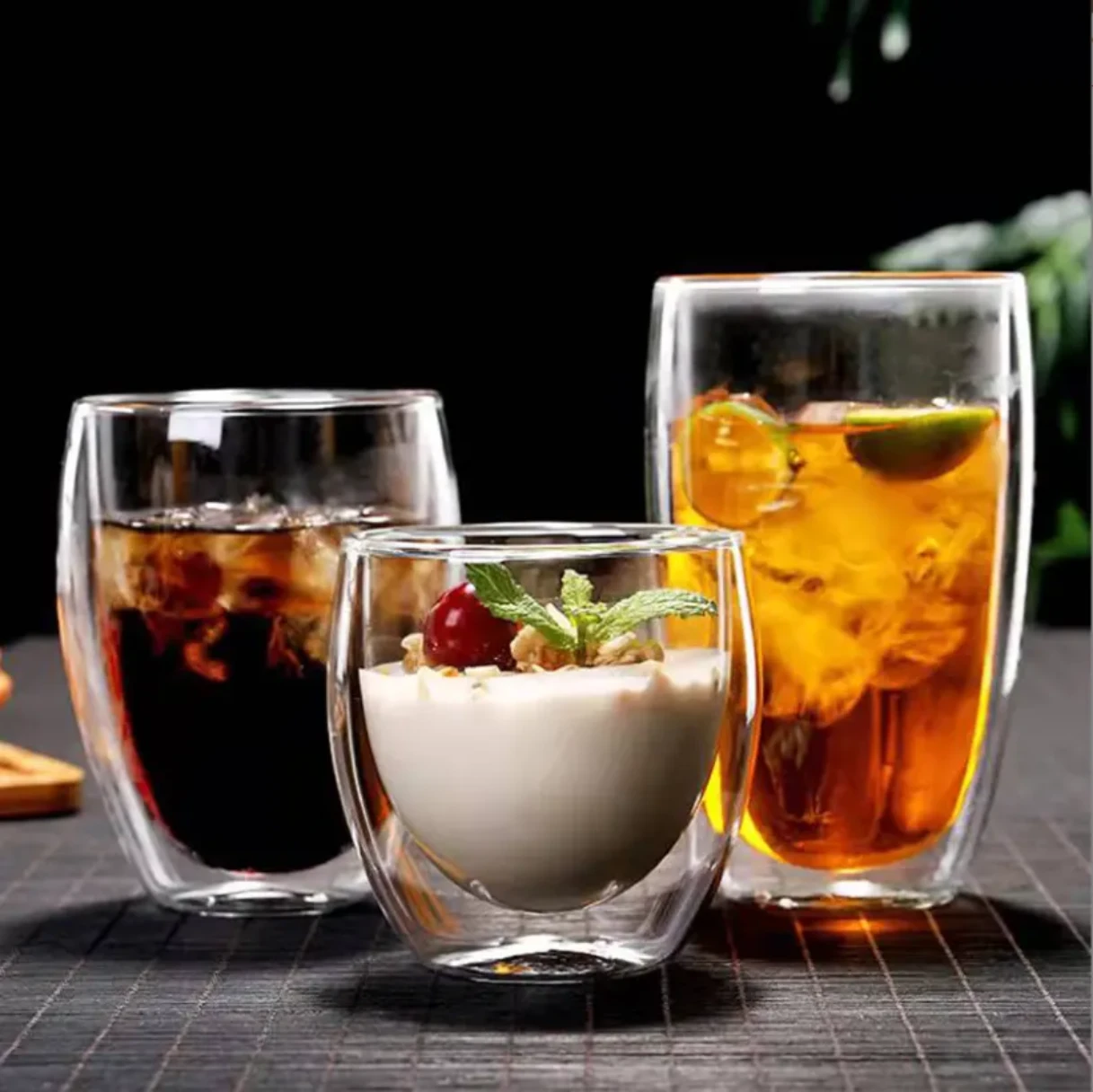
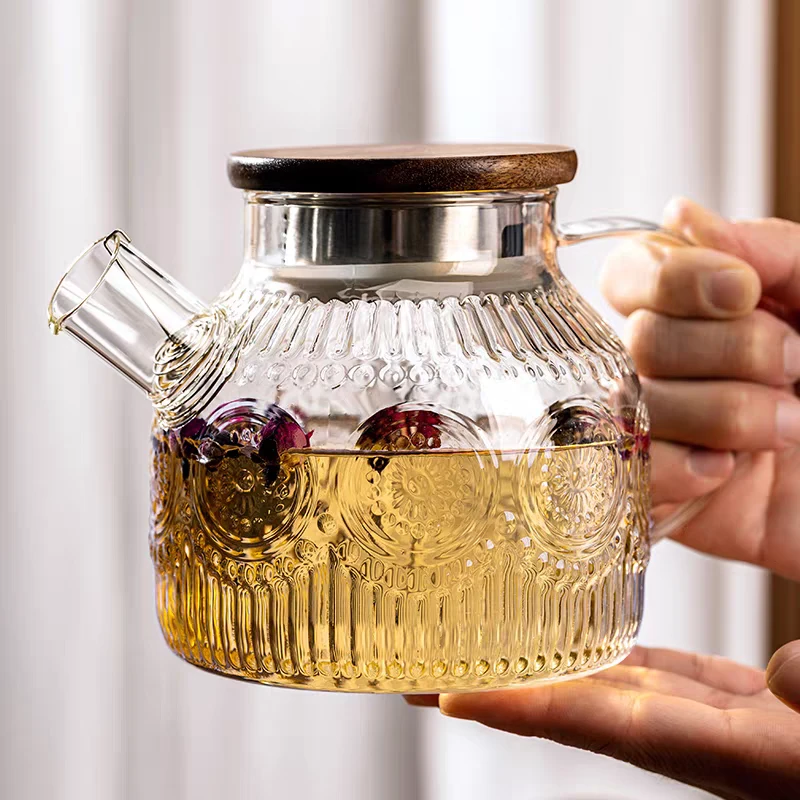
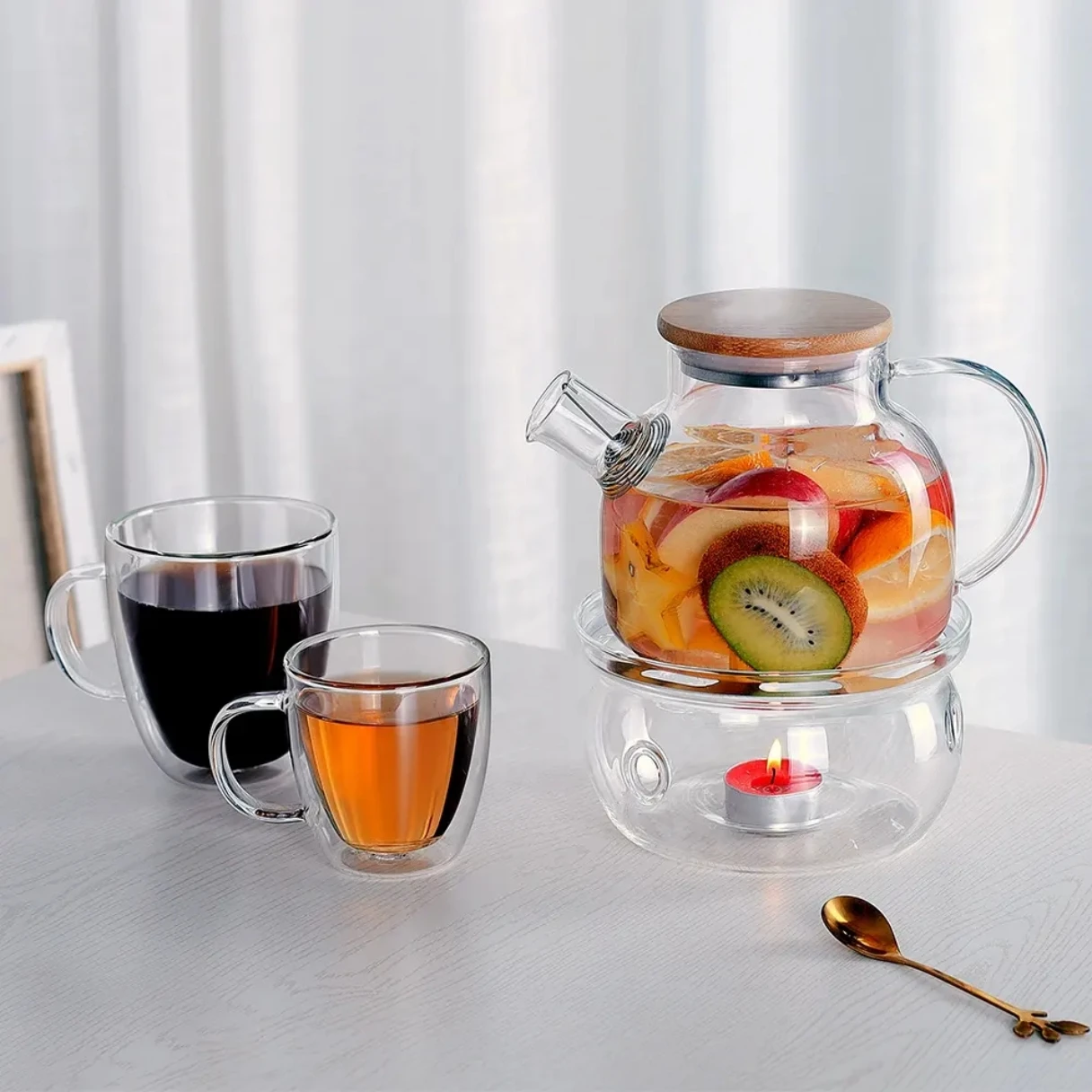
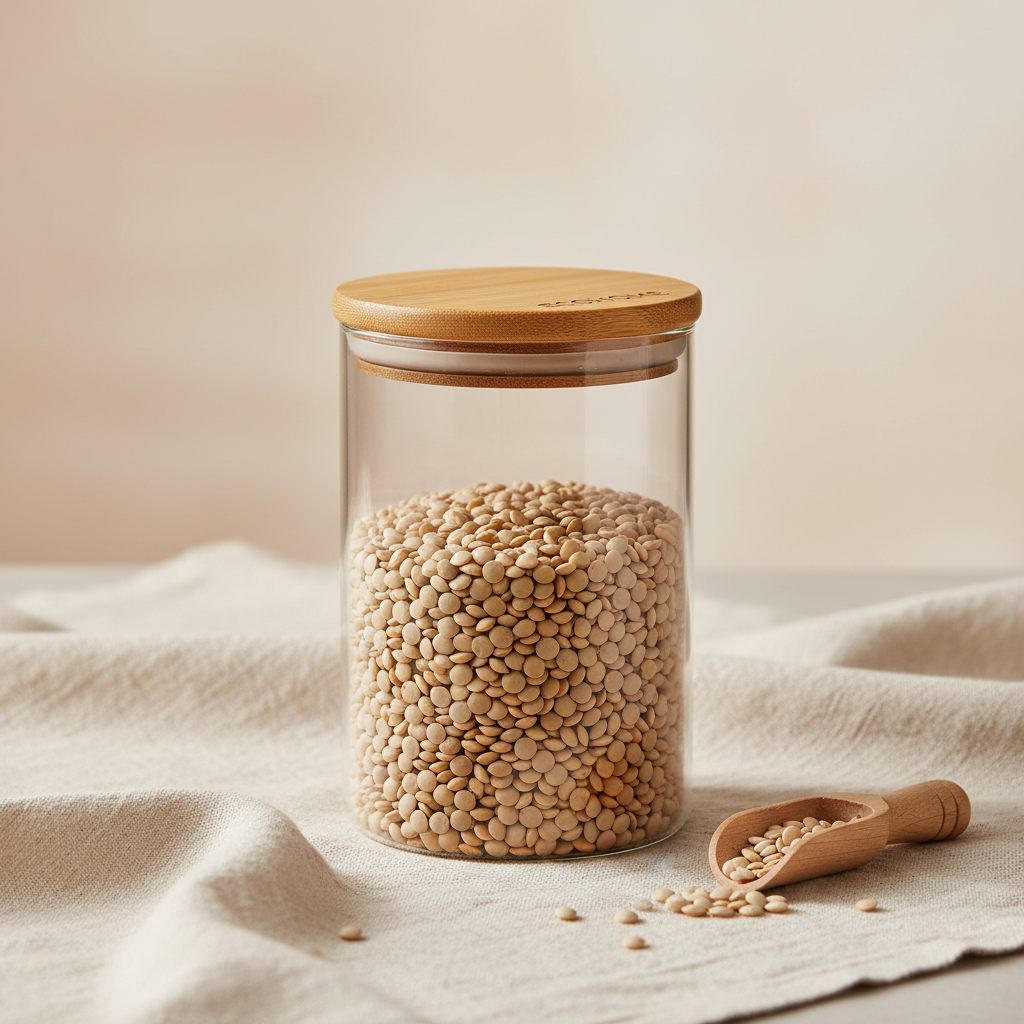
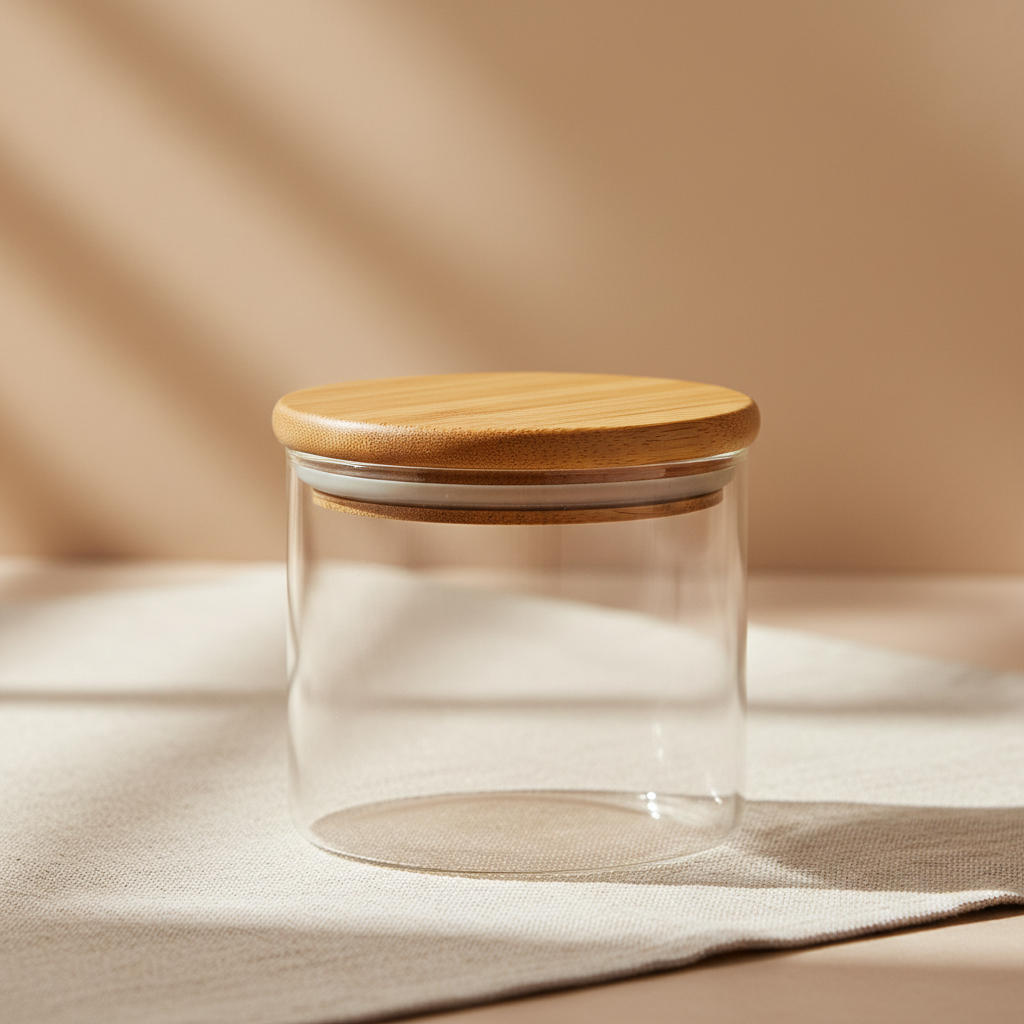
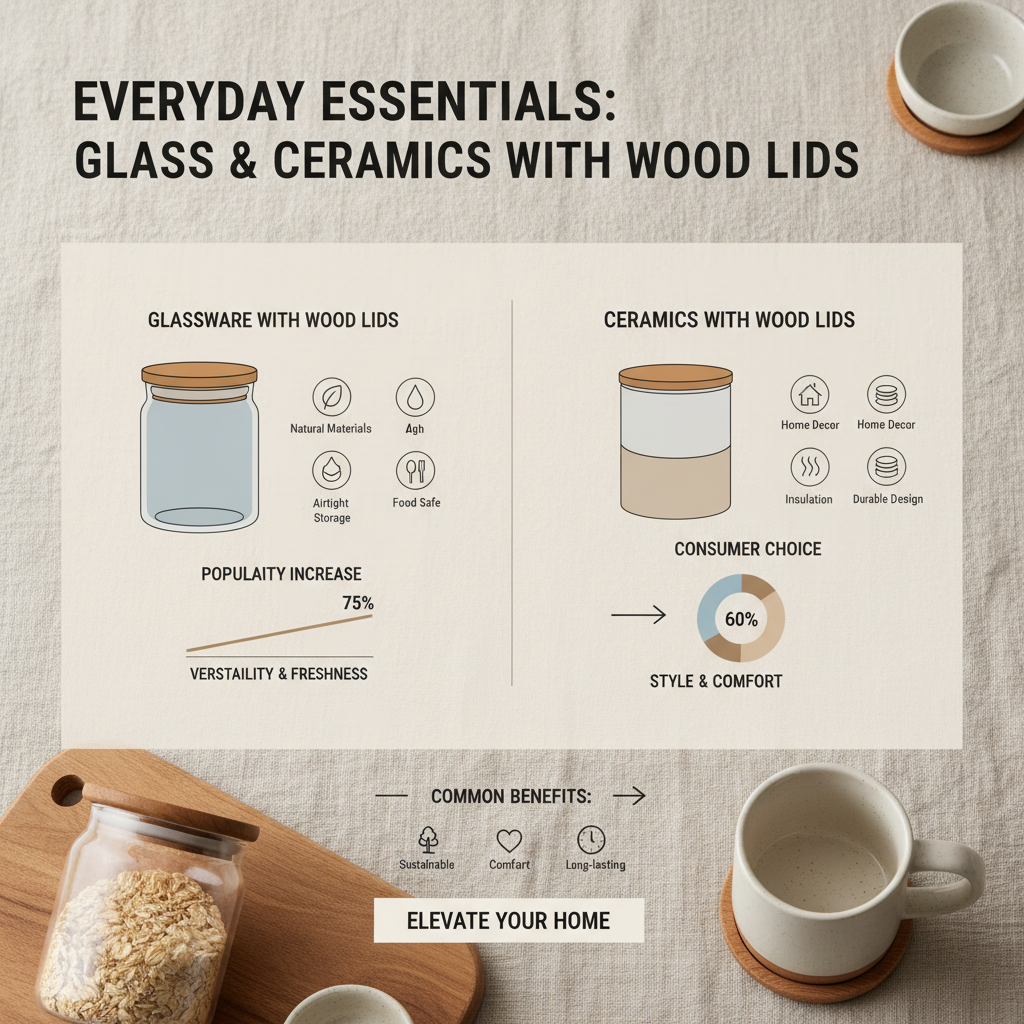
Glass wood lids offer a compelling combination of advantages. The glass portion allows for easy visibility of contents, eliminating the need to constantly open containers to check what's inside. This saves time and helps maintain freshness. The wooden component adds a natural, stylish aesthetic to your kitchen. Crucially, they are a sustainable and eco-friendly alternative to plastic, reducing your environmental footprint. Unlike plastic, glass doesn't leach harmful chemicals into your food, promoting healthier storage practices. The wood provides a secure, comfortable grip and a visually appealing contrast to the glass. Explore our range of premium glass lids at Maixin Kitchenware.
Key Highlights: Offers easy visibility, a sustainable material choice, non-toxic food storage, a stylish aesthetic, and a comfortable grip.
The Material Composition: Glass and Wood Harmony
The quality of both the glass and wood used in these lids is critical. Typically, tempered glass is employed for its durability and resistance to thermal shock. This means it can withstand temperature changes without cracking. The wood used is often bamboo or acacia, chosen for their sustainability, natural beauty, and resistance to moisture. The combination creates a lid that is both robust and visually appealing. Look for lids with a tight, secure seal between the glass and wood to prevent leaks and maintain freshness. Properly sourced and finished wood is also essential to prevent warping or cracking over time.
Material Benefits:
• Tempered glass for durability and thermal resistance
• Sustainable wood choices like bamboo or acacia
• Secure seal for freshness
• Prevents warping or cracking with proper finishing
Glass Wood Lids: A Comparative Look
Compared to traditional plastic lids, glass wood lids offer significant advantages. They eliminate the risk of chemical leaching, are more environmentally friendly, and provide a more aesthetically pleasing look. While plastic lids are often cheaper, they are less durable and contribute to plastic waste. Stainless steel lids are another alternative, but they lack the visual appeal and visibility offered by glass. Here’s a quick comparison:
Applications and Care for Your Glass Wood Lids
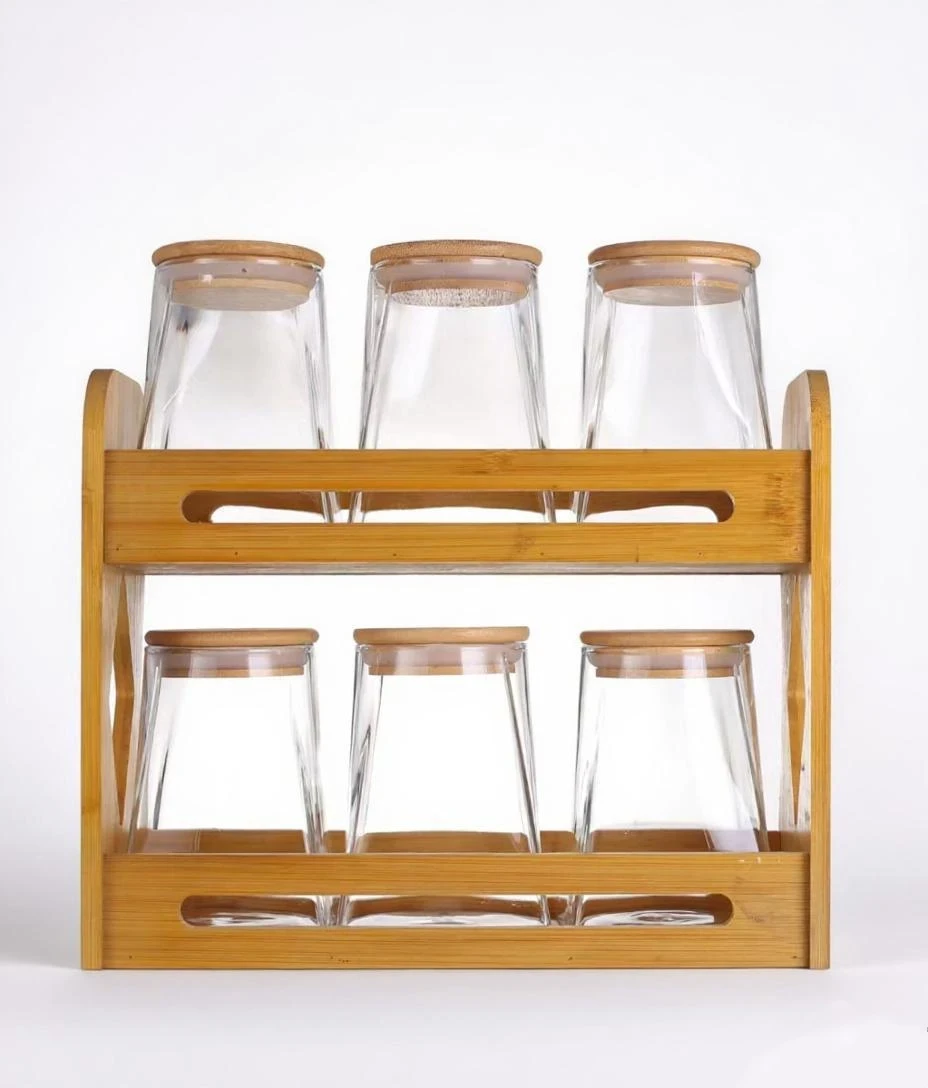
These versatile lids are perfect for a wide range of containers – jars, bowls, pots, and pans. They're ideal for storing leftovers, preserving homemade goods, and keeping ingredients fresh. To ensure longevity, hand washing is recommended, as harsh detergents and high temperatures can damage the wood. Avoid prolonged soaking. Regularly oiling the wooden portion with food-grade mineral oil will help maintain its beauty and prevent drying. Discover a wide selection of compatible containers and accessories at Maixin Kitchenware.
Choosing the Right Glass Wood Lid: Key Considerations
When selecting glass wood lids, consider the diameter of your containers to ensure a proper fit. Pay attention to the quality of the wood and glass, opting for durable, sustainably sourced materials. Check for a secure seal to prevent leaks. Also, consider the style and finish – choose lids that complement your kitchen décor. Finally, look for brands that offer a warranty or guarantee, demonstrating their confidence in their product.
Conclusion: A Sustainable and Stylish Kitchen Choice
Glass wood lids represent a sophisticated and responsible upgrade to your kitchen storage solutions. By combining the practicality of glass with the natural beauty of wood, they offer a unique blend of functionality and style. Choosing these lids is not just an investment in your kitchen; it's a commitment to sustainability and a healthier lifestyle. Explore the range at Maixin Kitchenware today!
Frequently Asked Questions (FAQs)
Are glass wood lids dishwasher safe?
While the glass portion of the lid may be dishwasher safe, it's generally recommended to hand wash glass wood lids to preserve the integrity of the wood. Prolonged exposure to high temperatures and harsh detergents can cause the wood to dry out, crack, or warp. Hand washing ensures a longer lifespan and maintains the beautiful finish of the wood. Always check the manufacturer’s instructions for specific care guidelines.
How do I oil the wood portion of the lid?
To maintain the wood's beauty and prevent drying, apply a small amount of food-grade mineral oil with a soft cloth. Rub the oil into the wood in a circular motion, allowing it to absorb for a few minutes. Wipe away any excess oil. Repeat this process every few months, or as needed, to keep the wood hydrated and looking its best. Avoid using vegetable oils, as they can become rancid.
What types of containers are glass wood lids compatible with?
Glass wood lids are designed to fit a variety of containers, including mason jars, glass storage jars, bowls, and some pots and pans. It’s important to measure the diameter of your container before purchasing lids to ensure a proper fit. At Maixin Kitchenware, we offer lids in various sizes to accommodate a wide range of containers.
Are glass wood lids a sustainable choice?
Yes, glass wood lids are a significantly more sustainable option compared to plastic lids. Glass is recyclable, and the wood is often sourced from sustainably managed forests. Choosing these lids reduces your reliance on single-use plastics and contributes to a more eco-friendly lifestyle. Furthermore, their durability means they will last longer than plastic alternatives, reducing the need for frequent replacements.