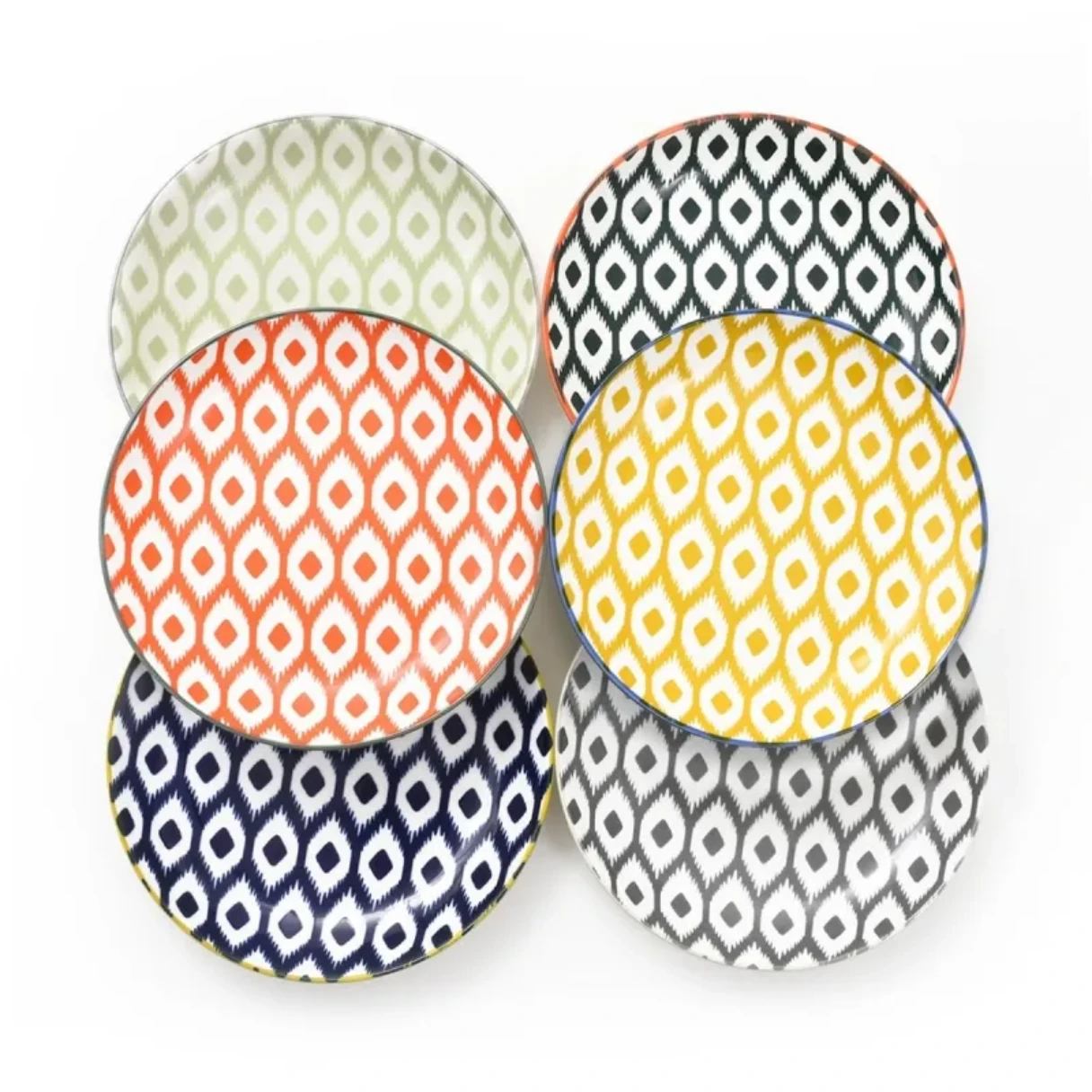
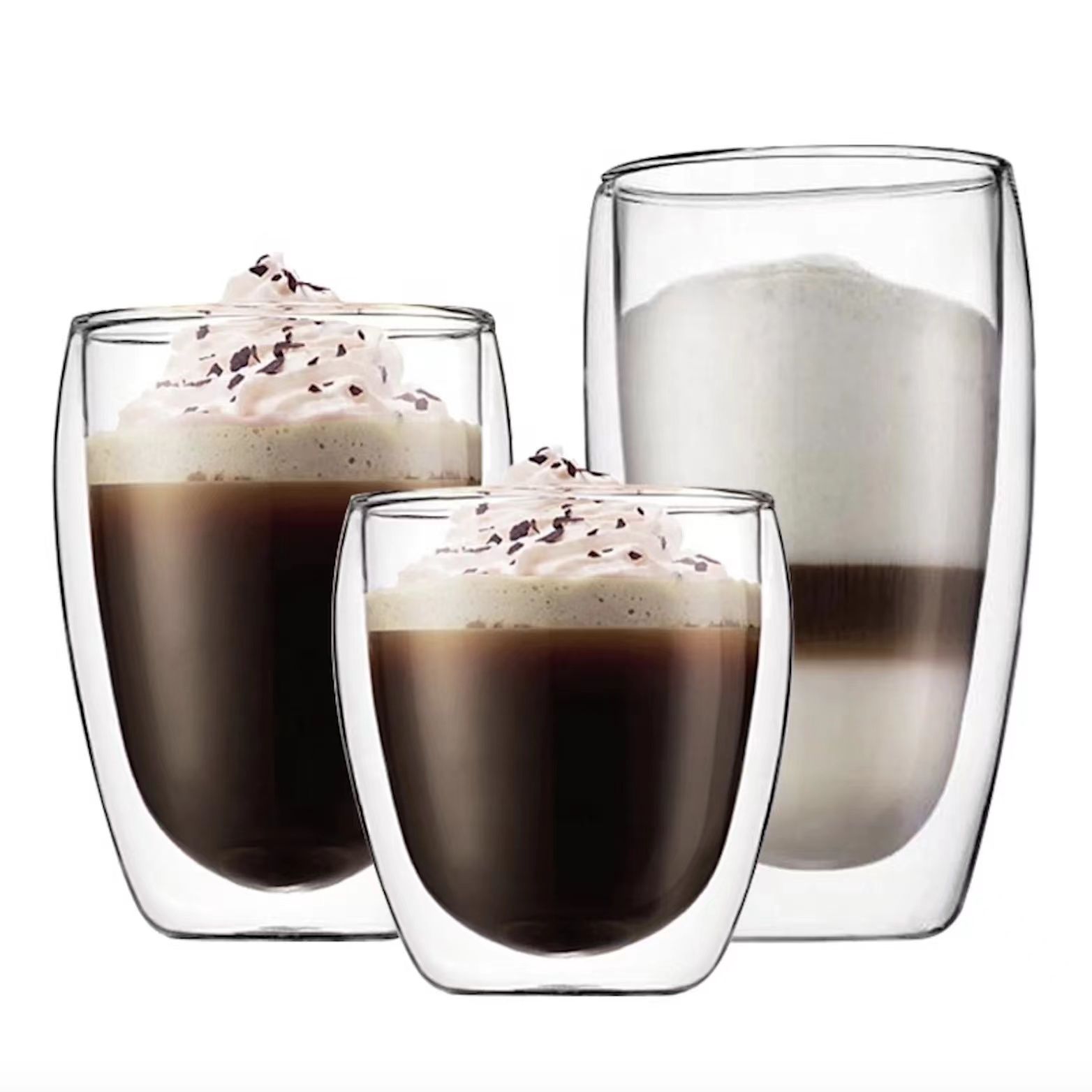
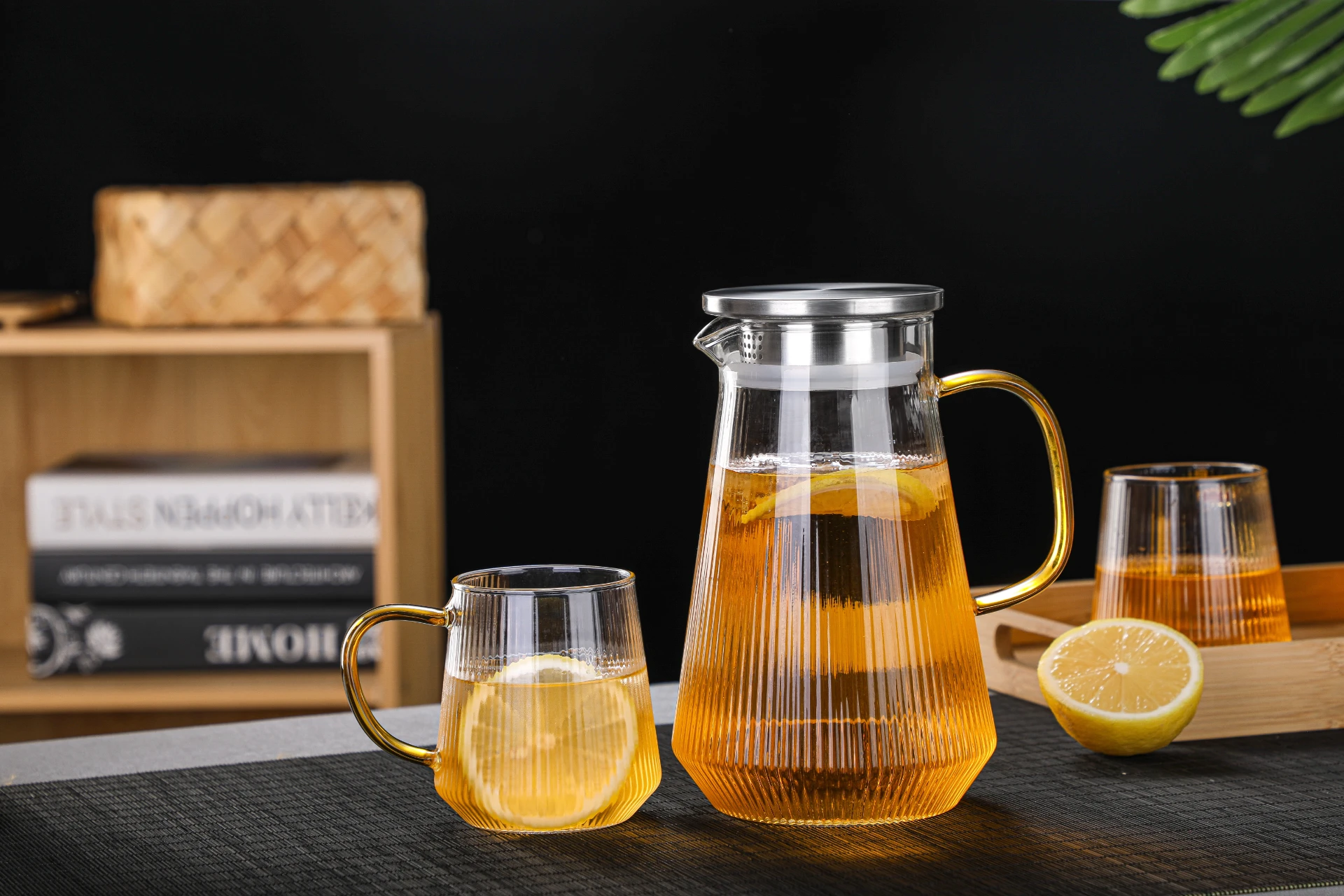
Premium ceramic dining ware Solutions for Tajikistan Market

Integrating industrial-grade metal manufacturing precision with high-end ceramic artistry to redefine tabletop excellence across Asia.

Premium ceramic dining ware Solutions for Tajikistan Market

Providing the Tajikistan hospitality and residential sectors with durable, aesthetically superior dining solutions that blend traditional Central Asian motifs with modern manufacturing standards.

Current Landscape of Dining Ware in Tajikistan

Analyzing the intersection of cultural heritage and modern industrial demand.

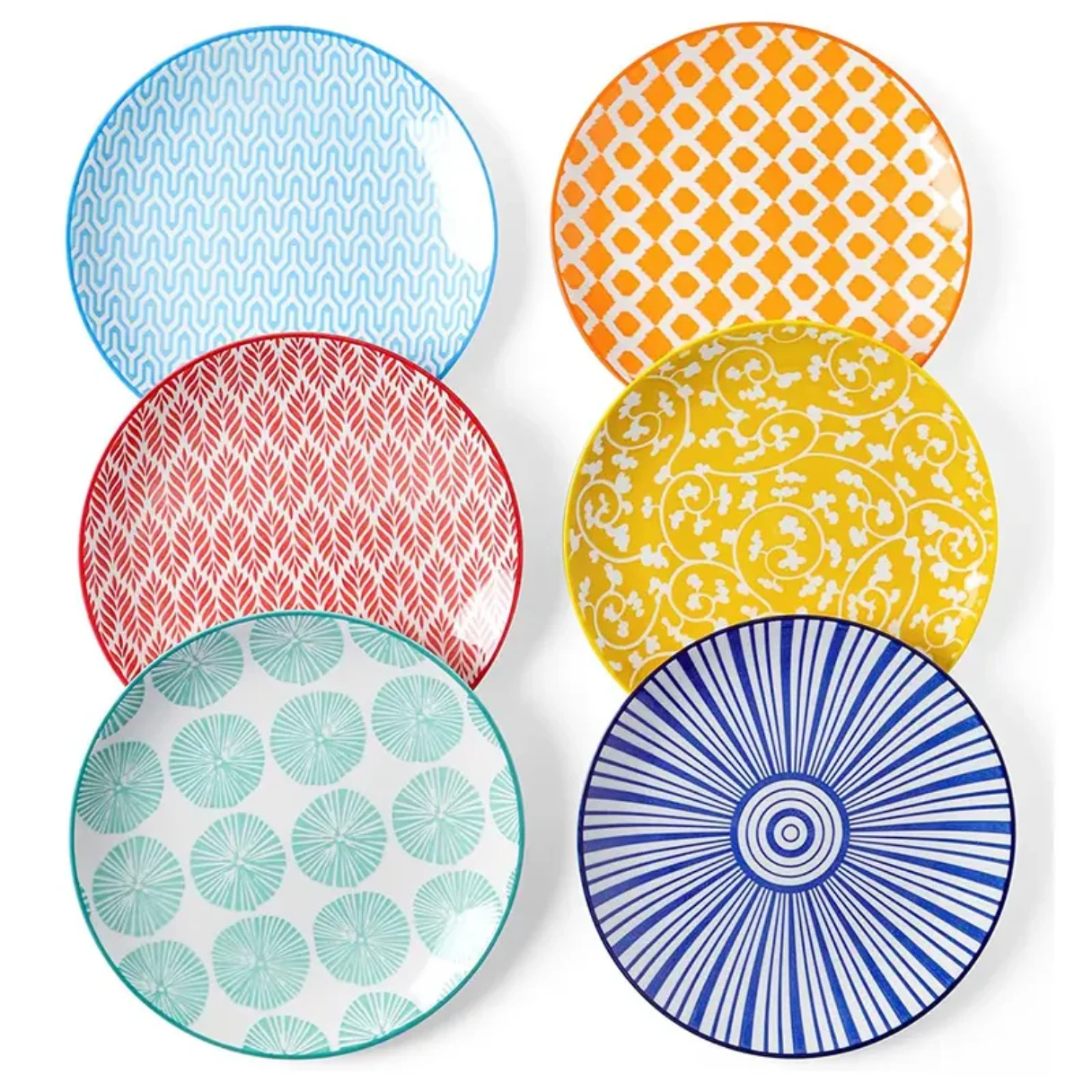
In Tajikistan, the demand for high-quality pottery plate set options is driven by a deep-rooted culture of hospitality. However, the local market often struggles with a gap between fragile handmade artisanal pieces and low-quality mass imports, creating a significant opportunity for industrial-grade metal-standard ceramic production.

The rugged geography and climate of Tajikistan require materials that can withstand extreme temperature fluctuations. Current market trends show a shift toward ceramic plates that offer high thermal shock resistance, moving away from traditional porous earthenware which is prone to cracking in the continental climate.

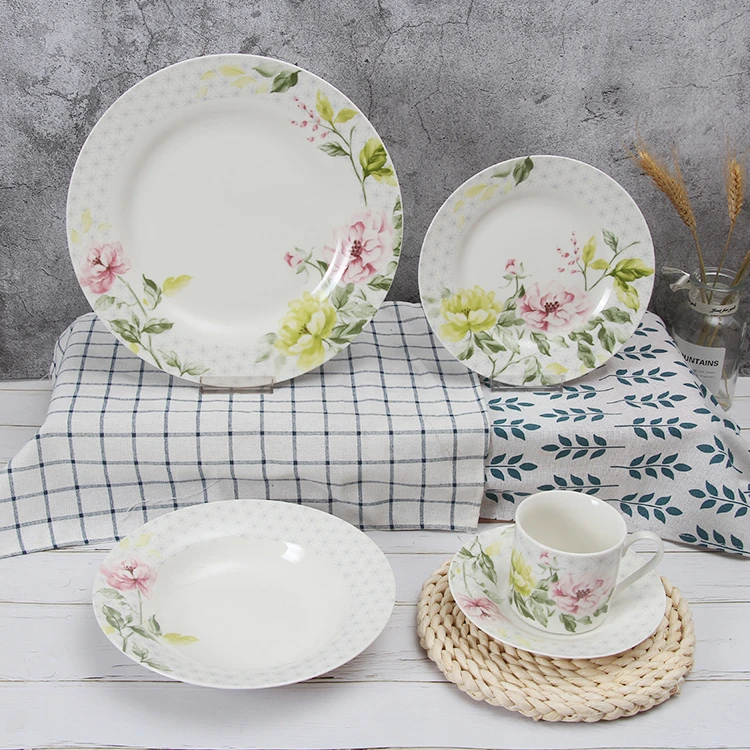
Economic growth in Dushanbe and Khujand has led to a surge in the HORECA sector. This evolution has shifted the procurement focus toward a professional pottery crockery set that balances the elegance required for high-end tourism with the durability needed for high-turnover commercial use.
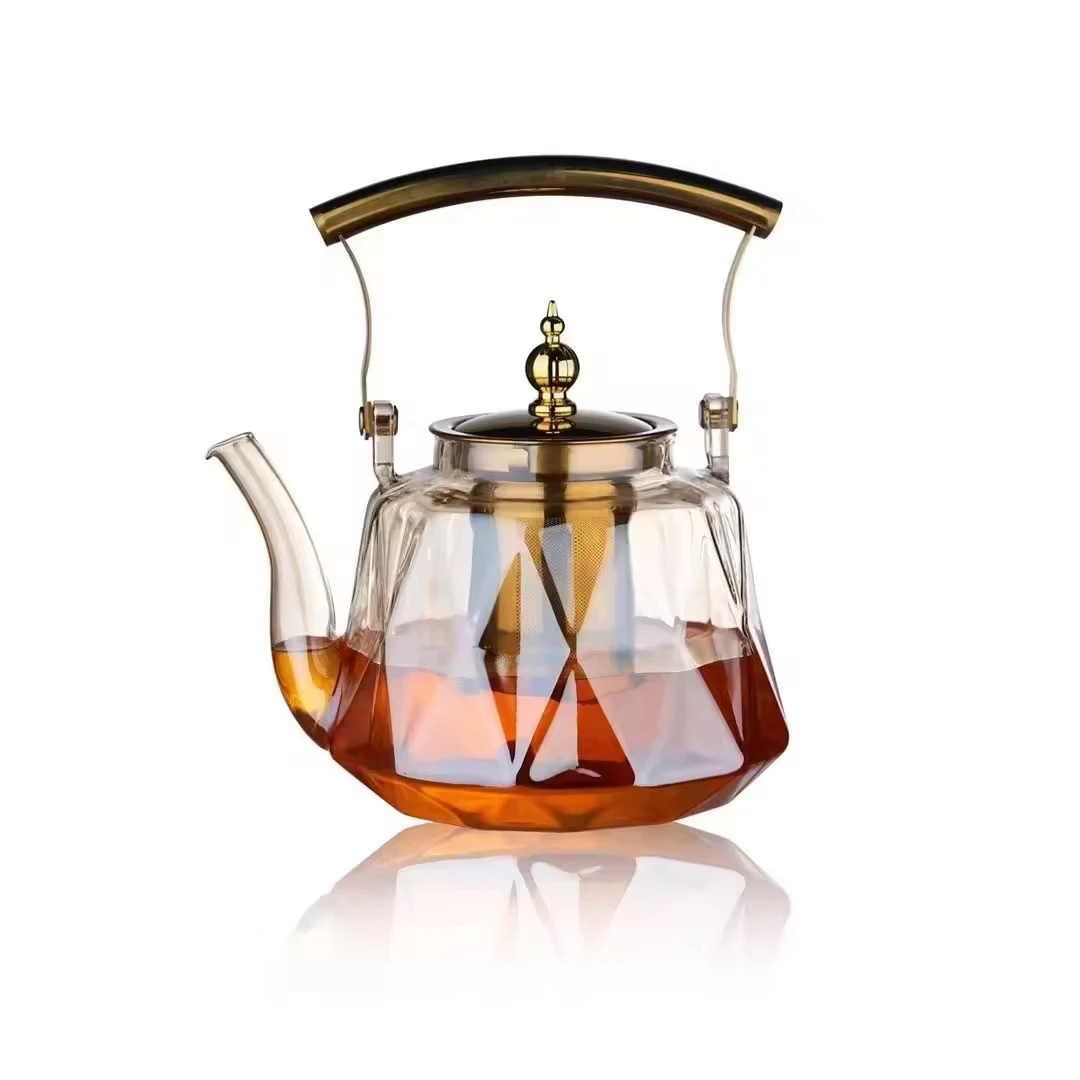

Evolution and Technical Trajectory

From traditional kiln firing to precision-engineered ceramic manufacturing.

Market Development History

Prior to 2010, the Tajikistan market was dominated by traditional hand-thrown pottery. While culturally significant, these lacked the standardization required for large-scale commercial use in the emerging hotel industry.

Between 2010 and 2020, there was a transition toward imported stoneware. During this period, the introduction of automated pressing techniques allowed for more consistent ceramic dishes, reducing breakage rates by 30% compared to ancestral methods.

From 2020 to the present, the industry has integrated high-fire glaze technology. By adopting temperature controls similar to those used in metal smelting, manufacturers have achieved non-porous surfaces that are hygienic and scratch-resistant.

Future Development Trends

Eco-Friendly Sourcing

Integration of recycled mineral waste into the ceramic body to meet global sustainability standards, reducing the environmental footprint of extraction in the region.

Smart Glazing Technology

Implementation of nano-coatings on ceramic dining ware to prevent food adhesion and improve cleaning efficiency in commercial kitchens.

Digital Customization

The use of 3D printing and CNC mold design to create bespoke patterns that blend Tajik national identity with contemporary minimalist design.

Industry Trends and Future Outlook

Strategic projections for the next 3-5 years based on Google search data and market analysis.

Material Optimization
Transitioning toward Alumina-reinforced ceramics to increase impact resistance in high-traffic Tajikistan restaurants.
Supply Chain Digitization
Implementing B2B digital ordering platforms to streamline the delivery of bulk pottery sets across remote provinces.
Hybrid Material Design
Combining metal-edge reinforcements with ceramic bodies to eliminate chipping, a major pain point for local users.
Cultural Aesthetic Integration
Increasing demand for "Neo-Tajik" styles—combining industrial precision with ethnic patterns.

Industry Outlook

The trajectory for the Tajikistan market indicates a strong pivot toward professional-grade durability. As the tourism sector expands, the search volume for commercial pottery crockery set is expected to grow by 15% annually.

Future success will depend on the ability to provide logistics-resistant packaging and products that can survive the transit across the Pamir mountains while maintaining a luxury finish.

Local Application Scenarios in Tajikistan

Tailored dining solutions for specific regional needs.

1. High-End Dushanbe Hotel Chains

Implementation of heavy-duty ceramic plates for luxury hotel buffets, focusing on chip-resistance and a polished white finish to highlight international cuisine.

2. Traditional Plov Guest Houses

Utilizing wide-format ceramic dishes designed for traditional Plov service, combining heat retention with authentic cultural aesthetics.

3. Mountain Resort Cafeterias

Deployment of lightweight yet durable pottery plate set options that are easy to transport and resistant to the extreme cold of the Fann Mountains.

4. Modern Residential Apartments

Providing compact, stackable pottery crockery set for the growing middle-class urban population in Khujand seeking modern minimalist lifestyles.

5. State Banquet Halls

Crafting bespoke, gold-rimmed ceramic dining ware for official government receptions, emphasizing prestige and flawless industrial execution.

Brand Story

Global Development Journey of Shijiazhuang Maixin Trade Co., Ltd.

Industrial Foundations

Starting as a precision metalware manufacturer, we mastered the art of durability and material science, setting the stage for our expansion into ceramics.

The Ceramic Pivot

We applied metal-industry quality control (QC) standards to ceramic production, solving the common industry pain point of high fragility and inconsistent glazing.

Central Asian Expansion

Identifying the gap in the Tajikistan market, we customized our product lines to meet the specific cultural and climatic needs of the region.

Technological Synergy

Integrating advanced kiln automation and nano-glazing, we bridged the gap between artisanal beauty and industrial reliability.

Global Vision

Today, we stand as a leader in high-performance dining ware, committed to bringing "Indestructible Elegance" to every table in Tajikistan and beyond.

Tajikistan Market FAQ

Expert answers to common industry and procurement questions.

How does a professional pottery plate set handle extreme temperature changes in Tajikistan?

Our sets are fired at temperatures exceeding 1200°C, creating a dense vitrified structure that minimizes thermal expansion, making them ideal for Tajikistan's continental climate.

Are your ceramic plates suitable for high-volume commercial use in hotels?

Yes, we use an alumina-reinforced body that significantly increases impact resistance, reducing breakage in high-turnover HORECA environments.

Can we customize a pottery crockery set with traditional Tajik patterns?

Absolutely. We offer digital decal printing and CNC mold customization to integrate specific cultural motifs while maintaining industrial quality.

What is the lead time for shipping ceramic dining ware to Dushanbe?

Depending on the order volume, we typically offer optimized logistics routes through Central Asian corridors to ensure safe and timely delivery.

Are your ceramic dishes safe for industrial dishwasher use?

Our non-porous glazing ensures that the dishes are resistant to chemical detergents and high-pressure washing cycles common in professional kitchens.

How do you ensure the ceramic dining ware doesn't chip during mountain transit?

We employ custom-engineered shock-absorbent packaging and reinforced crates specifically designed for the challenging road infrastructure in Tajikistan.

Get a Professional Consultation

Ready to upgrade your dining infrastructure in Tajikistan? Our experts are here to provide industrial-grade solutions tailored to your business.

Contact Us Now

If you are interested in our products, you can choose to leave your information here, and we will be in touch with you shortly.


rIcon45
mailto
phone
goTop