Top Quality Glass Jars with Wooden Lids Manufacturers Guide
When sourcing high-quality kitchen storage, procurement managers often face a trade-off between industrial durability and aesthetic appeal. The integration of high borosilicate glass with sustainable wooden closures offers a professional solution that meets both hygiene standards and modern consumer preferences for organic design. These vessels are not merely containers; they are engineered tools for preservation and presentation in high-traffic culinary environments.
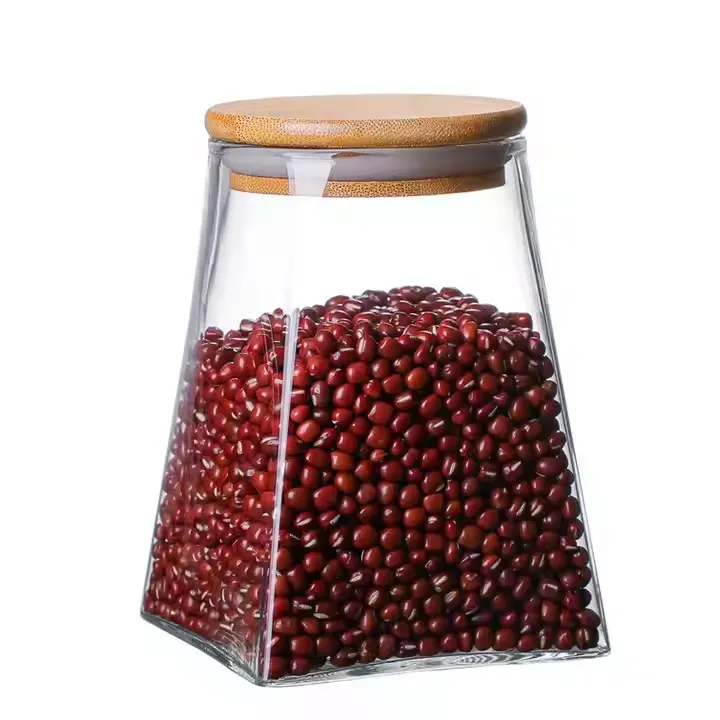
For businesses seeking reliable glass jars with wooden lids manufacturers, the focus must shift toward material purity and seal integrity. Utilizing borosilicate glass ensures a higher resistance to thermal shock compared to standard soda-lime glass, making these products suitable for a wider range of temperature fluctuations. Combined with precision-milled wooden lids, these jars provide a sophisticated storage solution that enhances the perceived value of the stored contents, whether for retail packaging or commercial kitchen organization.

Engineering the Perfect Seal: Borosilicate Glass and Sustainable Timber Integration
The technical superiority of borosilicate glass lies in its low coefficient of thermal expansion. Unlike traditional glassware, it can withstand sudden temperature changes without cracking, which is critical for food storage that may move from refrigeration to room temperature. This material is non-porous and chemically inert, ensuring that no odors or flavors are absorbed, maintaining the purity of the contents over extended periods.
The synergy between glass and wood is achieved through precision engineering. The wooden lids are typically crafted from sustainable hardwoods or bamboo, treated to resist moisture while maintaining a natural grain. A critical component is the internal sealing mechanism—usually a food-grade silicone ring—that creates an airtight environment. This prevents oxidation and keeps dry goods, spices, or specialty ingredients fresh, reducing waste in commercial settings.
- Thermal Stability: Borosilicate glass prevents shattering during rapid temperature shifts.
- Chemical Neutrality: Ensures zero leaching and maintains flavor profiles.
- Eco-Friendly Closure: Natural wood reduces reliance on single-use plastics.
- Airtight Integrity: Silicone gaskets provide a leak-proof, vacuum-like seal.

Commercial Applications and Versatility in Modern Foodservice
In the hospitality and retail sectors, presentation is as important as preservation. These glass jars serve as a bridge between functionality and interior design. In upscale cafes and bistros, they are used for "open-concept" pantry displays, allowing customers to see the quality of the raw ingredients while keeping them protected from contaminants. The clean lines of the glass combined with the warmth of the wood fit perfectly into minimalist, rustic, or industrial decor themes.
Beyond simple storage, these jars are utilized in luxury gifting and boutique retail. Small-batch producers of organic teas, salts, and gourmet spices use these vessels to communicate a "premium" brand identity. Because borosilicate glass is clearer and more durable than standard glass, it showcases the colors and textures of the product more vividly, driving impulse purchases through visual appeal.
From a logistical standpoint, the stackability and uniform design of these jars streamline inventory management. They allow for efficient space utilization in pantries and display shelves, while the transparent bodies enable instant visual audits of stock levels, reducing the time spent on manual inventory checks.
Supplier Evaluation: What to Prioritize in Glass and Wood Procurement
Selecting the right partner among glass jars with wooden lids manufacturers requires a deep dive into quality control processes. The most common point of failure in these products is the lid fit. If the wooden lid is not precision-cut to the glass rim, the seal will fail, leading to spoilage. Buyers should request samples to test the "vacuum feel" and check for any warping in the wood after repeated opening and closing.
Another critical evaluation point is the sourcing of the wood. Ensure the supplier uses FSC-certified or sustainably harvested timber to align with corporate social responsibility (CSR) goals. Additionally, the finish on the wood should be food-safe and non-toxic, avoiding harsh varnishes that could off-gas into the food products stored inside.
Finally, consider the export capability and packaging of the manufacturer. Since glassware is fragile, the quality of the protective packaging—such as molded pulp or reinforced cardboard—is paramount to minimizing breakage during transit. A supplier with experience in North American and European markets typically has a more refined logistics framework to handle bulk shipments of fragile items.
Technical Selection Matrix for Glass Storage Solutions
| Material Feature | Borosilicate Glass | Soda-Lime Glass | Plastic (PET/PP) | Impact on Freshness |
|---|---|---|---|---|
| Thermal Resistance | Excellent | Moderate | Low | High (Prevents Cracking) |
| Chemical Inertness | Highest | High | Variable | Highest (Pure Flavor) |
| Aesthetic Value | Premium | Standard | Basic | High (Retail Appeal) |
| Sustainability | High | High | Low | High (Reusable) |
| Seal Reliability | High (Wood/Silicone) | High (Metal/Plastic) | Moderate | Critical for Shelf-life |
Operational Integration: Optimizing Storage Efficiency
Integrating high-end storage into a commercial workflow requires a balance of accessibility and protection. For high-turnover ingredients, utilizing different sizes of borosilicate jars allows for a "First-In, First-Out" (FIFO) system. The transparency of the glass ensures that staff can identify ingredient levels at a glance, preventing mid-service shortages.
Maintenance of these products is straightforward but essential. To preserve the integrity of the wooden lids, it is recommended to wipe them with a damp cloth rather than soaking them in water. The glass bodies, being borosilicate, can be sanitized at higher temperatures than standard glass, making them compatible with most industrial dishwasher cycles, which is a significant advantage for hygiene compliance in professional kitchens.
Future Trends in Sustainable Kitchenware Procurement
The industry is moving toward a "zero-plastic" mandate. We are seeing a surge in demand for hybrid materials where the primary body is glass and the accents are renewable organic materials. The shift toward borosilicate glass is driven by the need for products that last longer, reducing the frequency of replacement and lowering the overall environmental footprint of the business.
Moreover, customization is becoming a key differentiator. B2B buyers are increasingly requesting laser-engraved logos on wooden lids to create co-branded retail experiences. This transformation of a simple storage jar into a brand ambassador tool allows companies to increase their market presence while providing a functional product to the end consumer.
Frequently Asked Questions on Professional Glass Storage
What makes borosilicate glass better than regular glass for jars?
Borosilicate glass contains boron trioxide, which significantly lowers the coefficient of thermal expansion. This means it is far more resistant to thermal shock, allowing it to withstand rapid temperature changes without cracking, and it generally offers superior clarity and chemical resistance.
Are wooden lids suitable for wet or humid environments?
Yes, provided they are treated with food-safe sealants and paired with a silicone gasket. While wood is naturally porous, a high-quality finish prevents moisture absorption, and the gasket ensures that the humidity inside the jar does not affect the lid's structure.
How do I ensure a supplier provides a truly airtight seal?
Check for the presence of a food-grade silicone ring inside the lid. During sample testing, perform a "water test" or a "weight test" to see if the lid creates a vacuum. A slight resistance when opening the jar usually indicates a successful airtight seal.
Can these jars be used for vacuum sealing or canning?
While borosilicate glass is heat-resistant, wooden lids are not suitable for high-pressure canning or boiling water baths. For vacuum sealing, these jars are excellent for storage, but for the actual canning process, specialized metal lids are typically required.
What is the best way to clean wooden lids without damaging them?
Wooden lids should never be placed in a dishwasher. The best method is to wipe them with a damp cloth and a mild detergent, then dry them immediately. Periodically applying a food-grade mineral oil can help maintain the wood's luster and prevent cracking.
What are the typical lead times for bulk custom orders of these jars?
Lead times vary depending on the level of customization (such as laser engraving or custom sizes) and the current production capacity of the manufacturer. Typically, bulk orders range from 30 to 60 days, including quality inspection and packaging.
Technical References and Industry Standards
- ISO Standards for Glassware and Food Contact Materials
- Forest Stewardship Council (FSC) Sustainability Guidelines
- FDA Regulations on Food-Grade Silicone and Glass
- Glass Packaging Institute (GPI) Material Specifications
Selecting the right storage solution is a balance of material science and commercial intent. By prioritizing borosilicate glass and sustainable wood, businesses can ensure product longevity, food safety, and a premium brand image.
Explore Related Kitchenware Innovations